알레르기성 결막염
Allergic conjunctivitis
For more information, please visit drleepediatrics.com. And then Search 정보를 더 찾으려면 drleepediatrics.com 방문한 후 Search 에서 찾아보세요.
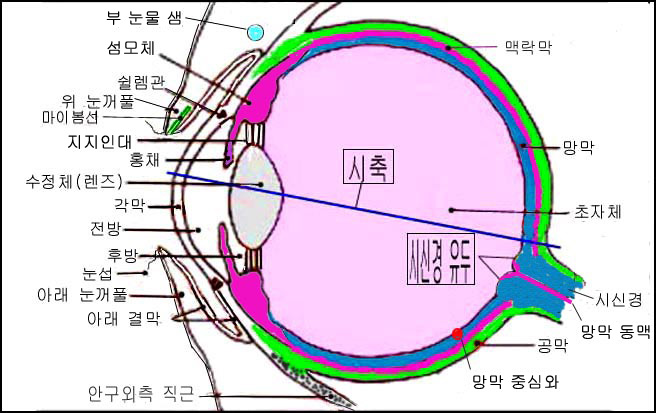
결막이 화분, 집 먼지, 집 먼지 진드기, 곰팡이, 고양이 등 애완동물의 비듬이나 털 등에 접촉될 때 항원 항체 이상반응이 결막에 생길 수 있다. 결막에 생긴 항원 항체 이상반응으로 생긴 결막염을 알레르기성 결막염이라고 한다.
먹은 음식물로 음식물 알레르기가 생길 수 있고 그로 인해 음식물 알레르기성 결막염이 생길 수 있고, 치료용 약물로 약물 알레르기가 생길 수 있고 그로 인해 약물 알레르기성 결막염이 생길 수 있다.
■ 알레르기성 결막염의 증상 징후
눈이 가렵고, 눈꺼풀이 붓고, 눈이 붉고, 눈물이 나오고, 결막 부종 등 다양한 증상 징후가 눈에 생긴다.
기관지 천식, 아토피성 피부염, 알레르기성 비염 등 알레르기성 질환의 병력이 있는 아이들이나 아토피 체질을 가진 아이들에게 알레르기성 결막염이 더 잘 생길 수 있다.
집 먼지, 집 먼지 진드기, 꽃가루, 고양이 등 애완동물의 털이나 비듬 등이 결막에 접촉돼서 알레르기성 결막염이 생기면 눈이 가렵고, 눈물이 나고, 결막이 붉어진다.
햇빛이나 전등 불빛에 눈이 부실 수 있다.
대부분의 알레르기성 결막염은 양쪽 눈에 동시 생긴다.
옻나무에 의해서 얼굴에 접촉성 피부염이 생기면서 옻나무 알레르기성 결막염이 동시 생길 수 있다.
약물에 알레르기가 생길 때 약물 알레르기성 결막염, 식품(음식물) 알레르기가 생길 때는 음식물 알레르기성 결막염이 생길 수 있다.
■ 알레르기성 결막염의 진단
병력, 증상, 징후와 진찰소견 등을 종합하여 이 병을 진단한다.
환아 자신이나 부모 형제자매들 중 누군가가 기관지 천식, 알레르기성 비염, 아토피성 피부염, 알레르기성 결막염 등을 과거에 앓았거나 현재 앓고 있는 병력이 있을 때는 그 집안 다른 형제자매에게 알레르기성 결막염이 생길 가능성이 더 많다.
이런 가족 병력은 알레르기성 결막염을 진단하는데 많은 도움이 된다.
알레르기성 결막염이 있을 때 바이러스, 박테리아, 또는 클라미디아 등의 병원체 감염으로 생긴 감염성 결막염이 아니라고 진단한 후 역으로 알레르기성 결막염이 있다고 추정 진단할 수 있다.
또 알레르기성 결막염을 적절한 약물로 치료해서 치료 결과를 보고 알레르기성 결막염을 추정 진단 할 수 있다.
꽃이 만발하는 봄에만 생기는 알레르기성 결막염을 춘계 결막염이라고 한다.
■ 알레르기성 결막염의 치료
알레르기성 결막염을 일으킨 항원에 더 이상 접촉되지 앓게 피 하든지 또는 항원을 제거한다.
눈이 빨갛고 가려울 때는 바이진 안점적약제, 바소칸 안점적약제, Zaditor 안약, Patanol(Olopatadine hydrichloride)안점적약제, 또는 아쿨라 안점적약제 등으로 치료 할 수 있다.
클로트리메톤이나 타비스트 등의 경구용 1세대 항히스타민제로 치료할 수 있다.
대부분의 알레르기성 결막염은 자주 재발될 수 있고, 만성 알레르기성 결막염이 될 수 있다.
앞에 열거한 약물로 잘 치료되지 않으면, 스테로이드제 안약으로 치료한다.
그러나 알레르기성 결막염을 스테로이드제 안약으로 장기간 치료하면 백내장 등 여러 종류의 부작용이 생길 수 있다.
스테로이드제 안약 치료는 의사의 처방에 따라 한다
알레르성 비염을 치료할 때 쓰는 Zyrtec, Clarinex, Claritine 등 경구용 2세대 항히스타민제로 치료할 수 있다.
■ 참조
아이들에게 흔히 볼 수 있는 결막염에 관한 항들 참조
위 포스팅 내용의 대부분은 www.drleepediatrics.com에 있는 내용중 일부입니다. 사진과 그림 영상은 편의상 뺐습니다
전문적인 면도 있지만 소아청소년 자녀 양육에 많은 도움이 되리라고 믿습니다. 그러나 여기에 있는 정보는 여러분의 의사로부터 얻는 정보 진단 치료를 대신할 수 없습니다.
www.drleepediatrics.com-부모도 반의사가 되어야 한다
Copyright ⓒ 2012 John Sangwon Lee, MD, FAAP
Allergic Conjunctivitis
For more information, please visit drleepediatrics.com and then search there.
anatomyeye719s copy.jpg
When the conjunctiva comes into contact with pollen, house dust, dust mites, mold, or pet dander or hair (such as from cats), an antigen-antibody reaction can occur in the conjunctiva. Conjunctivitis caused by this antigen-antibody reaction in the conjunctiva is called allergic conjunctivitis.
Food allergies can occur from ingested food, leading to food allergy-induced conjunctivitis, and drug allergies can occur from medications, leading to drug allergy-induced conjunctivitis.
■ Symptoms and Signs of Allergic Conjunctivitis
Various symptoms and signs appear in the eyes, including itching, swollen eyelids, redness, tearing, and conjunctival edema.
Children with a history of allergic diseases such as bronchial asthma, atopic dermatitis, and allergic rhinitis, or children with an atopic constitution, are more likely to develop allergic conjunctivitis.
When allergic conjunctivitis is caused by contact with house dust, dust mites, pollen, or pet hair or dander, the eyes become itchy, watery, and red.
The eyes may be sensitive to sunlight or artificial light.
Most cases of allergic conjunctivitis occur in both eyes simultaneously.
Contact dermatitis on the face caused by poison ivy can simultaneously lead to poison ivy-induced allergic conjunctivitis. When an allergy to medication occurs, drug-induced allergic conjunctivitis can develop; when a food allergy occurs, food-induced allergic conjunctivitis can develop.
■ Diagnosis of Allergic Conjunctivitis
This condition is diagnosed based on a combination of medical history, symptoms, signs, and physical examination findings.
If the child themselves or any of their parents or siblings have a history of or currently suffer from bronchial asthma, allergic rhinitis, atopic dermatitis, or allergic conjunctivitis, there is a higher likelihood of allergic conjunctivitis developing in other siblings in the family.
This family history is very helpful in diagnosing allergic conjunctivitis.
If infectious conjunctivitis caused by pathogens such as viruses, bacteria, or Chlamydia is ruled out, then allergic conjunctivitis can be presumptively diagnosed.
Furthermore, allergic conjunctivitis can be presumptively diagnosed by treating it with appropriate medication and observing the treatment results.
Allergic conjunctivitis that occurs only in the spring when flowers are in full bloom is called vernal conjunctivitis.
■ Treatment of Allergic Conjunctivitis
Avoid further contact with the antigen that caused the allergic conjunctivitis, or remove the antigen.
When the eyes are red and itchy, treatment can be done with eye drops such as Visine, Vasocon, Zaditor, Patanol (Olopatadine hydrochloride), or Acular.
Treatment can also be done with oral first-generation antihistamines such as Chlor-Trimeton or Tavist. Most cases of allergic conjunctivitis can recur frequently and can become chronic.
If the condition is not well-treated with the medications listed above, treatment with steroid eye drops may be necessary.
However, long-term treatment of allergic conjunctivitis with steroid eye drops can cause various side effects, including cataracts.
Steroid eye drop treatment should only be done under a doctor’s prescription.
Oral second-generation antihistamines such as Zyrtec, Clarinex, and Claritin, which are used to treat allergic rhinitis, can also be used.
■ References
www.zaditor.com
www.patanol.com
See also articles on conjunctivitis commonly found in children.
Most of the content in this post is from www.drleepediatrics.com. Photos and illustrations have been omitted for convenience.
While some of the information is technical, we believe it will be very helpful in raising your children. However, the information here cannot replace the information, diagnosis, and treatment you receive from your doctor.
www.drleepediatrics.com – Parents should also be half-doctors
Copyright ⓒ 2012 John Sangwon Lee, MD, FAAP
drleepediatrics.com 1/6/2026