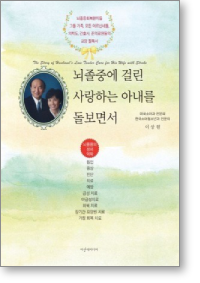
뇌졸중에 걸인 사랑하는 아내를 돌보면서 Husband to take care of his beloved wife with stroke
뇌졸중에 걸인 사랑하는 아내를 돌보면서
Husband to take care of his beloved wife with a stroke
서문 preface
53년동안 동거동락 결혼생활을 한 남편으로서 일반의로서, 소아과전문의사로서 나는 하루 24시간 1주 7일간 매일 하루도 빼놓지 않고 뇌졸중에 걸려 고생 고생하는 아내를 일년동안 간병 했다.
또 뇌졸중에 걸린후 아내가 회복기 재활 치료 및 가정 간호를를 받는 동안 나는 가족 간병인으로서 애정, 동정, 사랑, 인내, 수용, 인술로 아내를 돌보면서 뇌졸중에 관해 많이 배웠다.
뇌졸중 생존자 아내의 가족 간병인으로서 나는 아내의 담당 의사, 각종 회복 재활 치료 팀 , 각종 의학 교과서, 일반인용 뇌졸중 교육용 팸플릿, 그외 다른 뇌졸중 참고 자료에서 얻은 뇌졸중에 관한 지식을 총망라 해 ‘뇌졸중에 걸린 사랑하는 아내를 돌보면서’ 를 미국 한인 교포들, 조국 과 전세계 각처 8천만 한인들에게 기쁘게 내 놓는다.
뇌졸중 생존자들와과 그들의 가족들, 특히 뇌졸중 생존자의 가족 간병인들은 물론 남여노소 한인들 누구든지 이 책을 적어도꼭 한번 읽고 필요에 따라 이용하기 바라는 것이 저자의 소원이며 간곡한 부탁이다.
2018년 1월 사랑하는 아내가 갑자가 뇌졸중에 걸려 급성기 응급치료 병원 하트병원에 입원한 후 1년 동안지금까지 우리 집 침실 침대에 누워 고생고생하면서 투병하다 소천했다.
지금 생각해 보니, 아내가 뇌졸중에 걸리기 전 나는 미국 소아과 전문의 이었지만 뇌졸중이란 이 병에 관해 너무도 아는 것이 없었다고 여기서 솔직하게 자백한다.
아내가 작년 2018년 11월 달 집밖에서 둘째 아들 (내과의사)와 같이 겨울 눈을 치다가 갑자기 집안으로 들어 오더니 왼쪽 팔과 다리가 이상하다고 나보고 보아달라고 우둔한 말투로 요구했다. 바로 두루 살펴보니 한쪽 얼굴이 삐틀어지고 말을 우둔하게하고 왼쪽 팔 다리에 마비증상이 있는 것을 즉시 발견했다.
눈이 캄캄하고 놀랐고 슬펐다.
응급 119 전화를 했다. 3분도 안걸려 아내를 응급차에 태우고 우리 식구들은 내 차를 타고 미국 내 최고로 큰 병원들 중 하나인 뇌졸중 급성기 응급 치료를 할 수 있는 하트포드 병원으로 갔다.
오른쪽 대뇌 전엽 출혈과 지주막하에 뇌 출혈이 생겼고 그로 인해 아내가 출혈성 뇌졸중에 걸렸다는 진단을 그 응급실에서 불과 한 시간 내 확진 받고 급성기 응급 집중 치료 입원실에 입원했다.
그후 거기서 약 1주일 동안 뇌졸중 급성기 응급 진단 치료를 받고 아 급성기 뇌졸중 치료를 받을 수 있는 다음 치료 단계 시설 게이로드 병원에 입원헸다.
그 병원에서 그해 6주간 물리치료 전문의, 물리 치료사, 작업 치료사, 언어 치료사, 임상 사회 사업가, 영적 치료 목사, 간호사 등 뇌졸중 회복재활치료팀으로부터 적극적으로 치료받았다. 그리고 나서 다음단계 시설, 다른 숙련 간호 요양원에 입원치료 받든지 아니면 우리 집에서 뇌졸중 회복 재활 연속치료를 받으라고 권장 받았다. 아급성기 회복 재활 치료를 받은후 집으로 퇴원했다
우리 집으로 퇴원한 후 하트포드 헬스 넷워크 치료센터에서 소개해주는 내과 의사와 거기서 집으로 보낸 물리 치료사, 작업 치료사, 언어 치료사, 간호사, 임상 사회사업가, 가사도우미, 오락 치료사 등 뇌졸중 회복재활 치료팀으로 부터 연속치료를 계속 받았다.
나는 한국의사면허증, 미국커네티컷 주 의사 면허증을 현재도 소지한 소아과전문의이지만 뇌졸중에 걸린 아내가 집에서 의료 회복 재활 치료를 어떻게 받아야 가장 좋은지 그렇지 않으면 특수 간호 요양원 등에서 몇달 몇년 동안 또는 이 세상을 떠날 때까지 의료 회복 재활 치료 및 간호를 받아야 가장 좋은지 결정하기가 어려웠다.
이럴 때 어떤 방법이 아내의 건강과 안녕,행복에 가장 좋은지 아들 딸들의 의견과 나의 의견에 차이가 있었다.
‘남편인 내가 집에서 너의 어머니를 간병을 하겠다’고 주장했지만 자녀들은 아버지는 늙었고 뇌졸중에 걸인 엄마를 어떻게 잘 간병할 수 있느냐고 물으면서 ‘아버지도 도움이 필요하니 숙련 간호 요양원이나 그외 다른 적절한 요양원으로 엄마를 보내 거기서 회복 재활 치료를 계속 받도록 하자’고 주장했다.
미국, 부라질, 한국 등 각 나라 각 지역에서 사는 가족 친지들에게 이런 사정을 알리고 그들의 의견을 물었더니 그들은 이구동성으로 “ 심신이 고달프시겠습니다네요.
고생을 많이 하시겠네습니다요” 라 는 말을 연속 하고나서 “ 당장 요양원으
로 보내십시요”라는 것이 그들의 한결 같은 권고였다.
정말로 무정도 하구나(?)…………
그러나 사랑하는 내 아내가 ‘ 내 집에서 “동형 아빠”!. ‘나는 내집에서 당신 한테서 치료를 받겠다고 애원하면서 살려 달라’고 하면서 나 한테 매달리면서 눈물을 흘렸다.
당신 말이 맞다.
나는 내 아내를 집에서 회복 재활 치료를 계속 하기로 결심했다.
그후 나는 남편 역활, 가정부 역활, 식모 역 활, 가사도우미 역활, 청소부 역활, 뇌졸중 회복 재활치료의 주치의사 역활 등 A to Z까지 아내의 최상 안녕을 위한 모든 일을 다 했다. 이제 간병인 노릇을 한지가 거의 1 년이 다 되었다.
그러는 중 불행이도 뇌졸증이 여러번 재발해 건강 상태가 점점 더 나빠져 오줌 똥도 가리지 못하고 하루 종일 침상에 누워만 있게 되었다.
나는 품위를 갗춘 내 사랑하는 아내를 동정, 애정, 사랑으로 간호하면서 First, Do No Harm 인술을 제공하려고 노력했다.
그러면서 아내 담당 의사와 뇌졸중 의료 제공자들의 권고 , 충고, 지시, 격려를 받으면서 뇌졸중 회복 재활 치료교육을 직접 간접으로 꾸준히 받았다. 집에서 간호 희복 재활 치료를 하는 간병인 노릇을 열심히했다.
가족들 사이에 이견이 있었지만 나의 최종 결정에 따라 나 자신이 아내 뇌졸중에 걸인 아내를 집에서 직접 치료하면서 뇌졸중에 관한 의료 문헌, 뇌졸중 생존자와 그들의 가족들과 일반인 교육용 팸플릿 등으로 뇌졸중에 관한 공부를 계속 했다.
미국에서 매년 거의 백만 명이 뇌졸중에 처음 걸려 앓는다는 것도 배웠고 어리신 5명 중 한명 꼴로 뇌졸중에 걸인다는 것도 알았고 매 40초마다 한명이 뇌졸중에 걸린다는 것도 배웠다.
그렇다면 한국 인구가 총 5천만명이라면 연간 약 21000만명이 뇌졸중에 걸일 수 있을 것이란 것도 추정해 봤다.
뇌졸중 생존자에 따라 다르겠지만 미국에서는 한명의 뇌졸중 생존자의 급성기 와 회복기 치료, 회복기 재활 치료, 지지 치료를 해주는데 1주 총 12,000불 정도 든다는 것도 알았다.
어르신 5명 중 1명이 일생동안 열심이 일하고 인생 황혼 길에 접어들면서 보다 더 행복하게 사셔야 하는 어르신들 5명 중 1명이 이 이런 위중한 병에 걸려 고생하다가 이 세상을 떠난다는 것도 배웠다.
나는 의사로서 뇌졸중에 걸인 아내를 진료하고 치료도하고 회복 재활 치료 및 간병을 하면서 미국 내 한인 교포들과 나의 고국 한국과 전 세계 8 천만 한인들에게 뇌졸중이란 병에 관해 자세히 알려주고 싶었다고 또 한번 더 언급한다.
뇌졸중 발생을 예방하는 방법도 알려주고 도와주고 싶은 생각 한 없이 났다. .
이미 말씀드렸지만, 물론 여러분은 이미 많이 알고 게시있겠지만 적어도 한번은 이책을 꼭 읽어보시기 바라면서람니다. 그리고 다른 분들에게도 이 책을 권하시기를 바란다.
아내 뇌졸중을 간병하면서 뇌졸중 인턴쉽도 하고 뇌졸중 레지던트훈련도 받고 이제는 나는 뇌졸중 전문의가 된 기분이 났다.
평소에 이 병이 발생 위험성 인자들이 무엇인지 알아 그 뇌졸중 위험성 인자를 변화시키고 조절해서 이 병에 걸리지 않도록 예방하라고 큰 소리쳐 알려주고 싶었다.
이 병에 걸리면 1초라도 시간을 소비하지 말고 응급 진단 치료를 병원에서 받으라고 가르치고 그후 회복 재활치료를 계속 받는 방법도 가르쳐 주고 싶다.
뇌졸중 생존자 가족들과 가족 간병인들은 몸과 마음을 다 바쳐 가족 뇌졸중 생존자들을 잘 간병을 할 수 있게 교육시키는데도 도움을 주고싶다..
이 병에 관해 잘 모르면 이제 이책을 통해 많이 배우고 더 필요하면 다른 뇌졸중 참고서를 통해 더 배우고 그리고 일선 의료진들이 주는 뇌졸중 교육을 통해 뇌졸중에 관해 더 많이 공부하기 바란다.
이제 이 병을 치료하는 일선 의사료인들, 준 의료인들, 사회, 국가, 가족 , 친지들이 이 뇌졸중 환자를 돌보고 회복 재활치료를 하는 팀의 멤버가 되어 뇌졸중에 걸린 어르신들에게 사랑으로 보답해야 한다는 것도 이해할 수 있을 것이다.
이 책을 쓰고 있는 저자 뿐만 아니라 누구든지 뇌졸중에 걸일 가능성이 25%이라고 알고 나면 누구든지 뇌졸중이란 병을 보통으로 넘길 과제가 아니다.
남 일이 아니라 내 일이리고 생각 해서 이 병의 원인 진단 치료 간호 재활 치료 그리고 이 병에 걸리기 쉬운 위험성 인자들이 무엇인지 알아 이 병에 걸리지 않게 미리 예방해야 한다.
이미 언급했지만, 뇌졸중 급성기 응급치료, 추적 연속 치료, 회복재활치료, 의료치료를 하는데 나는 의사로서 남편으로서 식모로서 가정부로서 간병인으로서 사랑, 동정, 완전, 존경, 책임으로 뇌졸중에 걸인 아내를 간호 치료하고 있으면서 다른 간병인들에게도 알게 모르게 내가 겪은 간병인 역활경험을 해야 한다는 것도 전부 알리고 싶다 .
책을 쓰다보면 부족한 점도 많고 반복된 내용도 많을 것이다. 시대와 사는 나라나 지역에 따라 이 책에서 주는 권장에 따라 뇌졸중 생존자를 돌보기가 어려운 점도 많을 것이다.
뇌졸중 생존자 뿐민 아니라 내 자신에게 뇌졸중 발병 위험성 인자가 있으면 잘 조절하고 뇌졸중에 걸리지 않게 예방하고 뇌졸중에 걸였을 때는 어떻게 대처 할 것인가를 미리 준비하는 데 도움되기 바란다.
가족 간병인은 소대변 치기, 식사를 준비하고, 먹이기 등을 하는 것 이외 가족 간병인은 담담의사, 간호사, 임상 사회 사업가, 물리 치료사, 작업 치료사, 언어 치료사 등으로 구성된 회복 재활 치료팀의 도움을 받을 때도 이책은 좋은 참조 문헌이 되기를 바란다.
뇌졸중으로 생긴 장애를 회복 재활시키기 위해 회복 재활 치료 한다는 것은 뇌졸중 생존자들은 물론이고 그의 자족들 특히 가족 간병인들의 정신 육체 건강 등의 회생이 따를 수 있고 때로는 우울증과 탈진 상테에 빠질 수 있고 그럴 때 어떻게 대처 하는 방법도 것도 알리고 싶다.
이런 면에서는 뇌졸중 생존자 본인들은 물론이고 그의 가족들, 담담 의사들, 뇌졸중 재활 의료 제공자들, 사회, 국가는 뇌졸중 회복 재활 치료팀의 멤버이다. 더군다나 뇌졸중에 걸인 후 생존자들에게 육체, 인지. 언어, 정신, 심리, 감정, 영적, 사회적 문제와 장애를 다 해결하는데 뇌졸중 생존자들과 그의 가족들의 힘으로만 절대로 다 해 낼 수 없다.
이런 회복 재활치료를 이상적으로 해결 해주는데는 그 가족들과 가족 간병인들을 도와주는 다른 사람들이 꼭 있어야 한다. 그렇지 않으면 거기다가 가족 간병이들과 가족들은 불안, 분노, 슬픔, 우울증에 빠지기도 한다.
가족들이나 뇌졸중 생존환자들 자신이 이 병에 대해서 많이 알아야 하지만 이병에 관해 실질적으로 공부할 수 있는 일반 인용 뇌졸중 정보 자료 책은 그렇게 흔치 않다.
미국에서는 뇌졸중에 관한 영어 팸플릿은 무료로 뇌졸중 생존자와 가족 교육용으로 여기 저기서 재공하지만 뇌졸중 생존자들이나 가족들 또는 일반인들이 한 손에 들고 뇌졸중에 관해 공부 할만한 최근 한글 참고서를 찾기가 어렵다.
저는 50여년간 의사 생활을 하는 동안 거의 10여연년 동안은 성인 환자들을 진료한 경험이 있는 일반의사로 수 십년 동안 소아처청소년과 전문의로서 진료하면서 겪은 경험, 거의 일년 동안 나의 사랑하는 아내의 뇌졸중을 간호하면 뇌졸중 간병인으로 경험한 산 지식을 모아 이 세상에 이책을 내 놓는다는 것도 또 한번 알려주고 싶다.
불행하게도 미국사회의 의료체계와 조국 한국이나 세계 각나라 각처의 것은 많이 다르다. 이 책에서 권하는 대로 다 따라 갈 수는 없지만 뇌졸줄 생존자의 안녕과 행복, 회복 재활 치료의 궁극적 목적과 가족 간병인들의 영웅적 인술을 베프는데는 미국에서든 한국에서든지 다른 나라에도 큰 차이가 없다고 생각한다.
조국은 이제 세계 최고 문화 경제 발전국 대열에 속하고 조국 한인들이 이 첵의 정보를 이용해 뇌졸중 환자를 돌보는 데 많은 도움이 되리라고 생각 한다.
아내의 뇌졸중을 근 일년간 간병하면서 얻은 동정, 사랑, 완전, 존경, 책임감을 가지고 뇌졸중을 치료 간호하고 있다.
이제는 앉지도 못하고 서지도 못하고 하루종일 누워만 있는 아내와 같은 침실에서 같은 이블을 덮고 아내의 옆에서 동숙 하면서 …….
내 아내의 78세 생일을 축하하면서 이 책을 내 아내 이춘자 약사에게 받친다 .
감사합니다.
2019년 4월 12일
미국 소아과 전문의, 한국 소아청소년과 전문의
이상원 올림
National Stroke Association‘s mission is to reduce the incidence and impact of stroke by developing compelling education and programs focused on prevention, treatment, rehabilitation and support for all impacted by stroke.
Source: National Stroke Association
Preface
As a husband who shared 53 years of married life with my wife, and as a general practitioner and pediatrician, I cared for my wife, who suffered from a stroke, 24 hours a day, 7 days a week, every single day for a year.
During my wife’s recovery and rehabilitation after the stroke, and while providing home care, I learned a great deal about strokes while caring for her with affection, compassion, love, patience, acceptance, and medical expertise.
As a family caregiver for my stroke survivor wife, I have compiled all the knowledge I gained about strokes from my wife’s doctors, various rehabilitation teams, medical textbooks, stroke education pamphlets for the general public, and other stroke reference materials, and I am pleased to present “Caring for My Beloved Wife After a Stroke” to Korean Americans in the United States, and to the 80 million Koreans in my homeland and around the world.
It is my sincere wish and earnest request that stroke survivors and their families, especially family caregivers of stroke survivors, as well as all Koreans of all ages, read this book at least once and use it as needed.
In January 2018, my beloved wife suddenly suffered a stroke and was admitted to Heart Hospital for acute emergency treatment. She then suffered and struggled with the illness in our bedroom for a year until she passed away.
Looking back now, I honestly confess that before my wife’s stroke, although I was a pediatrician in the United States, I knew very little about this disease called stroke. In November 2018, my wife was shoveling snow outside with our second son (a physician) when she suddenly came inside and, speaking in a slurred manner, asked me to look at her left arm and leg because something felt wrong. I immediately examined her and noticed that one side of her face was drooping, her speech was slurred, and she had paralysis in her left arm and leg.
I was shocked, frightened, and saddened.
I called 911. In less than three minutes, my wife was in an ambulance, and our family followed in our car to Hartford Hospital, one of the largest hospitals in the United States, which specializes in acute stroke treatment.
Within an hour of arriving at the emergency room, she was diagnosed with a hemorrhagic stroke due to bleeding in the right frontal lobe of her brain and subarachnoid hemorrhage. She was admitted to the acute care intensive treatment unit.
After about a week of acute stroke treatment there, she was transferred to Gaylord Hospital, a facility specializing in post-acute stroke rehabilitation.
At Gaylord Hospital, she received intensive treatment for six weeks from a team of stroke recovery and rehabilitation specialists, including physical therapists, occupational therapists, speech therapists, a clinical social worker, a spiritual care minister, and nurses. Afterward, she was advised to either continue treatment at another skilled nursing facility or receive continuous stroke recovery and rehabilitation treatment at home. After receiving subacute rehabilitation treatment, my wife was discharged home.
After being discharged home, she continued to receive continuous treatment from a stroke recovery and rehabilitation team introduced by the Hartford Health Network treatment center, including a physician, physical therapist, occupational therapist, speech therapist, nurse, clinical social worker, home health aide, and recreational therapist.
Although I am a pediatrician currently holding both a Korean and a Connecticut state medical license, it was difficult to decide how my wife, who had suffered a stroke, should best receive medical recovery and rehabilitation treatment at home, or whether it would be best for her to receive medical recovery and rehabilitation treatment and care for several months or years, or until she passed away, in a specialized nursing home or other facility.
At this time, there was a difference of opinion between my children and me regarding which method would be best for my wife’s health, well-being, and happiness.
I insisted that “I, her husband, will take care of your mother at home,” but my children asked how I, an elderly man, could properly care for their mother who had suffered a stroke, and argued, “Father, you also need help, so let’s send Mom to a skilled nursing facility or other appropriate care facility so she can continue to receive recovery and rehabilitation treatment there.”
When I informed family members and relatives living in various countries and regions, including the United States, Brazil, and Korea, about this situation and asked for their opinions, they unanimously said, “You must be physically and mentally exhausted.”
As I’ve already mentioned, I am a doctor, a husband, a cook, a housekeeper, and a caregiver, providing care and treatment to my wife who suffered a stroke, with love, compassion, completeness, respect, and responsibility. I also want to share my experiences as a caregiver with other caregivers, both those I know and those I don’t.
While writing this book, there will be many shortcomings and repetitions. Depending on the era, country, or region, there may be many difficulties in caring for stroke survivors according to the recommendations in this book.
I hope this book will help not only stroke survivors but also myself to manage risk factors for stroke, prevent stroke, and prepare for how to cope if a stroke occurs.
In addition to tasks such as assisting with toileting, preparing meals, and feeding, I hope this book will serve as a good reference for family caregivers when they receive help from a rehabilitation team consisting of doctors, nurses, clinical social workers, physical therapists, occupational therapists, and speech therapists.
I also want to share how to cope with the mental and physical health challenges that stroke survivors and their families, especially family caregivers, may face during rehabilitation, including depression and burnout.
In this respect, stroke survivors themselves, their families, attending physicians, stroke rehabilitation healthcare providers, society, and the state are all members of the stroke rehabilitation team. Furthermore, this applies to the physical and cognitive aspects of stroke survivors after a stroke. Addressing language, mental, psychological, emotional, spiritual, and social problems and disabilities cannot be accomplished solely through the efforts of stroke survivors and their families.
Ideally, this recovery and rehabilitation treatment requires the support of others who assist the families and family caregivers. Otherwise, the family caregivers and family members may fall into anxiety, anger, sadness, and depression.
While families and stroke survivors themselves need to know a lot about this disease, readily available general reference books on stroke information are not common.
In the United States, free English pamphlets on stroke are provided in various places for the education of stroke survivors and their families, but it is difficult to find a recent Korean reference book that stroke survivors, families, or the general public can easily use to learn about stroke.
I want to reiterate that I am publishing this book based on my experience as a general practitioner for over 50 years, including nearly 10 years of experience treating adult patients, decades of experience as a pediatrician and adolescent medicine specialist, and the practical knowledge gained from caring for my beloved wife after her stroke for almost a year.
Unfortunately, the healthcare system in American society is very different from that of my homeland, Korea, and other countries around the world. While it may not be possible to follow all the recommendations in this book, I believe that the ultimate goal of the well-being, happiness, and rehabilitation treatment of stroke survivors and the heroic care provided by family caregivers is largely the same in the United States, Korea, and other countries.
My homeland is now among the world’s leading countries in cultural and economic development, and I believe that Koreans will find the information in this book very helpful in caring for stroke patients. With the compassion, love, completeness, respect, and sense of responsibility I gained while caring for my wife during her stroke for nearly a year, I am now treating and nursing her.
Now, I share the same bedroom and the same blanket with my wife, who can neither sit nor stand and lies in bed all day, sleeping beside her…
I dedicate this book to my wife, pharmacist Lee Chun-ja, on her 78th birthday.
Thank you.
April 12, 2019
Lee Sang-won, American Pediatric Specialist, Korean Pediatric and Adolescent Medicine Specialist
Copyright drleepediatrics.com 2/18/2026