우유를 매일 꼭 먹어야 하는 음식물인가, 유당 불내증, 우유 알레르기
Is cow’s milk an essential food for everybody? Lactose intolerance, Milk allergic diseases
For more information, please visit drleepediatrics.com. search 정보를 더 찾으려면 drleepediatrics.com 방문한후 search 에서 찾아보세요.
● 소아청소년들(0~18세)이나 모든 성인들은 우유를 꼭 먹어야 하는가?
● 그렇지 않으면 먹지 않아도 되는가?.
● 이 문제를 놓고 의학계에서 계속 논쟁하고 있다.
● 아마도 그 논쟁은 여러 가지 이유로 계속될 것이다.
● “자녀들을 어떻게 사랑해서 키워야 하는 가?”란 세미나를 과거 수년 동안 미국과 한국에서 했다.
● 세미나에 참석 했던 한인 부모들과 자녀들의 건강 문제로 진료를 받기 위해 소아청소년과에 온 100명의 부모들을 대상으로 다음 23가지 항에 관한 설문조사 일부를 했다.
● %는 네(Yes) 라고 답변한 백분위수이다.
Q. 아이들은 우유를 꼭 먹어야 하는가.
A.
● 꼭 먹어야 한다- 79%,
● 꼭 먹을 필요가 없다 – 15%,
● 확실히 모르겠다. – 6% 이었다.
Q.
아이들은 우유를 꼭 먹어야하는 이유는 무엇인가?
A.
● 칼슘 섭취를 위해서다- 92%,
● 잘 자라고 건강하게 키우기 위해서 – 4%,
● 유지방이 필요하기 때문에 – 1%,
● 모든 면에서 좋기 때문에 – 1%,
● 영양공급이 좋기 때문에 – 1%
● 비타민이 많이 함유된 음식물이기 때문에 – 1% 이었다.
● “단백질, 탄수화물, 지방, 칼슘, 수분, 광물질 등 거의 모든 영양분을 섭취할 수 있는 음식물들 중 하나가 우유이다.
● 그렇지만 아이들이나 성인들이 우유를 소량 섭취한 후나 많이 섭취한 후 우유로 여러 가지 병들이 생길 수 있다.
● 균형 잡힌 음식물을 충분히 섭취하는 소아청소년들은 우유를 꼭 먹을 필요가 없다”라는 기사를 약 40년 전 저자가 살고 있는 미국 커네티컷주 윌리맨틱 지방 신문 The Chronicle에 기고했었다.
● 예상했던 대로, 이곳 몇몇 영양사들이 “아이들이 우유를 안 먹으면 어떻게 성장 발육할 것인가? 또 우유를 안 먹으면 칼슘을 어디서 섭취할 수 있느냐?”라는 반박 기사가 The Chronicle에 있었다.
● “아이들은 우유를 꼭 먹을 필요가 없다”라는 주장은 옳지 않다는 의견도 있었다.
● 그 때 신문에 나온 기사 말고 나의 주장에 반대했던 사람들도 있었다.
● 나의 주장에 대 찬성하는 의사들이 많이 있었다.
● 물론 나의 주장에 반대 했던 사람들의 주장에 일리가 있었다.
● 나는 더 이상 논쟁을 계속하지 않았다.
● 슬그머니 뒤로 물러났다.
● 얼마 전 한국에서 이민 온 엄마가 9세 자녀를 나의 소아청소년과로 데리고 와 우유로 인해 고생한 이야기를 길게 늘어놓았다.
● “유당 불내증을 치료하기 위해 랙트에이드(Lactaid)제를 일생동안 먹으면서 우유를 끊지 말고 계속 먹으면 어떠냐?”고 질문하면서 그 자녀의 과거병력을 나에게 말했다.
● 그 여성은 말은 이러 했다.
● “미국에 오자마자 우유는 몸에 좋고 성장 발육하는 아이들에게 칼슘 공급하는 음식물로 아주 좋은 음식물이라고 해서 시원한 콜라를 마시듯이 우유를 하루 세 컵씩 매일 마시게 했다. 먹기 싫다고 하면 설탕을 타서 마시게 했다. 때로는 꿀도 타서 먹였다. 그 후 그 자녀는 설사, 복통, 방귀, 복부 팽만감 등의 증상 징후로 몇 년을 두고 많이 고생했다”.
● “텀(Tums), 또는 메일락스(Maalox) 등 제산제를 배 아플 때마다 먹였다.
● 이 의사 저 의사를 찾아갔으나 완치되지 안 했다.
● 매운 김치와 고추장 등 짜고 매운 한국 음식을 먹고 소화가 안 되나 생각하고 한식에서 양식으로 주식을 바꿨다.
● 마지막으로 소아 위장과 전문의한테 데리고 갔었다.
● 그래서 유당 효소 결핍증으로 생기는 유당 불내증이란 진단을 받았다. 그 후부터는 우유를 한 방울도 마시지 않고 지낸다고 했다”.
● 육아 백과(Baby and Child Care)를 1946년 세계에서 최초로 써 선풍적인 인기를 끈 미 소아과 전문의 벤자민 스포크스 박사(Dr.Benjamin Spock)가 최근에 “2세 이후 아이들은 우유를 꼭 먹일 필요가 없고 우유 이외 균형 잡인 음식물을 먹으면 잘 성장 발육할 수 있다”라고 주장 했다.
● 그 후 미 소아과 학회는 “스포크스 박사는 소아 영양학 폭동자”라고 하면서 그의 주장을 반박했다.
● 이렇게 우유논쟁은 한 라운드를 하고 끝냈다.
● 그 후 우유에 대한 논쟁이 계속 발생됐다.
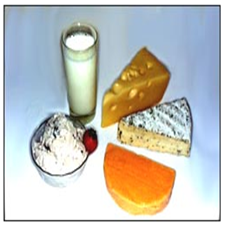
사진 설명을 입력하세요.
▴ 사진 2-39. 우유나 우유로 만든 음식물에 든 칼슘이나 단백질은 다른 종류의 음식물 속에도 많이 들어있다.
Copyright ⓒ 2011 John Sangwon Lee, MD, FAAP222222222222222222222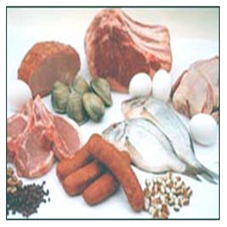
Copyright ⓒ 2011 John Sangwon Lee, MD, FAAP
● 하얀 콧수염을 기른 “기울리아니(Giuliani)뉴욕 시장이 우유를 마세서 전립선암에 걸렸다”는
● 광고 내용과 그의 사진이 빌보드 광고판에 크게 났었다.
● 그 후 광고를 낸 “PETA를 고소하겠다.”고 그는 으름장을 놓았다.
● 우유논쟁 전선이 저자가 사는 ‘벤자민 스포크스 박사의 고향 커네티컷주 뉴 헤븐에 마침내 도착했다’
● ‘우유로 인해서 영아산통, 당뇨병, 비만증, 귓병, 알레르기, 암, 또는 그 밖에 더 많은 병들이 아이들에게 생길 수 있다’는 내용과 입술에 하얀 우유가 묻은 아기 사진이 실린 큰 빌보드 광고판에 관한 뉴스가 커네티컷주 하트포드 주요 일간 신문지에 났었다.
● 우유는 소아청소년들에게 정말로 좋은 음식물인지 우유를 섭취하면 그들에게 해가 될 수 있는
● 지, 우리 모두 우유를 꼭 먹어야 하는지, 부모들은 성장 발육하는 소아청소년 자녀들에게 우유를 꼭 먹이여야 하는 지, 우유는 필수 음식물인지 알아볼 필요가 있다.
● 유당 불내증,
● 우유 알레르기,
● 갈락토스 혈증,
● 변비,
● 빈혈,
● 비타민 결핍증,
● 비만,
● 당뇨병,
● 우울증,
● 과도 활동 장애,
● 주의력 결핍 장애,
● 아토피성 피부염,
● 천식,
● 설사,
● 복통,
● 방귀,
● 두드러기,
● 아나필락시스 등 여러 가지 병이 우유섭취로 인해 생길 수 있다.
● 더 부언 하면, 우유를 많이 먹으면 그날그날 필요로 하는 단백질류 음식물이나 탄수화물류 음식물 또는 다른 종류의 영양분을 우유에서 주로 섭취해서 다른 종류의 자연 건강 음식물을 더 이상 먹을 수 없기 때문에 우유를 많이 마시면 그로 인해 여러 가지 질병에 걸릴 수 있다.
● 우유에는 철분과 비타민 C와 비타민 D 등이 충분히 들어 있지 않기 때문에 우유를 많이 마시는 아이들은 우유에서 철분을 충분히 섭취할 수 없어 철분 결핍 빈혈과 비타민 C나 비타민 D 등 비타민 결핍증에 걸일 수 있다.
● 우유 아이스크림이나 우유, 밀크 쉐이크 등 우유 음식물을 먹은 후 흥분성 위장관 증후군이 생길 수 있다.
● 위장관 증후군으로 배가 아프고 설사의 증상 징후가 생길 수 있다. 또 우유 섭취로 변비도 생길 수 있다.
● 편두통, 활동 과다증 및, 또는 집중력 결핍 장애, 알레르기성 결막염, 알레르기성 비염, 알레르기성 부비동염, 기관지 천식, 알레르기성 위장염과 그로 인해 장출혈과 점액 변, 녹변, 혈변, 또 소변에 혈뇨가 생길 수 있고, 빈혈도 생길 수 있다고 앞서 언급했다.
● 유당 불내증이 없이 설사, 복통, 복부팽만, 방귀 등의 증상 징후도 생길 수 있다.
● 성장통, 근육통, 긴장 피로 증후군, 아토피성 피부염, 두드러기, 쇼크 등 우유 알레르기가 우유를 섭취하는 사람들의 0.5~2%에서 생길 수 있다.
● 소장 점막층에서 분비되는 유당효소에 의해서 우유 속에 든 유당이 포도당과 갈락토스로 소화된 후 포도당과 갈락토스가 소장관 벽 점막층을 통과해 핏속으로 흡수되는 것이 정상이다.
● 소장관 벽 점막층이 유당 효소가 충분히 분비되지 않거나 유당 효소가 조금도 분비되지 않는 아이들이나 성인들이 우유를 마시면 유당 불내증이 생길 수 있다.
● 유당 효소는 태어나기 전부터 소장관 벽 점막층에서 분비된다.
● 유당 효소는 출생 후 신생아기나 영아기에는 아주 왕성하게 분비되고 그 기간 동안 먹은 모유나 인공영양 속 유당이 정상적으로 소화될 수 있다.
● 대부분의 유아들이 생후 3~4세가 되기 전에 그들의 소장관 벽 점막층에서 유당 효소 분비가 자연적으로 감소되는 것이 보통이다.
● 유당 효소가 충분히 분비되지 않는 아이들이 우유나 우유가 든 음식물을 먹으면 유당이 소화되지 않는다. 그 대신 유당이 소화되지 않은 채로 먹은 다른 음식물과 함께 대장관 속으로 내려간다.
● 이런 경우, 우유와 유당이 소화되어 생긴 포도당과 갈락토스가 소장관 벽 점막층을 통과해 피 속으로 흡수 되는 대신 소대장관 내 상존 균 무리에 의해 부패된다.
● 우유와 유당이 부패된 후 거기서 유산, 유기산, 수소 등 가스가 생기고 그로 인해 복부 팽만, 복통, 설사 등의 증상 징후가 생길 수 있다.
● 이렇게 생기는 병을 유당 불내증이라 한다.
● 유당 효소 결핍증(유당 불내증)은 선천성으로도 생길 수 있고 후천성으로도 생길 수 있고 이차성으로도 생길 수 있다.
● 선천성 유당 효소 결핍증은 아주 드물다.
● 췌장 낭포성 섬유종, 소아 지방변증, 궤양성 대장염, 위장관 수술 치료를 받은 후, 바이러스 위장염이나 박테리아 위장염, 또는 약물 위장염 등 병을 앓는 동안이나 앓은 후 유당 효소의 분비가 잘 되지 않을 수 있다. 이렇게 생긴 유당 불내증은 2차성 유당 불내증이라 한다.
● 바이러스성 위장염이나 박테리아 위장염 또는 약물 위장염 등으로 생긴 이차성 유당 불내증은 그 위장염이 다 나은 후 유당 효소가 정상적으로 다시 분비되면 2차성 유당 불내증도 자연히 낫는 것이 보통이다.
● 유당 효소 분비가 일시적으로 감소되었을 때는 우유나 우유가 든 음식물을 먹지 않는 것이 이상적 치료이다.
● 위장관은 아무 이상이 없는데도 유당 효소가 조금만 분비되든지 또는 거의 분비되지 않는 아이들이 하루에 240cc 정도 우유를 마시면 대개 별지장이 생기지 않을 수 있다.
● 그렇지만 240cc 이상 우유를 마시면 유당 효소 결핍증으로 유당 불내증이 거의 다 생기는 것이 보통이다.
● 영유기가 지난 후 흑인들, 유태인들, 지중해 연안 백인들 그리고 동양인들의 60~96%와 미 백인들의 20%의 위장관 벽 점막층에서 유당 효소가 거의 분비되지 않거나 아주 조금밖에 분비되지 않는다.
● 그들이 우유나 우유가 든 음식을 먹으면 1차성 유당 불내증이 생길 수 있다.
● 서양 백인들의 대부분은 오래 전부터, 아마도 지금까지도, 성장하는 아이들은 우유를 적어도 1일 3컵 이상 먹어야 잘 크고 뼈와 이가 튼튼해진다고 믿고 있다. 최근 한인들도 거의 같은 생각을 갖고 있는 것 같다.
● 서양에서, 전기냉장고가 처음 발명된 1915년 이후 우유의 보관이 쉬워진 이후 아이들은 우유를 꼭 먹어야 한다고 믿고 부모들이 적극적으로 우유를 먹이기를 강력히 장려해 왔던 것이 사실이다. 그리고 지금도 그렇게 믿고 있는 서양 사람들이 많다.
● 선진국의 대부분의 엄마들은 출생 후 첫 수개월 동안 아기에게 모유를 전적으로 먹이다가 그 다음부터는 소젖을 먹이는 경향이 뚜렷해졌다.
● 산업화된 현 시대에도 상당히 많은 엄마들이 아예 모유를 아기에게 조금도, 때로는 한 방울도, 먹이지 않고 인공영양으로 아이들을 양육하고 있다.
● 미 소아과 학회 알레르기, 천식 분과 위원회는 우유 단백질로 인하여 우유 알레르기가 유발될 수 있다는 연구 문헌을 내 놓았다.
● 우유나 우유 음식물을 섭취하면 콧물, 색색거림, 천식, 중이염, 두통, 근육통, 만성 축농증, 당뇨병, 피로, 영아산통, 아토피성 피부염, 두드러기 등의 증상 징후가 생길 수 있고 우유를 많이 섭취하면 우유에 든 포화지방과 콜레스테롤로 관상동맥 심장병이 더 잘 생길 수 있고 비만증이 생길 수도 있다는 연구 논문도 있다.
● 영아는 1일 500~600mg의 칼슘을, 10~15세 초기 사춘기 아이는 1일 600~700mg의 칼슘, 성인은 400~800mg의 칼슘을 섭취해야 한다.
● 우유를 충분히 먹으면 칼슘을 우유에서 충분히 공급받을 수 있다.
● 우유를 먹지 않고 균형 잡힌 음식물만 먹어도 그날그날 필요로 하는 칼슘을 충분히 섭취할 수 있다.
● “우유를 많이 먹는 아이들에게도 충치가 생길 수 있고 치아 에나멜 이상도 생길 수 있다”고 소아과 학회지는 발표했다.
● 죤 합킨스 의과대학 소아과 교수 오스키는 미국 소아들의 상당수가 우유 알레르기로 알게 모르게 많이 고생하고 있다”고 했다.
● 우유에 알레르기가 없고 유당 불내증이 생기지 않고 아이들이 우유와 우유가 든 음식물을 적절히 먹으면 우유는 그들에게 좋은 음식물이 될 수 있다.
● 이에 관해 반대 주장은 없다.
● 그렇지 않은 아이들에게는 우유로 인해 여러 가지 건강 문제가 생길 수 있다.
● 그 때문에 아이들이 우유를 꼭 먹어야 한다는 관념에 대해서 재고할 필요가 있다.
● 자녀들에게 우유를 먹일 때 우유로 인한 건강문제가 생기는지 조심히 관찰해야 한다.
● 각 나라 각 민족의 좋은 음식물은 3대를 거쳐 선정된다고 한다.
● 히포크라테스는 Let foods to be medicine이라 했다.
● 균형 잡힌 음식물은 보약이다.
● [부모도 반의사가 되어야 한다] 15장 소아청소년 알레르기 및 면역 질환: 우유 알레르기, 우유 알러지(Cow’s milk allergy/milk allergy) 참고. 제 9권 소아청소년 소화기 질환: 2차성 유당 불내증으로 생기는 설사와 선천성 유당 불내증으로 생기는 설사 참고.
Is cow’s milk an essential food for everyone? Lactose intolerance, milk allergic diseases
For more information, please visit drleepediatrics.com. Search
For more information, please visit drleepediatrics.com and search.
● Should children, adolescents (ages 0-18) and all adults drink milk?
● Or can they avoid it?
● This issue continues to be debated in the medical community.
● The debate will likely continue for various reasons.
● For several years, I have conducted seminars in the United States and Korea titled “How to Raise Children with Love?”
● I surveyed 100 Korean parents who attended the seminars and parents who visited a pediatric clinic for their children’s health issues, answering some of the following 23 questions.
● The % represents the percentile of those who answered “Yes.”
Q. Should children drink milk? A.
● Must eat – 79%,
● Not necessarily – 15%,
● Not sure – 6%.
Q.
Why should children drink milk?
A.
● For calcium intake – 92%,
● To grow well and stay healthy – 4%,
● Because milk fat is needed – 1%,
● Because it’s good for everyone – 1%,
● Because it provides good nutrition – 1%,
● Because it’s a food rich in vitamins – 1%. ● Milk is one of the foods that provides almost all nutrients, including protein, carbohydrates, fat, calcium, water, and minerals.
● However, children and adults can develop various diseases after consuming small amounts or large amounts of milk.
● About 40 years ago, I wrote an article in The Chronicle, a local newspaper in Willimantic, Connecticut, where I live, titled, “Children and adolescents who consume a balanced diet do not necessarily need to drink milk.”
● As expected, several local nutritionists published a rebuttal in The Chronicle, asking, “How can children grow and develop without milk? And where can they get calcium without milk?”
● Some argued that the claim that “children do not necessarily need to drink milk” was incorrect.
● Others opposed my argument beyond the newspaper article.
● Many doctors strongly supported my argument.
● Of course, those who opposed my argument had a point. ● I didn’t continue the argument.
● I quietly stepped back.
● A mother who had recently immigrated from Korea brought her nine-year-old child to my pediatric clinic and told me at length about her struggles with milk.
● “How about continuing to drink milk while taking Lactaid for the rest of her life to treat her lactose intolerance?” she asked, explaining her child’s medical history.
● The woman said:
● “As soon as we arrived in the US, I told her that milk was good for the body and a great source of calcium for growing children, so I made her drink three cups of milk a day, like a cold Coke. If she didn’t want to drink it, I made her drink it with sugar. Sometimes I even mixed it with honey. After that, my child suffered for several years with symptoms such as diarrhea, abdominal pain, gas, and abdominal bloating.” ● “I gave him antacids like Tums or Maalox whenever he had a stomachache.
● I went to various doctors, but there was no cure.
● I thought he might be having trouble digesting salty and spicy Korean food like kimchi and gochujang, so I switched his diet from Korean to Western food.
● Finally, I took him to a pediatric gastroenterologist.
● He was diagnosed with lactose intolerance, caused by a deficiency of the lactase enzyme. He said he would not drink a single drop of milk after that.”
● Dr. Benjamin Spock, an American pediatrician who wrote the world’s first popular encyclopedia of child care (Baby and Child Care) in 1946, recently claimed that “children after age two do not necessarily need milk and can grow and develop well if they eat a balanced diet other than milk.”
● The American Academy of Pediatrics subsequently refuted his claims, calling Dr. Spock a “pediatric nutrition rioter.” ● This concludes the milk debate after one round.
● The debate over milk has continued ever since.
Representative
Please enter a caption for the photo.
▴ Photo 2-39. The calcium and protein found in milk and milk-based foods are also found in many other foods.
Copyright ⓒ 2011 John Sangwon Lee, MD, FAAP2222
22222222222222222
Representative
Please enter a caption for the photo.
▴ Photo 2-40. Foods other than milk, as well as the protein-containing foods in this photo, are also rich in protein and calcium.
Copyright ⓒ 2011 John Sangwon Lee, MD, FAAP
● “New York Mayor Giuliani, with his white mustache, developed prostate cancer from drinking milk.”
● The advertisement and his photo were displayed on a large billboard.
● He then threatened to sue PETA, which published the advertisement. The milk debate has finally reached Dr. Benjamin Spokes’ hometown of New Haven, Connecticut, where the author lives.
A major daily newspaper in Hartford, Connecticut, ran a large billboard advertising a baby with milk stains on his lips, claiming, “Milk can cause colic, diabetes, obesity, ear infections, allergies, cancer, and many other ailments in children.”
Whether milk is truly good for children and adolescents, or can it be harmful to them,
should we all drink milk? Should parents feed their growing children milk? Is milk an essential food?
● Lactose intolerance,
● milk allergy,
● galactosemia,
● constipation,
● anemia,
● vitamin deficiencies,
● obesity,
● diabetes,
● depression,
● hyperactivity disorder,
● attention deficit disorder,
● atopic dermatitis,
● asthma,
● diarrhea,
● abdominal pain,
● flatulence,
● hives,
● anaphylaxis, and many other ailments can be caused by milk consumption.
● Furthermore, drinking too much milk can lead to various ailments because milk is the primary source of daily protein, carbohydrate, and other nutrients, leaving other natural, healthy foods unavailable.
● Because milk does not contain sufficient iron, vitamins C and D, children who drink a lot of milk may not be able to absorb enough iron from milk, which can lead to iron deficiency anemia and vitamin deficiencies such as vitamin C and D. ● Irritable bowel syndrome (IBS) can occur after consuming dairy products such as milk ice cream, milk, or milkshakes.
● Gastrointestinal symptoms can include abdominal pain and diarrhea. Constipation can also occur with milk consumption.
● As mentioned earlier, symptoms include migraines, hyperactivity and/or attention deficit disorder, allergic conjunctivitis, allergic rhinitis, allergic sinusitis, bronchial asthma, allergic gastroenteritis, and intestinal bleeding, mucus in the stool, green stool, bloody stool, and hematuria. Anemia can also occur.
● Symptoms and signs such as diarrhea, abdominal pain, bloating, and flatulence can also occur without lactose intolerance.
● Milk allergies, including growing pains, muscle pain, tension fatigue syndrome, atopic dermatitis, hives, and shock, can occur in 0.5-2% of people who consume milk. ● Normally, lactose in milk is digested into glucose and galactose by lactase secreted from the small intestine mucosa. These glucose and galactose are then absorbed into the bloodstream through the small intestine mucosa.
● Children or adults whose small intestine mucosa does not secrete sufficient or any lactase at all can develop lactose intolerance if they drink milk.
● Lactase is secreted from the small intestine mucosa even before birth.
● Lactase is highly secreted during the newborn and infant stages, allowing them to normally digest lactose in breast milk or formula during this period.
● Most infants naturally experience a decline in lactase secretion from their small intestine mucosa before they reach the age of three or four.
● When children who do not secrete sufficient lactase consume milk or milk-based foods, lactose is not digested. Instead, the undigested lactose passes through the large intestine along with other foods they consume. In these cases, instead of being absorbed into the bloodstream through the mucosal layer of the small intestine, the glucose and galactose produced by the digestion of milk and lactose are decomposed by the flora present in the small intestine.
After milk and lactose decompose, gases such as lactic acid, organic acids, and hydrogen are produced, which can cause symptoms such as abdominal bloating, abdominal pain, and diarrhea.
This condition is called lactose intolerance.
Lactose intolerance (lactose intolerance) can be congenital, acquired, or secondary.
Congenital lactose intolerance is very rare.
Lactose intolerance can be impaired during or after conditions such as cystic fibrosis of the pancreas, celiac disease, ulcerative colitis, gastrointestinal surgery, viral or bacterial gastroenteritis, or drug-induced gastroenteritis. This type of lactose intolerance is called secondary lactose intolerance. Secondary lactose intolerance caused by viral, bacterial, or drug-induced gastroenteritis usually resolves naturally once the gastroenteritis resolves and lactase secretion returns to normal.
The ideal treatment for temporarily reduced lactase secretion is to avoid milk and milk-based foods.
Children with minimal or no lactase secretion despite a normal gastrointestinal tract may drink up to 240 cc of milk per day without significant side effects.
However, drinking more than 240 cc of milk typically leads to lactase deficiency and lactose intolerance.
After infancy, 60-96% of Blacks, Jews, Mediterranean whites, and Asians, as well as 20% of White Americans, have little or no lactase secretion in the gastrointestinal mucosa. ● If they consume milk or milk-based foods, they may develop primary lactose intolerance.
● Most Western Caucasians have long believed, and perhaps still do, that growing children should drink at least three cups of milk a day to grow well and have strong bones and teeth. Recently, Koreans seem to share this belief.
● In the West, since the invention of the electric refrigerator in 1915 and the ease of milk storage, parents have strongly encouraged their children to drink milk, believing that children should drink it. Many Westerners still believe this today.
● Most mothers in developed countries exclusively breastfeed their babies for the first few months after birth, with a clear trend toward switching to cow’s milk thereafter.
● Even in the modern industrialized world, a significant number of mothers do not breastfeed their babies at all, sometimes not even a single drop, and instead rely on formula feeding.
● The American Academy of Pediatrics’ Committee on Allergy and Asthma has published research indicating that milk proteins can cause milk allergy.
● Consuming milk or dairy products can cause symptoms such as a runny nose, irritability, asthma, otitis media, headaches, muscle pain, chronic sinusitis, diabetes, fatigue, infantile colic, atopic dermatitis, and hives. Research studies also show that excessive milk consumption can increase the risk of coronary heart disease and obesity due to the saturated fat and cholesterol in milk.
● Infants should consume 500-600 mg of calcium per day, children aged 10-15 years in early puberty should consume 600-700 mg, and adults should consume 400-800 mg.
● Drinking plenty of milk provides sufficient calcium.
● Children can also get their daily calcium needs by consuming a balanced diet without milk.
● “Children who drink a lot of milk can also develop cavities and tooth enamel abnormalities,” the Journal of Pediatrics reported.
● Professor Oski of the Department of Pediatrics at Johns Hopkins University School of Medicine stated that “a significant number of American children suffer from milk allergies, knowingly or unknowingly.”
● If children are not allergic to milk or lactose intolerant and consume milk and milk-based foods in moderation, milk can be a good food for them.
● There is no argument against this.
● For children who do not, milk can cause various health problems.
● Therefore, the idea that children must drink milk needs to be reconsidered.
● When feeding milk to children, careful observation is necessary to check for health problems caused by milk.
● It is said that the best foods for each country and ethnicity are selected over three generations.
● Hippocrates said, “Let foods be medicine.”
● A balanced diet is a tonic.
● [Parents Should Become Semi-Doctors, Too] Chapter 15, Pediatric and Adolescent Allergies and Immune Diseases: Cow’s Milk Allergy/Milk Allergy. See Volume 9, Pediatric and Adolescent Digestive Diseases: Secondary See Diarrhea caused by lactose intolerance and Diarrhea caused by congenital lactose intolerance.
Copyright drleepediatrics.com 2/20/2026