접촉성 피부염과 옻 피부염
Contact dermatitis and Poison ivy dermatitis(Rhus dermatitis)
For more information, please visit drleepediatrics.com. search 정보를 더 찾으려면 drleepediatrics.com 방문한 search에서 찾아보세요.
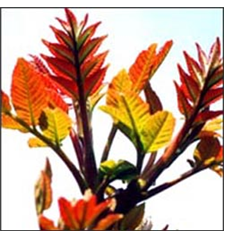 https://blog.naver.com/drsangwonlee/221081682685 네이버 블로그에서 퍼온글
▴ 사진 343. 봄철 한국 옻나무.Copyright ⓒ 2012 John Sangwon Lee, MD. FAAP
■ 접촉성 피부염과 옻 피부염의 개요와 원인
● 나무나 풀의 잎· 가지· 줄기, 유기·무기 화학물질, 곤충, 금속 등이 피부에 접촉되어 유발되는 피부염을 접촉성 피부염이라고 한다.
● 접촉성 피부염은 기계적 자극으로 유발되는 기계적 자극성 접촉성 피부염(Irritant contact dermatitis)과 알레르기 반응으로 유발되는 알레르기성 접촉성 피부염(Allergic contact dermatitis)으로 나눌 수 있다.
● 부식성 산성 물질이나 알칼리성 물질에 접촉될 때 생길 수 있는 접촉성 피부염, 탄화수소 등 화학물질에 접촉되어 생길 수 있는 접촉성 피부염은 자극성 접촉성 피부염에 속한다.
● 옻나무(Poison ivy/덩굴옻나무)에 접촉해 생긴 옻 접촉성 피부염은 알레르기성 접촉성 피부염에 속한다.
● 덩굴 옻나무(Poison ivy), 독 오크(Poison oak), 독 수맥(Poison sumac) 등 여러 종류의 나뭇잎, 풀, 고무, 금이나 니켈 등의 금속, 머리 염색약, 화장품, 약물, 물감 등에 접촉될 때 알레르기성 접촉성 피부염이 유발될 수 있다.
● 흘린 콧물이 자신의 코 밑이나 침으로 자신의 아랫입술 주위의 피부에 자극성 접촉성 피부염이 생길 수 있다.
● 신발에서 나온 신발 재료 성분으로 알레르기성 접촉성 피부염이 발에 유발될 수 있고, 자극성 접촉성 피부염이 생길 수 있다.
■ 접촉성 피부염과 옻 피부염의 증상 징후
● 접촉성 피부염의 원인, 중증도, 생긴 신체 부위 등에 따라 증상 징후가 다르며 알레르기성 접촉성 피부염은 아토피 체질이 있는 아이들에게 더 잘 유발된다.
● 기관지 천식, 아토피 피부염, 알레르기 비염 등 알레르기 질환을 과거에 앓았거나 현재 앓고 있는 병력이 있는 아이들에게 알레르기성 접촉성 피부염이 더 잘 유발될 수 있다.
● 신체의 어느 부위의 피부든 가리지 않고 접촉된 피부에 생길 수 있고, 어느 것이든지 잘 접촉될 수 있는 얼굴, 팔, 다리, 손발 등 피부에 더 생긴다.
● 화장품 등을 바른 눈썹이나 입술 등에 접촉성 피부염이 유발될 수 있으며 귀걸이, 팔지, 반지 등의 액세서리 등을 착용한 부위 귀나 팔, 또는 손가락 등에 자극성 피부염 또는 알레르기성 접촉성 피부염이 유발될 수 있다.
● 알레르기성 접촉성 피부염이 생긴 피부가 갑자기 가려워지고, 피부를 긁으면 피부에 빨간 반점이 생기고 심하면 물집이 잡히면서 붓는다.
● 속히 적절히 치료하지 않으면 박테리아 감염으로 접촉성 피부염에 부스럼이 생길 수 있고 만성 알레르기성 접촉성 피부염으로 이어질 수 있고 비늘이 생기고 태선화 현상과 피부 과착색 현상이 생길 수 있다.
● 얼굴이나 눈 주위가 옻나무나 덩굴옻나무에 접촉되면 옻나무 알레르기성 접촉성 피부염(옻 피부염)이 얼굴이나 눈 주위에 생길 수 있다.
● 눈을 뜰 수 없을 정도로 얼굴이 부을 수 있다(사진 351 참조). 이때 생긴 접촉성 옻 피부염을 그냥 옻이라고 한다.
● 얼굴이나 손과 팔 등에 알레르기성 접촉성 옻 피부염이 생긴 남아가 옻나무를 만진 맨손으로 자신의 자지를 만질 수 있다. 자지에 생긴 옻 피부염으로 자지 포피가 퉁퉁 부을 수 있다(사진 355 참조).
● 처음으로 생긴 알레르기성 접촉성 피부염은 옻나무에 접촉한 후 대개 7~10일 정도 지난 후 발생되는 것이 보통이다. 그 다음 옻나무에 또 접촉 된 후 알레르기성 접촉성 피부염은 접촉된 후 곧바로 생길 수 있다.
사진 설명을 입력하세요.
▴ 사진 344. 미 동부 지역의 봄철 덩굴 옻나무 잎과 줄기.
Copyright ⓒ 2012 John Sangwon Lee, MD. FAAP
▴ 사진 345. 미 동부 지역의 초여름 덩굴옻나무의 잎과 줄기.
Copyright ⓒ 2012 John Sangwon Lee, MD. FAAP
▴ 사진 346. 미 동부 지역의 여름철 덩굴 옻나무 잎과 줄기.
Copyright ⓒ 2012 John Sangwon Lee, MD. FAAP
사진 설명을 입력하세요.
▴ 사진 347. 미 동부 지역의 여름철 덩굴 옻나무 잎과 줄기.
Copyright ⓒ 2012 John Sangwon Lee, MD. FAAP
사진 설명을 입력하세요.
▴ 사진 348. 미 동부 지역의 가을철 덩굴옻나무의 잎과 줄기.
Copyright ⓒ 2012 John Sangwon Lee, MD. FAAP
▴ 사진 349. 미 동부 지역 가을철 덩굴옻나무의 잎과 줄기.
Copyright ⓒ 2012 John Sangwon Lee, MD. FAAP
▴ 사진 350. 눈 주위에 생긴 덩굴옻 Copyright ⓒ 2012 John Sangwon Lee, MD. FAAP.
▴ 사진 351. 눈 주위에 생긴 덩굴옻 Copyright ⓒ 2012 John Sangwon Lee, MD. FAAP.
사진 설명을 입력하세요.
▴ 사진 352. 얼굴에 생긴 덩굴옻 피부염.
Copyright ⓒ 2012 John Sangwon Lee, MD. FAAP
▴ 사진 353. 귓바퀴 뒤에 생긴 덩굴옻 피부염.
Copyright ⓒ 2012 John Sangwon Lee, MD. FAAP
▴ 사진 354. 팔에 생긴 덩굴옻 피부염.
Copyright ⓒ 2012 John Sangwon Lee, MD. FAAP
▴ 사진 355. 자지에 생긴 덩굴옻 피부염으로 자지 포피가 부어 있다.
Copyright ⓒ 2012 John Sangwon Lee, MD.FAAP
▴ 사진 356. 음식물 접촉으로 생긴 입주위 접촉성 피부염.
Copyright ⓒ 2012 John Sangwon Lee, MD.FAAP
▴ 사진 357. 설사변 접촉으로 생긴 항문 주위 피부염.
Copyright ⓒ 2012 John Sangwon Lee, MD.FAAP
■ 접촉성 피부염과 옻 피부염의 진단
T.R.U.E.Test로 피부 패치 검사를 통해 접촉성 피부염을 진단할 수 있다.
APP NEWS 9/2018
● 병력, 증상 징후와 진찰 소견 등을 종합해 진단한다.
● 특히 아토피 체질이 있거나 아토피 피부염, 기관지 천식, 알레르기 비염 등 알레르기 질환을 과거에 앓았든지 현재 앓고 있는 병력이 있는 아이들에게 알레르기성 접촉성 피부염이 더 잘 유발된다.
● 옻나무나 풀 등 무엇에 접촉했는지를 알아본 후 이 병을 진단할 수 있다.
■ 접촉성 피부염과 옻 피부염의 치료
● 알레르기성 접촉성 피부염이 생긴 신체의 부위, 중증도, 원인 등에 따라 치료가 달라진다.
● 알레르기성 접촉성 피부염을 일으킨 경우 더 이상 사용하지 말고, 접촉하지 말아야 한다.
● 알레르기성 접촉성 피부염이 생긴 부위가 가려우면 타이레놀 등 진통제로 대증치료를 하든지, 얼음물 습포 찜질이나 찬물 습포 찜질을 20분 정도 해주면 가려움 등이 덜 할 수 있다.
For more information, please visit drleepediatrics.com.
Source: Naver Blog (https://blog.naver.com/drsangwonlee/221081682685)
Enter a photo description.
▴ Photo 343. Korean lacquer tree (Rhus verniciflua) in the spring. Copyright ⓒ 2012 John Sangwon Lee, MD, FAAP.
■ Overview and Causes of Contact Dermatitis and Rhus Dermatitis (Urushiol-induced Dermatitis)
● Contact dermatitis refers to skin inflammation caused by contact with substances such as the leaves, branches, or stems of plants or trees, organic or inorganic chemicals, insects, or metals.
● Contact dermatitis is categorized into two types: irritant contact dermatitis, caused by mechanical or chemical irritation, and allergic contact dermatitis, triggered by an allergic reaction.
● Contact dermatitis resulting from exposure to corrosive acidic or alkaline substances, or to chemicals such as hydrocarbons, is classified as irritant contact dermatitis.
● Contact dermatitis caused by exposure to the lacquer tree (or similar plants like poison ivy) is classified as allergic contact dermatitis. ● Allergic contact dermatitis can be triggered by contact with various substances, including certain leaves and grasses (such as poison ivy, poison oak, and poison sumac), rubber, metals (like gold or nickel), hair dyes, cosmetics, medications, and paints.
● Irritant contact dermatitis can develop when nasal discharge irritates the skin beneath the nose, or when saliva irritates the skin around the lower lip.
● Materials used in footwear can cause either allergic or irritant contact dermatitis on the feet.
■ Signs and Symptoms of Contact Dermatitis (Including Dermatitis Caused by Poisonous Plants)
● The signs and symptoms of contact dermatitis vary depending on the cause, the severity of the reaction, and the specific area of the body affected. Allergic contact dermatitis is more likely to occur in children with an atopic (allergic) predisposition.
● Children with a history of—or current—allergic conditions, such as bronchial asthma, atopic dermatitis, or allergic rhinitis, are more susceptible to developing allergic contact dermatitis.
● It can occur on any part of the body that comes into contact with an irritant or allergen; it is most frequently seen on areas frequently exposed to such substances, including the face, arms, legs, hands, and feet.
● Contact dermatitis can develop on areas like the eyebrows or lips due to the application of products such as cosmetics. It can also occur on the ears, wrists, or fingers as a result of wearing accessories like earrings, bracelets, or rings. ● In cases of allergic contact dermatitis, the affected skin suddenly becomes itchy. Scratching the skin leads to the appearance of red spots, and in severe cases, it may cause blistering and swelling.
● If not treated promptly and appropriately, the contact dermatitis can become complicated by a bacterial infection, potentially leading to sores. It may also progress to chronic allergic contact dermatitis, characterized by scaling, lichenification (thickening and leathery texture of the skin), and hyperpigmentation.
● Contact with poison sumac or poison ivy—often involving the face or the area around the eyes—can result in allergic contact dermatitis (commonly referred to as “poison ivy/sumac dermatitis”).
● The face may swell to such an extent that the eyes cannot be opened (see Photo 351). This specific type of contact dermatitis is often colloquially called “poison ivy” or “poison sumac” rash.
● A young boy who has developed allergic contact dermatitis on his face, hands, or arms might touch his penis with the same bare hands that came into contact with the plant. This can cause the foreskin of the penis to become severely swollen (see Photo 355).
● When allergic contact dermatitis occurs for the first time, it typically appears about 7 to 10 days after exposure to the plant. Upon subsequent exposures, the allergic reaction may manifest much more quickly—sometimes almost immediately.
Enter photo caption.
▴ Photo 344. Leaves and stems of poison ivy (or a related *Toxicodendron* species) in the eastern United States during the spring.
Copyright ⓒ 2012 John Sangwon Lee, MD, FAAP
Enter photo caption.
▴ Photo 345. Leaves and stems of poison ivy (or a related *Toxicodendron* species) in the eastern United States during early summer. Copyright ⓒ 2012 John Sangwon Lee, MD, FAAP
Enter photo caption.
▴ Photo 346. Leaves and stems of poison ivy in the eastern United States during the summer.
Copyright ⓒ 2012 John Sangwon Lee, MD, FAAP
Enter photo caption.
▴ Photo 347. Leaves and stems of poison ivy in the eastern United States during the summer.
Copyright ⓒ 2012 John Sangwon Lee, MD, FAAP
Enter photo caption.
▴ Photo 348. Leaves and stems of poison ivy in the eastern United States during the autumn.
Copyright ⓒ 2012 John Sangwon Lee, MD, FAAP
Enter photo caption.
▴ Photo 349. Leaves and stems of poison ivy in the eastern United States during the autumn.
Copyright ⓒ 2012 John Sangwon Lee, MD, FAAP
Enter photo caption.
▴ Photo 350. Poison ivy rash around the eyes. Copyright ⓒ 2012 John Sangwon Lee, MD, FAAP.
Enter photo caption.
▴ Photo 351. Poison ivy rash around the eyes. Copyright ⓒ 2012 John Sangwon Lee, MD, FAAP.
Enter photo caption.
▴ Photo 352. Poison ivy dermatitis on the face.
Copyright ⓒ 2012 John Sangwon Lee, MD, FAAP
Enter photo caption.
▴ Photo 353. Poison ivy dermatitis behind the ear (auricle).
Copyright ⓒ 2012 John Sangwon Lee, MD, FAAP
Enter photo caption.
▴ Photo 354. Poison ivy dermatitis on the arm.
Copyright ⓒ 2012 John Sangwon Lee, MD, FAAP
Enter photo caption. ▴ Photo 355. Poison ivy dermatitis on the penis, causing swelling of the foreskin.
Copyright ⓒ 2012 John Sangwon Lee, MD, FAAP
Enter a caption for the photo.
▴ Photo 356. Perioral (around the mouth) contact dermatitis caused by contact with food.
Copyright ⓒ 2012 John Sangwon Lee, MD, FAAP
Enter a caption for the photo.
▴ Photo 357. Perianal (around the anus) dermatitis caused by contact with diarrheal stool.
Copyright ⓒ 2012 John Sangwon Lee, MD, FAAP
■ Diagnosis of Contact Dermatitis and Poison Ivy Dermatitis
Contact dermatitis can be diagnosed through a skin patch test, such as the T.R.U.E. Test.
APP NEWS 9/2018
● Diagnosis is made by synthesizing the patient’s medical history, signs and symptoms, and physical examination findings.
● Allergic contact dermatitis is more likely to occur in children with an atopic predisposition or a history of—or current—allergic conditions, such as atopic dermatitis, bronchial asthma, or allergic rhinitis.
● The condition can be diagnosed by identifying the substance the patient came into contact with, such as poison ivy or certain plants.
■ Treatment of Contact Dermatitis and Poison Ivy Dermatitis
● Treatment varies depending on the affected area of the body, the severity of the condition, and the underlying cause of the allergic contact dermatitis.
● If a substance has caused allergic contact dermatitis, its use must be discontinued, and further contact with it must be avoided. ● If the area affected by allergic contact dermatitis becomes itchy, you can manage the symptoms using a pain reliever such as Tylenol, or apply a cold or ice-water compress for about 20 minutes to help alleviate the itching.
● 시원한 선풍기 바람을 쏘이면 가려움이 덜하다.
● 베나드릴(Benadryl), 아타락스(Atarax), 그 외 다른 종류의 1세대 항히스타민제나 2세대 항히스타민제를 복용하면 가려움증이 치료될 수 있고 처방에 따라 코르티코스테로이드제 연고 또는 크림 등을 발라 치료하든지 경구용 프레드니손제로 약 4~5일간 치료하면 쉽게 잘 낫는다.
● 접촉성 피부염에 박테리아가 침입해 부스럼 등이 생길 수 있는데, 이때는 의사의 처방에 따라 적절한 항생제로 치료한다.
■ 접촉성 피부염과 옻 피부염의 예방  사진 설명을 입력하세요.
▴ 사진 358. 포이즌 수맥(독수맥).
습지에서 자라는 드문 식물이다.Copyright ⓒ 2012 John Sangwon Lee, MD. FAAP
● 알레르기성 접촉성 피부염을 유발할 수 있는 덩굴옻나무나 다른 항원에 더 이상 접촉하지 않도록 한다.
● 옻나무 접촉성 피부염(옻 피부염)에 걸렸던 아이는 덩굴옻나무가 어떻게 생겼는지 알고, 옻나무에 더 이상 접촉하지 않도록 해야 한다.
● 부득이 덩굴옻나무가 자라는 곳이나 산에 가야 할 때는 긴 소매 저고리와 긴 바지를 입고 비닐장갑을 끼고 간다. 고무나 라텍스 장갑은 끼지 않는다.
● 전에 한 번도 써보지 않은 머리 염색약이나 화장품 등을 처음 쓸 때는 그것을 사용하기 전에 그 제품 회사 사용법에 관한 설명서를 잘 읽어본 후 제품을 시험적으로 피부의 일부에 조금 바른 후 부작용이 생기지 않은 것을 확인한 후에 써야 한다.
● 몸에 약물과 화장품 등을 바르거나 뿌릴 때에도 제품 회사 설명서를 읽어본 후 사용법에 따라 사용해야 하고 시험적으로 피부의 일부에 조금 바른 후 부작용이 생기지 않은 것을 확인한 후에 써야 한다.
● Roundup이나 다른 종류의 제초제로 집 뜰에 있는 덩굴 옻나무를 죽이든지 뿌리째 캐내든지 불로 태우든지 다른 방법으로 집 주위 덩굴 옻나무를 없애고 야외로 나갈 때 덩굴 옻나무에 접촉될 가능성이 있을 때는 옻나무 접촉성 피부염을 예방할 수 있는 Ivy Block 크림을 미리 바르며 덩굴 옻나무에 접촉한 후에는 비눗물로 즉시 잘 씻는다.
● Zanfel 비누로 덩굴옻나무에 접촉한 후 생긴 피부염을 씻으면 증상이 좋아진다.
■ 접촉성 피부염과 옻 피부염의 참조문헌 및 웹사이트
● www.aad.org
● www.contactderm.org
● bodd.cf.ac.uk
● householdproducts.nlm.nih.gov
● www.ctfa.org
● www.cdc.gov/niosh/homepage.html
● www.osha.gov
Copyright drleepediatrics.com 2/20/2026
● 시원한 선풍기 바람을 쏘이면 가려움이 덜하다.
● 베나드릴(Benadryl), 아타락스(Atarax), 그 외 다른 종류의 1세대 항히스타민제나 2세대 항히스타민제를 복용하면 가려움증이 치료될 수 있고 처방에 따라 코르티코스테로이드제 연고 또는 크림 등을 발라 치료하든지 경구용 프레드니손제로 약 4~5일간 치료하면 쉽게 잘 낫는다.
● 접촉성 피부염에 박테리아가 침입해 부스럼 등이 생길 수 있는데, 이때는 의사의 처방에 따라 적절한 항생제로 치료한다.
■ 접촉성 피부염과 옻 피부염의 예방 사진 설명을 입력하세요.
▴ 사진 358. 포이즌 수맥(독수맥).
습지에서 자라는 드문 식물이다.Copyright ⓒ 2012 John Sangwon Lee, MD. FAAP
● 알레르기성 접촉성 피부염을 유발할 수 있는 덩굴옻나무나 다른 항원에 더 이상 접촉하지 않도록 한다.
● 옻나무 접촉성 피부염(옻 피부염)에 걸렸던 아이는 덩굴옻나무가 어떻게 생겼는지 알고, 옻나무에 더 이상 접촉하지 않도록 해야 한다.
● 부득이 덩굴옻나무가 자라는 곳이나 산에 가야 할 때는 긴 소매 저고리와 긴 바지를 입고 비닐장갑을 끼고 간다. 고무나 라텍스 장갑은 끼지 않는다.
● 전에 한 번도 써보지 않은 머리 염색약이나 화장품 등을 처음 쓸 때는 그것을 사용하기 전에 그 제품 회사 사용법에 관한 설명서를 잘 읽어본 후 제품을 시험적으로 피부의 일부에 조금 바른 후 부작용이 생기지 않은 것을 확인한 후에 써야 한다.
● 몸에 약물과 화장품 등을 바르거나 뿌릴 때에도 제품 회사 설명서를 읽어본 후 사용법에 따라 사용해야 하고 시험적으로 피부의 일부에 조금 바른 후 부작용이 생기지 않은 것을 확인한 후에 써야 한다.
● Roundup이나 다른 종류의 제초제로 집 뜰에 있는 덩굴 옻나무를 죽이든지 뿌리째 캐내든지 불로 태우든지 다른 방법으로 집 주위 덩굴 옻나무를 없애고 야외로 나갈 때 덩굴 옻나무에 접촉될 가능성이 있을 때는 옻나무 접촉성 피부염을 예방할 수 있는 Ivy Block 크림을 미리 바르며 덩굴 옻나무에 접촉한 후에는 비눗물로 즉시 잘 씻는다.
● Zanfel 비누로 덩굴옻나무에 접촉한 후 생긴 피부염을 씻으면 증상이 좋아진다.
■ 접촉성 피부염과 옻 피부염의 참조문헌 및 웹사이트
● www.aad.org
● www.contactderm.org
● bodd.cf.ac.uk
● householdproducts.nlm.nih.gov
● www.ctfa.org
● www.cdc.gov/niosh/homepage.html
● www.osha.gov
Copyright drleepediatrics.com 2/20/2026
● Exposing the affected area to a cool breeze from an electric fan can help alleviate itching.
● Itching can be treated with first-generation antihistamines (such as Benadryl or Atarax) or second-generation antihistamines. Depending on a physician’s prescription, treatment may also involve the application of corticosteroid ointments or creams, or a short course (about 4–5 days) of oral prednisone, which typically leads to quick recovery.
● In some cases, contact dermatitis may become complicated by a bacterial infection, leading to sores or similar lesions; such instances should be treated with appropriate antibiotics as prescribed by a physician.
■ Prevention of Contact Dermatitis and Poison Ivy/Sumac Dermatitis
▴ Photo 358. Poison Sumac.
A rare plant that grows in wetlands. Copyright ⓒ 2012 John Sangwon Lee, MD, FAAP.
● Avoid further contact with poison ivy, poison sumac, or any other allergens that may trigger allergic contact dermatitis.
● Children who have previously developed contact dermatitis from poison ivy or similar plants should learn to identify these plants to avoid future exposure.
● If it is unavoidable to visit areas where poison ivy grows—such as when hiking in the mountains—wear long-sleeved shirts and long pants, and use plastic (vinyl) gloves. Do not use rubber or latex gloves. ● Before using any hair dye, cosmetic, or similar product for the first time, carefully read the manufacturer’s instructions. Apply a small amount to a patch of skin to test for any adverse reactions before using it more broadly.
● When applying or spraying medications, cosmetics, or similar products on your body, always follow the manufacturer’s instructions. As a precaution, test the product on a small area of skin first to ensure no adverse reaction occurs.
● If you are removing poison ivy from your yard—whether by using herbicides like Roundup, digging it up by the roots, burning it, or employing other methods—be aware that you may come into contact with the plant when spending time outdoors. To prevent poison ivy-induced contact dermatitis, apply a barrier cream (such as Ivy Block) beforehand, and wash thoroughly with soap and water immediately after any potential exposure.
● Using Zanfel soap to wash the affected area after contact with poison ivy can help alleviate symptoms.
■ References and Websites for Contact Dermatitis and Poison Ivy Dermatitis
● www.aad.org
● www.contactderm.org
● bodd.cf.ac.uk
● householdproducts.nlm.nih.gov
● www.ctfa.org
● www.cdc.gov/niosh/homepage.html
● www.osha.gov
Copyright drleepediatrics.com 2/20/2026
● Exposing the skin to a cool breeze from a fan can help reduce itching. ● Itching can be treated with first-generation or second-generation antihistamines (such as Benadryl or Atarax). Other effective treatment options—prescribed by a physician—include the application of corticosteroid ointments or creams, or a short course (about 4–5 days) of oral prednisone.
● In some cases, contact dermatitis can become complicated by a bacterial infection, leading to sores or lesions; such instances require treatment with appropriate antibiotics as prescribed by a physician.
■ Prevention of Contact Dermatitis and Poison Ivy/Sumac Dermatitis
▴ Photo 358. Poison sumac.
A rare plant that grows in wetlands. Copyright ⓒ 2012 John Sangwon Lee, MD, FAAP.
● Avoid further contact with poison ivy, poison sumac, or any other allergens that may trigger allergic contact dermatitis.
● Children who have previously developed contact dermatitis from poison ivy or similar plants should learn to identify these plants to avoid future exposure.
● If you must visit areas where poison ivy grows—such as when hiking in the mountains—wear long-sleeved shirts and long pants, and use plastic (vinyl) gloves. Do not use rubber or latex gloves.
● Before using hair dyes, cosmetics, or other products you have never tried before, carefully read the manufacturer’s instructions. It is also advisable to perform a patch test by applying a small amount of the product to a limited area of your skin to ensure that no adverse reactions occur before full application. ● When applying or spraying products such as medications or cosmetics on your body, always read the manufacturer’s instructions and follow the recommended usage. It is also advisable to perform a patch test by applying a small amount to a limited area of skin to ensure no adverse reactions occur before full application.
● Eliminate poison ivy around your home—whether by using herbicides like Roundup, digging it out by the roots, burning it, or employing other removal methods. If you are heading outdoors and there is a risk of encountering poison ivy, apply a protective product like “Ivy Block” cream to help prevent contact dermatitis. If you do come into contact with poison ivy, wash the affected area thoroughly with soap and water immediately.
● Using “Zanfel” soap to wash the skin after contact with poison ivy can help alleviate symptoms.
■ References and Websites Regarding Contact Dermatitis and Poison Ivy Dermatitis
● www.aad.org
● www.contactderm.org
● bodd.cf.ac.uk
● householdproducts.nlm.nih.gov
● www.ctfa.org
● www.cdc.gov/niosh/homepage.html
● www.osha.gov
Copyright drleepediatrics.com 2/20/2026