엄마 아빠, 나를 사랑하시나요?
Mom and Dad, do you love me?
‘아들 딸 조건 없는 진정한 사랑으로 키우세요 그리고 인성교육은 이렇게‘ 양서각 출간에서 퍼온 글’
사진 설명을 입력하세요.
▴ 그림 172. 1년 365일 중 109일을 세금을 내기 위해 일을 했다.
2003년 미국 사람들은 일상생활을 하는 데 세금을 내기 위해 가장 많은 날을 보냈다는 통계가 나왔다.
1년 365일 중 109일을 세금을 내기 위해 일을 했다.
그리고 다른 일을 위해 다음과 같이 날을 보냈다고 한다.
a : 미 연방정부에 세금을 내기 위해 74일,
b : 주 정부나 지방 세금을 내기 위해 35일,
c : 집 관리나 집안일을 하기 위해 61일,
d : 이것저것 잡일을 하기 위해 47일,
e : 의료비를 위해 44일,
f : 음식물을 먹기 위해 30일,
g : 오락과 취미를 위해 21일,
h : 교통비를 내기위해 28일,
i : 옷과 그에 관련된 것을 위해 14일,
j : 저축을 위해 11일
출처- Tax foundation
● 나를 사랑하시나요? 이 질문에 대한 답변은 “그렇고 말고”입니다. “Yes”여야 합니다.
● 자녀로부터 질문을 받은 후 엄마 아빠는 “나는 너를 사랑한다.”라는 말을 바로 자발적으로 해야 합니다.
● 지금 당장, 한 번 연습해 보세요.
● 눈길 접촉 사랑으로, 신체접촉 사랑으로 그리고 집중적 관심적 사랑과 보살핌으로 자녀를 조건 없이 진정으로 사랑해서 양육한 엄마 아빠는 서슴지 않고 “그렇고 말고” (“예스, 아이 두/Yes I do)”라고 답변을 바로 할 것입니다.
● 그 답변에 긴 설명이 필요 없습니다.
● 금방 “예스”라고 답변하고 나서 잠깐 동안 조용히 기다리세요.
● 그 다음 그 자녀는 생각에 잠기든지 왜 그런 질문을 했는지 생각해 볼 것입니다.
● 만일 엄마 아빠가 왜 그런 질문을 하느냐고 묻든,지 노(No)라고 답변했다면 소아청소년과 의사나 자녀양육 전문가와 상담하세요.
● 그렇지 않으면 그 10대 자녀와 대화를 하세요.
● 어떻게 대화를 하느냐고?,
● 집중적 관심적 사랑을 하면서 대화를 해 보세요.
● 엄마, 아빠가 해 양육의 긍정적, 부정적 면에 관해 전반적으로 재평가해 보세요.
● 10대 자녀들의 마음속 깊이 간직하고 있는 가장 중요한 질문 중 하나가 무엇인지 부모 여러분 아시고 계시나요?
● 엄마 아빠!
● “나를 사랑하시나요?”입니다.
● 자녀들, 특히 10대 자녀들의 마음속에 항상 이 질문을 간직하고 있습니다.
● 사실상, 10대 자녀 자신들도 이런 질문을 간직하고 있는지도 모릅니다.
● “저를 사랑하시나요?”
● 그들은 항상 엄마 아빠에게 묻고 있습니다.
● 특히 엄마 아빠의 결혼생활이 원만치 않거나 10대 자신이 고독하거나 괴롭거나 불안할 때 더욱 이런 질문을 하고 싶어 합니다.
● 이 질문에 대한 부모의 답변은 10대 자녀들의 삶에 아주 중요합니다.
● 그들은 이런 질문을 말로 하기도 하지만 때로는 행동으로, 신체적 언어로도 합니다.
사진 설명을 입력하세요.
▴ 사진 75. 저를 사랑하시나요.
Copyright ⓒ 2015 John Sangwon Lee, MD, FAAP
“저를 사랑하시나요?”
● 이 질문에 대한 부모의 답변은 그들에게 아주 중요합니다.
● “아니다(No)”라고 대답을 하면 10대 자녀는 아주 실망하고 불안할 것입니다.
● 자기는 어디서 주워 온 자식, 원치 않았던 아이, 원치 않고 태어난 자식, 엄마 아빠의 삶의 가장 중요한 우선순위에서 맨 꼴지에 자기가 놓여 있다고 느낄 수 있습니다.
● 물론 행복하지 않을 것입니다.
● 자신이 최고라고 느끼지도 못할 것이고 무엇을 하든 최선을 다하지 못할 것입니다.
● 엄마 아빠는 마땅히 “그렇다(Yes)”라고 답변할 수 있어야 합니다.
● 이제는 말의 초점을 부부 간 사랑으로 옮겨 보겠습니다.
● 아내가 “당신 날 사랑해?”하고 남편에게 갑자기 어느 날 물었다고 합시다.
● 결혼한 날 사랑한다고 말했잖아. 왜 지금 그 질문을 또 하지?
● 아내가 이 말을 듣고 어떻게 받아들이고 어떻게 느끼겠습니까?
● “그런 질문은 왜 하지?”라고 답변했을 때 느낌은 어떻겠습니까?
● 역시 부부 간의 관계에서도 마찬가지로 “물론 사랑하고 말고.”Yes라고 하면서 바로 꼭 포옹해 주면, 그 아내는 하늘로 나라에 갈 것같이 좋아할 것입니다.
● 그런데도. 오늘날. “그렇다”라고 확실히 답변할 수 있는 부모들이나 부부가 그렇게 많지 않습니다. 왜 그렇습니까?
● 다시, 10대 자녀들의 경우로 돌아갑시다.
● “그렇다”라고 확실히 답변할 수 없는 부모들의 대부분도 사실은 10대 자녀를 많이 사랑하고 있습니다.
● “그렇다”라고 확실히 답변하지 않는 부모들도 10대 자녀를 조건 없이 진심으로 애지중지 사랑하면서 키우고 있습니다.
● 그렇지만 대부분의 부모들이 그들의 자녀 사랑을 10대 자녀들에게 효과적으로 전달하는 방법을 잘 모르고 있습니다.
● “10대 아들 딸 이렇게 키워라”는 자녀양육에 좋은 책이라고 읽어보시라고 부모들에게 말하면 얼른 나를 아래위로 훑어보더니 “자식 키울 줄 모르는 사람도 있느냐”고 말하시는 지성인(?)들도 봤습니다.
● 제가 너무도 겸손치 않았구나! 후회한 적도 있습니다.
● 아무 소리 말고 책 한 권 읽었으면 됐을 것을!
● 지금도 생각해 봅니다.
● 10대 자녀가 부모로부터 조건 없는 진정한 사랑을 받고 자란다고 확실히 느끼면 그 10대 자녀는 “저를 사랑하시나요?”라고 부모에게 질문하지 않습니다.
● 혹시 그 10대 자녀로부터 그런 질문을 받은 부모는 서슴지 않고 “그렇다! 나는 너를 사랑하지” 즉시 답변할 수 있을 것입니다.
● 10대 자녀를 조건적으로 사랑해 키우는 부모들은 그 질문에 금방 자신 있게 확실히 답변할 수 없을 것입니다.
● 10대 자녀가 “저를 사랑하시나요?”라고 부모에게 질문했을 때 그 답변이 확실치 않을 때는 그 10대
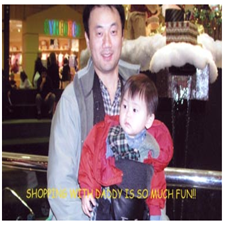
사진 설명을 입력하세요.
▴ 사진 76. 이렇게 집중적으로 사랑하는 아빠와 사랑받는 아들. 눈길 접촉 사랑, 신체적 접촉 사랑을 충분히 받지 못하고 집중적 관심적 사랑을 충분히 받지 못 하면 부모의 자녀사랑이 자녀에게 잘 전달되지 못했을 때는 자녀들은 ” 나를 사랑하느냐고 외칩니다.
Copyright ⓒ 2012 John Sangwon Lee, MD, FAAP
자녀는 불안하고 실망할 것입니다.
● 부모 여러분!
● 아시겠습니까?
● “나를 사랑하시나요?”라는 질문에 대한 부모의 답변이 매우 중요하다는 것을.
● 그 질문에 대한 부모의 답변은 자녀의 삶의 방향을 설정해 주는 데도 큰 영향을 미치기 때문입니다.
● 이 얼마나 중요한 부모-자녀 간의 질의응답입니까?
● 지금 이 시간.
● 부모 여러분!
● 마음속으로 한 번 연습하셔요.
● 엄마 아빠!
● “나를 사랑하시나요?”라고 10대 자녀가 갑자기 물었을 때 그 자녀에게 답변을 바로 “Yes”라고 답해 합니다.
● 앞에서도 거의 같은 말을 했지만 “자식 사랑하는 법을 모르는 부모가 어디 있느냐”고 저한테 반문하는 부모들도 있습니다.
● 모든 부모들은 자식을 사랑하는 법을 안다고 답변합니다.
● 그러나 대부분의 부모들은 10대 자녀들에게 부모의 자녀사랑을 효과적으로 전달하는 방법을 잘 모르고, 조건 없는 사랑이 무엇인지 진정한 사랑이 무엇인지 잘 모르고 있습니다.
● 그릇된 사랑이 무엇인지 모르고 있습니다.
● 자녀를 사랑하는 법을 초·중·고·대학교 정규 교과과정에서도 가르쳐 주지 않습니다. 이제 법으로 인성 교육을 하겠다고 하니 그것도 다행이라고 생각합니다.
● 아마 이런 글을 통해 배우시는 분들이 고작일 것입니다.
● “자녀사랑”이라는 주제로 저도 이 글을 쓰면서 많이 배웠습니다.
● 부모들이 자녀들을 올바르게 사랑하는 방법을 잘 모르는 그 중요한 이유들 중 하나는 10대 자녀들이 아직도 감정적으로 육체적으로 아이들의 속이라고 잘 모릅니다. 10대 자녀들은 영어로 Thirteen years(13세)에서 Nineteen years(19세)에 속하는 사춘기 자녀를 의미합니다.
● “청소년”이란 말이 있습니다.
● 소아는 무엇이고 청소년은 무엇인지, 또 아동이란 말은 혼동이 가는 말입니다.
● 이런 말 자체로 부모들은 청소년이 무엇인지 혼동합니다.
● 심지어 10대 자녀들에게 정신 심리 신체의 문제가 있을 때 소아청소년과 전문의에게 데리고 가서 도움을 받는 대신 성인들의 건강문제를 전적으로 전문하는 내과전문의에게 데리고 가는 부모들도 있습니다.
● 10대 아이들은 어린이들과 마찬가지로 정신적, 심리적, 신체적으로 성장발육하고 있는 소아들에 속합니다.
● 어린이들은 가진 문제들을 말로 표현하기보다 행동으로 더 많이 표현하고 필요한 것도 행동으로 요구할 때가 많습니다.
● 아시다시피 성인들은 그들의 감정을 행동보다 주로 말로 표출하고 필요한 것도 주로 말로 요구합니다. 성인들은 행동으로 정향되어 있는 것보다 말로 정향되어 있습니다.
● 예를 들면. 제가 한국에 와서 밤늦게 미국에 있는 제 집사람에게 여보!
● 나야 말하면서 전화하면. 제 집사람이 무슨 일이 있으세요?
● 이 한밤중에 “아니.”
● “여보! 보고 싶어서 전화했어.
● 당신을 사랑해!” 이 말에 아마 제 집사람은 하늘로 나라에 갈 듯이 아주 좋아할 것입니다.
● 그렇지만 7세 제 딸아이에게 “얘, 진이야! 아빠다. 네가 보고 싶어서 전화했다” 하면 그 딸아이의 반응을 상상하실 수 있을 것입니다.
● “예, 아빠! 고마워요” 할 것입니다. 그 아이의 반응은 제 집사람이 반응하는 만큼 하늘로 날아갈 듯이 아주 좋아하지는 않을 것입니다.
● 그 차이를 아시겠습니까?
● 성인인 제 집사람은 언어 우선적으로 정향되어 있어 “사랑한다.”는 말 그 자체가 상당히 강력한 의미를 지니고 있습니다.
● 그 반면에 제 딸은 아직도 어린아이이고 말보다 행동 우선적으로 정향되어 있습니다.
● 그 딸에게 “사랑한다.”말보다 눈길 접촉, 사랑 등 적절한 행동으로 사랑해 주는 것이 더 의미가 있습니다.
● 다시 말씀드리면 아버지의 자녀사랑을 딸에게 전달하는 것도 중요하지만 딸은 아버지의 순수하고 조건 없는 진정한 사랑을 진짜로 느낄 수 있도록 “사랑한다.”말로만 표시하는 것은 충분치 않습니다.
● 그들을 적절히 허그해 주고 뽀뽀를 해 주면서 그와 동시에 말로 사랑을 한다는 표시를 해주면 부모사랑이 더 강하게 전달되고 더 효과가 납니다.
● 10대 자녀들을 사랑한다고 말로 표현하고 적절한 신체적 접촉 사랑을 해줘야 그 부모의 사랑이 그들에게 더 잘 전달되어서 부모의 사랑을 더 잘 느낄 수 있고 받아들일 수 있습니다.
● 어떻게 생각하십니까?
● 여러분! 이해하실 수 있지요?
● 한번 실천해 보세요.
● 제가 14세 아들에게 전화해서 11세 딸에게 했던 말과 거의 비슷하게 사랑한다고 말했을 때도 14세 아들의 반응도 딸의 반응과 거의 같을 것입니다.
● 그렇지만 17세 된 큰딸에게 거의 같은 방법으로 전화해서 사랑하고 보고 싶다고 말했다면 그 전화는 큰딸에게 상당히 더 의미가 있을 수 있습니다.
● 그러나 제 집사람이 좋아했던 만큼 좋아하지는 않았을 것입니다.
● 10대 자녀를 사랑하는 마음을 부모들이 가슴속 깊이 간직하고 있는 것도 좋습니다.
● 마땅히 그렇게 해야 합니다.
● 그렇지만 그것만으로 충분치 않습니다.
● 10대 자녀에게 “너를 사랑한다.”라는 말로 사랑한다고 표현해서 그를 사랑하는 것이 대단히 중요합니다.
● 또 부모가 10대 자녀를 사랑한다는 것을 말로만 표시하는 것만으로 충분치 않습니다.
● 부모가 10대 자녀를 진심으로 사랑하고 있다는 것을 확실히 보고 들을 수 있고 알고 느낄 수 있도록 적절한 행동으로 10대 자녀에게 사랑을 표시하면서 사랑해야 합니다.
● 10대 자녀들의 대부분은 아직도 언어(말) 우선적으로 더 정향되어 있기보다 행동 우선적으로 정향되어 있다고 이미 말씀드렸습니다.
● 그 때문에 눈길 접촉과 신체적 접촉을 통한 행동으로 사랑해 주고 말로 사랑해 주어야만 그들은 부모로부터 부모사랑을 충분히 받고 있다는 것을 압니다.
● 그러면 그들의 마음속 깊이 지닌 “나를 사랑하시나요?”라는 중요한 질문을 더 이상 하지 않게 됩니다.
● 부모 여러분!
● 저의 제안을 지금 주저하시지 말고 받아 주십시오.
● 그러면 부모 여러분은 자녀 양육에 보람을 더 많이 느낄 것이고 자신감을 가지실 것입니다.
● 좋은 자녀 양육법이라고 생각하시면 받아들이셔야 합니다.
● 그들은 그렇게 사랑을 받고 싶지만 부모들은 거기에 미치지 못합니다.
● 저도 그렇게 자녀들을 사랑합니다.
● 눈길로, 신체적 접촉으로, 집중적 관심적 사랑과 보살핌으로 그들을 조건 없이 사랑해 줘 보세요. 아이들의 행동과 말의 방향에 금방 변화가 생길 것입니다.
● 자녀들은 행복할 것이고 엄마 아빠도 행복할 것입니다.
● 천하 금은보화를 다 갖고 있지만 자녀 문제로 행복하지 않은 부모가 되고 싶지 않을 것입니다.
● 10대 자녀들은 아직도 감정적으로 아이들의 속입니다.
● 때문에 부모는 그들을 아이들로 취급해야 합니다.
● 눈길 접촉과 신체적 접촉사랑을 통해 적절한 행동으로 사랑하고 말로 사랑해야 부모의 자녀사랑이 그들에게 잘 전달됩니다.
● 부모가 10대 자녀를 사랑해 주는데 정다운 말, 사랑스런 눈길 접촉, 적절한 신체적 접촉, 집중적 관심적 사랑과 보살핌을 그때그때 적절히 사용해야 합니다.
● 자녀를 말로만 사랑한다고 하지 말고 눈길과 손길로 사랑해 주시고 집중적 관심적 사랑을 쏟아 적절한 행동으로 사랑을 표시해서 사랑하면 부모의 자녀사랑이 더 잘 전달됩니다.
● 10대 자녀들에게도 사랑을 저장하는 사랑 탱크가 있습니다.
● 이 사랑 탱크는 비유적인 말입니다.
● 그렇지만 개념은 아주 실질적입니다.
● 자녀들의 사랑 탱크를 조건 없는 진정한 사랑과 이해, 훈련, 수용, 사랑 교육으로 얼마나 많이 만족하게 채워주었느냐에 따라 그들은 삶에서 얼마나 만족하고 즐거운지 또 그들의 감정이 좋은지 좋지 않은지 차이가 납니다.
● 10대 자녀들이 순종적인지, 반항적인지, 투덜거리는지, 건방진지, 놀기만 좋아하는지, 수줍어하는지 등 그들의 행동에 크게 영향을 미칩니다.
● 당연히 그들의 사랑 탱크가 조건 없는 진정한 사랑으로 더 가득히 차 있을수록 10대 자녀의 감정은 보다 더 긍정적일 것이고 행동의 대부분이 바람직할 것이고 최선을 다하고 건전한 자부심을 가질 것입니다.
● 사랑 탱크가 가득히 채워 있을 때만 10대 자녀는 스스로 최고라고 느낄 수 있고 무엇을 하든지 최선을 다할 것이라고 기대할 수 있습니다.
● 10대 자녀의 사랑 탱크를 가득히 채워 주기 위해 부모는 부모의 모든 권리와 책무를 다해야 합니다.
● 그들이 필요할 때 그들이 부모 옆으로 언제든지 다시 올 수 있게 항상 부모는 준비하고 서 있어야 합니다.
● 그래야만 그들이 나를 사랑하시느냐는 질문을 했을 때 “그렇다”라고 답변할 수 있습니다.
● 부모 여러분!
● 부모들의 별거, 이혼, 가정의 파탄은 10대 자녀들의 평안과 안정감을 산산이 부서뜨립니다.
소스와 참조 문헌; 10대 아들딸 이렇게 키워라 Ross Campbell.MD 저. 이상원 옮김, 서문당
Copyright drleepediatrics.com 2/25/2026
Mom and Dad, do you love me?
‘Raise your sons and daughters with unconditional, true love, and character education like this’ – Text excerpted from Yangseogak Publishing
Please enter photo description.
▴ Figure 172. Worked to pay taxes for 109 days out of 365 days a year.
Statistics released in 2003 showed that Americans spent the most days of their daily lives paying taxes.
Worked to pay taxes for 109 days out of 365 days a year.
And it is said that they spent their days on other tasks as follows.
a: 74 days to pay taxes to the U.S. federal government,
b: 35 days to pay state or local taxes,
c: 61 days to manage the house or do housework,
d: 47 days to do various odd jobs,
e: 44 days for medical expenses,
f: 30 days to eat,
g: 21 days for recreation and hobbies,
h: 28 days to pay for transportation,
i: 14 days for clothes and related items,
j: 11 days for savings
Source – Tax Foundation
● Do you love me? The answer to this question is “Absolutely.” It must be “Yes.”
● After being asked this question by your child, Mom and Dad must immediately and voluntarily say, “I love you.”
● Try practicing this right now.
● Moms and dads who have raised their children with genuine, unconditional love—through loving eye contact, loving physical contact, and loving care with intense attention—will answer without hesitation, “Yes, I do.”
● That answer requires no lengthy explanation.
** ● Immediately after answering “Yes,” wait quietly for a moment.
● The child will then likely fall deep into thought or reflect on why such a question was asked.
● If your child asks why you are asking such a question, or if they answer “No,” please consult with a pediatrician or a parenting expert.
● Otherwise, engage in a conversation with your teenager.
● You might ask, “How should I go about having that conversation?”
● Try conversing with them while offering your undivided attention, deep interest, and love.
● Take the opportunity to comprehensively re-evaluate both the positive and negative aspects of the parenting you and your spouse have provided.
● Parents, do you know what one of the most important questions is—the one that your teenagers hold deep within their hearts?
● Mom and Dad!
● It is: “Do you love me?”
● Children—especially teenagers—carry this question in their hearts at all times.
● In fact, the teenagers themselves may not even realize they are harboring this question.
● “Do you love me?”
● They are constantly asking this of their parents.
● They feel an even stronger urge to ask this question—either aloud or silently—when their parents’ marriage is strained, or when they themselves are feeling lonely, distressed, or anxious.
● A parent’s answer to this question is profoundly important to a teenager’s life.
● While they may sometimes voice this question verbally, they often express it through their actions or body language.
[Insert Photo Caption Here]
▴ Photo 75: Do You Love Me?
Copyright ⓒ 2015 John Sangwon Lee, MD, FAAP
“Do you love me?”
● A parent’s response to this question holds immense significance for them.
● If the answer is “No,” the teenager will likely feel deeply disappointed and anxious.
● A child may feel as though they were simply “picked up off the street”—an unwanted child, a child born without being desired, or someone placed dead last on the list of their parents’ most important priorities.
● Naturally, such a child will not be happy.
● They will not feel a sense of self-worth, nor will they be able to give their best effort in whatever they do.
● Parents ought to be able to answer—unequivocally—with a resounding “Yes.”
● Now, let us shift our focus to the love between a married couple.
● Imagine, for instance, that a wife suddenly asks her husband one day: “Do you love me?”
● He might reply: “I told you I loved you on our wedding day. Why are you asking me that question again now?”
● How would the wife interpret such a response? How would she feel?
● What kind of emotional impact would it have if he simply answered, “Why are you asking a question like that?”
● The same principle applies to the relationship between spouses: if the husband answers with a firm “Yes”—saying, “Of course I love you!”—and immediately follows it up with a warm embrace, his wife will be absolutely overjoyed—she will feel as if she is floating on air.
● And yet—in this day and age—there are surprisingly few parents or couples who are able to give such a definitive “Yes.” Why is that?
● Let us return, once again, to the case of teenage children.
● In truth, the vast majority of parents who struggle to give a definitive “Yes” actually love their teenage children very deeply.
● Even those who fail to articulate a clear “Yes” are, in reality, raising their teenagers with unconditional, heartfelt, and doting love.
● The problem, however, is that most parents simply do not know how to effectively convey that love to their teenage children.
● When I suggested to parents that they read *How to Raise Your Teenage Sons and Daughters*—recommending it as an excellent guide to child-rearing—I encountered certain “intellectuals” (?) who would immediately size me up from head to toe and retort, “Is there anyone who *doesn’t* know how to raise a child?”
● There have been times when I regretted my actions, thinking, “I really wasn’t very humble back then!”
● I realized I should have simply kept my mouth shut; reading the book would have been enough.
● Even now, I often reflect on this.
● If a teenager grows up with the firm conviction that they are receiving true, unconditional love from their parents, they will never feel the need to ask, “Do you love me?”
● Should a parent ever receive such a question from their teenager, they would be able to answer immediately and without hesitation: “Yes! Of course, I love you.”
● However, parents who raise their teenagers with conditional love would likely be unable to provide such a confident, unequivocal answer right away.
● When a teenager asks their parents, “Do you love me?”—and the answer they receive is uncertain—that teenager…
[Enter Photo Caption]
▴ Photo 76. A father offering his undivided love, and a son receiving it. When children do not receive sufficient love through eye contact and physical touch—and when they lack adequate focused attention—the love parents hold for their children fails to be effectively conveyed to them. In such moments, children cry out: “Do you love me?”
Copyright ⓒ 2012 John Sangwon Lee, MD, FAAP
The children will feel anxious and disappointed.
● Parents!
● Do you realize?
● Do you realize just how crucial a parent’s response is to the question, “Do you love me?”
● This is because a parent’s answer to that very question exerts a profound influence on shaping the direction of a child’s life.
● What a critically important exchange—this dialogue between parent and child!
● Right here, right now…
● Parents!
● Take a moment to practice this in your minds.
● Moms and Dads!
● If your teenage child were to suddenly ask, “Do you love me?”—you must answer them immediately with a resounding “Yes.”
● As I have mentioned previously—though in slightly different words—there are parents who push back against me, asking, “Is there really any parent who doesn’t know how to love their own child?”
● Indeed, every parent would answer that they *do* know how to love their children.
● However, the majority of parents do not truly understand how to effectively convey that love to their teenage children; nor do they fully grasp the nature of unconditional love or what constitutes true love.
● They fail to recognize what constitutes a misguided form of love.
● The art of loving one’s children is not taught within the standard curricula of elementary, middle, or high schools—nor even at the university level. Now that there is talk of mandating character education through legislation, I consider that, at least, to be a step in the right direction.
● It is likely that those reading articles such as this are the very ones who stand to learn the most.
● Indeed, while writing this piece on the subject of “loving one’s children,” I, too, learned a great deal.
● One of the key reasons why parents often struggle to understand how to love their children correctly is that they fail to recognize that their teenage children—those aged 13 to 19—are, at their core, still children in both an emotional and physical sense.
● We have a specific term for this group: “adolescents.”
● However, the distinctions between “children,” “adolescents,” and “youth” can be confusing and easily conflated.
● The very terminology itself often leaves parents feeling bewildered as to what exactly constitutes an adolescent.
● In fact, when teenagers face mental, psychological, or physical health issues, some parents—rather than seeking help from a pediatrician or adolescent medicine specialist—mistakenly take them to an internist, a physician whose expertise lies exclusively in adult health conditions.
● Yet, just like younger children, teenagers are still in a developmental stage; they are individuals—classified as children—who are actively growing and maturing mentally, psychologically, and physically.
● Unlike adults, children tend to express their problems and needs primarily through their behavior rather than through verbal communication.
● As you know, adults typically express their emotions and articulate their needs through words rather than actions; they are, by nature, more verbally oriented than behaviorally oriented.
● For instance: Suppose I am here in Korea, and late one night I call my wife back in the U.S.
● If I simply say, “Honey? It’s me,” she might ask:
● “Is something wrong? Why are you calling in the middle of the night?”
● To which I might reply: “No, nothing’s wrong.”
● “Honey, I just called because I missed you.”
● “I love you!”—Upon hearing those words, my wife would likely be absolutely delighted—so happy, in fact, that she might feel as though she were floating on air.
● However, if I were to call my seven-year-old daughter and say, “Hey, Jina! It’s Dad. I called because I missed you,” you can likely imagine her reaction.
● She would say, “Yes, Dad! Thank you.” Her reaction, however, wouldn’t be quite as ecstatic—as if she were floating on air—as my wife’s reaction was.
● Do you see the difference?
● As an adult, my wife is primarily oriented toward language; thus, the words “I love you” themselves carry significant power and meaning for her.
● My daughter, on the other hand, is still a young child and is oriented more toward actions than words.
● For her, expressing love through appropriate actions—such as making eye contact or offering affection—is far more meaningful than simply saying, “I love you.”
● In other words, while it is certainly important for a father to verbally express his love to his daughter, simply saying “I love you” is not enough to ensure she truly feels that pure, unconditional, and genuine love.
● If you accompany your verbal expressions of love with appropriate physical gestures—such as a hug or a kiss—your parental love will be conveyed much more powerfully and effectively.
● When expressing love to teenage children, it is essential to combine verbal affirmations with appropriate physical affection; this ensures that your love is communicated more effectively, allowing them to truly feel and accept it.
● What do you think?
● Everyone—does that make sense to you?
● Why not give it a try?
● If I were to call my 14-year-old son and tell him I loved him—using words almost identical to those I used with my 11-year-old daughter—his reaction would likely be very similar to hers.
● However, if I were to call my 17-year-old eldest daughter in much the same way—telling her that I loved her and missed her—that phone call might hold significantly more meaning for her.
● Yet, even then, she likely wouldn’t be quite as delighted as my wife was. ● It is certainly good for parents to cherish a deep love for their teenage children within their hearts.
● Indeed, that is precisely what they ought to do.
● However, that alone is not enough.
● It is vitally important to express that love to your teenage children—to actually *show* them you love them—by explicitly saying, “I love you.”
● Furthermore, merely expressing love for your teenage children through words alone is insufficient.
● You must demonstrate your love through appropriate actions—actions that allow your teenagers to clearly see, hear, know, and feel that you truly love them with all your heart.
● As I have mentioned before, most teenagers are still oriented more toward actions than toward words.
● For this reason, they will only feel that they are receiving sufficient love from their parents if that love is expressed through both actions—such as eye contact and physical touch—and words.
● Consequently, they will no longer harbor that critical question deep within their hearts: “Do you really love me?”
● Parents!
● Please do not hesitate; accept my suggestion right now.
● If you do, you will find greater fulfillment in raising your children and gain a renewed sense of confidence.
● If you believe this constitutes a sound approach to parenting, you must embrace it.
● Teenagers yearn to be loved in this manner, yet parents often fall short of meeting that need.
● I, too, strive to love my own children in this very way.
● Try loving them unconditionally—through eye contact, physical touch, and focused, attentive care. You will witness an immediate shift in the direction of your children’s behavior and speech.
● Your children will be happy, and you—Mom and Dad—will be happy as well.
● After all, surely you would not wish to be a parent who possesses all the gold and treasures in the world, yet remains unhappy due to issues concerning your children.
● Teenagers, despite their age, remain emotionally childlike on the inside.
● Therefore, parents must continue to treat them as children.
● To effectively convey their love, parents must express it through appropriate actions—specifically, through loving words, eye contact, and physical affection.
● When showing love to their teenagers, parents must appropriately and consistently employ affectionate words, loving eye contact, suitable physical touch, and focused, attentive care.
● Rather than merely claiming to love their children with words alone, parents should demonstrate that love through their gaze and touch, pouring out focused attention and affection through concrete actions; this ensures that the parents’ love is truly and deeply received by their children.
● Teenagers, too, possess a “love tank”—a reservoir for storing love.
● While the term “love tank” is a metaphor,
● the concept behind it is very real and tangible.
● The degree to which a teenager’s love tank is filled—with unconditional, genuine love, understanding, guidance, acceptance, and emotional nurturing—determines their overall satisfaction and joy in life, as well as the stability and positivity of their emotional state.
● This factor significantly influences their behavior—determining whether they are obedient, rebellious, prone to grumbling, insolent, solely interested in play, or shy and withdrawn.
● Naturally, the more fully a teenager’s love tank is filled with unconditional, genuine love, the more positive their emotional outlook will be; consequently, the majority of their behaviors will be constructive, and they will be motivated to give their best effort and cultivate a healthy sense of self-worth.
● It is only when their love tank is filled to the brim that teenagers can truly feel a sense of personal excellence and can be expected to give their absolute best in whatever they undertake.
● To ensure their teenage children’s “love tanks” are filled to the brim, parents must fully discharge all their parental rights and responsibilities.
● Parents must always stand ready, ensuring that whenever their children are in need, they can return to their parents’ side at any time.
● Only then—when their children ask, “Do you love me?”—can parents answer with a resounding “Yes.”
● Parents!
● Parental separation, divorce, and the breakdown of the family shatter the peace and sense of security of teenage children.
Source and References: *Raising Your Teenage Son and Daughter* by Ross Campbell, M.D.; Translated by Lee Sang-won; Seomundang Publishing.
Copyright drleepediatrics.com 2/25/2026