집중적 관심적 사랑과 보살핌을 자녀들에게
Focused attention, love, and Care for children
‘아들 딸 조건 없는 진정한 사랑으로 키우세요 그리고 인성교육은 이렇게‘ 양서각 출간에서 퍼온 글’
● 엄마나 아빠가 한 자녀와 함께 시간을 보내면서 이 세상에서 가장 소중한 자녀라고 인정하면서 그 자녀를 극진히 보살피고 사랑하는 것을 집중적 관심적 사랑(Focused attention love)이라 한다.
● 좀 이상적인 자녀 사랑인 것 같지만 집중적 관심적 자녀 사랑의 효과는 너무 크다.
● 한 부모가 한 자녀에게 집중적으로 관심을 갖고 그 자녀를 보살피고 부모의 사랑을 온통 쏟아주면서 그 자녀는 이 세상에서 가장 중요한 존재라고 느낄 수 있게 사랑해 주면 그 자녀는 부모에게 가장 소중한 자녀라고 느낄 수 있게 된다.
● 한 자녀가 한 부모와 단둘이 있을 때 그 자녀는 편안함을 느끼고 행복하고 신이 날 것이다. 그 자녀는 또한 최고라고 느낄 수 있을 것이다.
●
▴ 사진 62. 그 어느 날 아빠랑 나는 단둘이서 등산을 했지요. 그 얼마나 쿨했는지! 어깨를 만져 주고 손을 꼭 잡아 주고 그 얼마나 즐거웠는지! 나를 번쩍 들어 목에 태우고 개골창을 건넜던 그때! 큰 바위에 앉아 큰 양팔로 나를 꼭 껴안고. “나는 너를 사랑한다.” 뽀뽀해 줄 때 볼이 수염에 꾹꾹 찔렸더라도 즐거웠어요.
아빠와 단둘이서 산보했던 그때 얼마나 행복했는지! 아빠는 나를 사랑했지요. 아빠! 아빠! 나도 오션 마취(Ocean Much), 마운틴 마취(Mountain Much)사랑해요
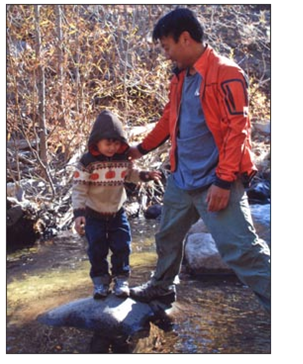
사진 설명을 입력하세요.
Copyright ⓒ 2012 John Sangwon Lee, MD, FAAP.
모든 자녀는 태어날 때부터 부모로부터 보호와 인정, 보살핌과 사랑, 애정과 동정을 받을 권리를 지니고 태어난다. 부모는 그렇게 해 줄 의무가 있다. 이런 의미에서 완전한 부모가 되기가 어렵다.
● 매우 활동적이고 몹시 바쁜 삶에서 부모가 시간을 따로 내서 한 자녀에게만 집중적으로 사랑과 관심을 쏟아주고 그 자녀만 보살펴주는 집중적 관심적 사랑은 눈길 접촉으로 자녀를 사랑하거나 신체적 접촉으로 사랑해 자녀를 사랑 해주는 데 비해 자주 해주기가 상당히 어렵다.
● 그러나 집중적 관심적 사랑은 자녀 양육에서 빼놓을 수 없는 가장 중요한 근본 필수품이다.
● 또한 집중적 관심적 사랑은 모든 자녀들에게 꼭 필요한 자녀사랑 방법이다.
● 집중적 관심적 사랑은 자녀 양육에 극도로 중요한 자녀 양육 방법인데도 이런 자녀 양육 방법이 있는 지 어떻게 하는 지 얼마나 많이 해 줘야 되는지 알지 못하고 부모 노릇을 하는 부모들이 그렇게 많은 것은 놀라운 일이다.
● 그런데도 집중적 관심적 사랑을 하는 방법을 배워 적어도 한 번 실행해 보려고 노력도 않는 부모들도 많이 있다.
● 150명의 미 교포 한인 성인들에게 나서부터 18세가 될 때까지 단 한 소아청소년 자녀와 단 한 부모가 같이 단 하루 동안이라도 여행을 가서 자녀 부모 단둘이서 즐겁게 시간을 보냈던 적이 있었느냐는 질문을 했다.
● 150명의 미 교포 한인 성인들 중 3명이 초·중학교 때 한 부모와 같이 여행 가서 즐겁게 시간을 둘이서 보냈다고 답했다.
● 이렇게 설문조사에 참여했던 미 교포 성인들이 어렸을 때 부모들로부터 집중적 관심적 사랑을 거의 받지 못하고 자랐다는 것은 놀랄 만한 사실이었다.
● 그러나 그 성인들의 자녀들 역시 집중적 관심적 사랑을 그들의 부모들로부터 받지 못하고 자랐었다는 것을 알고 마음이 무척 아팠다.
● 우리 부모 모두는 알게 모르게 자녀에게 사랑을 온통 쏟아주면서 부모 노릇을 하고 있다.
● 그러나 우리 부모들은 자녀를 양육할 때 집중적 관심적 사랑이 그들의 자녀들이 성장 발육에, 특히 정신 정서 건강에 얼마나 긍정적으로 많이 영향 주고 있는지 사실 확실히 모르고 있다.
● 한 부모가 집중적 관심적 사랑과 보살핌을 한 자녀에게 집중적으로 해 줄 때 부모와 자녀 간의 의사소통을 하는 데 가장 중요한 대화 수단이란 것도 잘 모른다.
● 자녀들의 행복의 정도, 정신적으로 정서적으로 안정감을 갖고 자라는 정도는 부모로부터 집중적 관심적 사랑을 얼마나 많이 받으면서 성장발육하고 있느냐에 따라 많이 좌우된다.
● 자녀들이 성장하는 동안 집중적 관심적 사랑과 보살 핌, 눈길 접촉사랑, 신체적 접촉사랑, 사랑으로 받은 훈련은 자녀들의 양육에 필수품이다.
● “우리 부모들은 나를 사랑하지 않는다.”, 또는 “우리 부모들은 나에게 관심이 없다.” 이런 말은 요즘 10대 아이들(13-18세 연령층)이 흔히 하는 말이다.
● 이 말 속에 여러 가지 의미가 들어 있다.
● 거기에는 우리 부모들은 나에게 관심도 없고 나하고 한 번도 어디를 가지도 않고, 또 나와 같이 놀지 않는다는 불평불만이 들어 있을 수 있다.
● 엄마 아빠는 자신의 즐거움을 누리기 위해 디너파티, 결혼파티, 동창회 모임, 클럽 활동 등에 자주 가고, 등산 가고 낚시질 가고, 운동하러 가고, 심지어 외국 여행도 한다.
● 그러나 성장하는 어린 소아청소년 자녀들을 집에 놓고 간다.
● 또 외국 골프 여행도 간다.
● 가족이 아닌 누구와 아침식사, 점심식사, 저녁식사 등 외식을 자주 한다. 여기에 자녀는 끼어 있지 않다.
● 어떤 부모들은 다른 방법으로 자녀들과 동반하지 않고 즐겁고 풍요롭게 시간을 보낸다. 비록 짧은 시간이라도 부모와 자녀가 하이킹할 때, 아빠는 앞에서, 어린 유아 자녀는 뒤에서 또는 옆이나 앞에서 떨어져 걷고 있다. 서로 손을 붙들고 걷지 않는다. 눈길 접촉 사랑, 신체적 접촉 사랑을 부모가 해 주는 모습을 찾기 어렵다
● 용서를 구하면서, 나의 개인 경험담을 드리고 싶다., 1991년 8월에 “10대 아들 딸 이렇게 키워라 (How to Really Love Your Teenager,” Ross Campbell, MD)를 서울 서문당에서 출간했다.
사진 설명을 입력하세요..
▴ 사진 63. 친구들을 초청하고 집안 식구가 모여 생일 잔치를 해 주는 것도 집중적이고 관심 있는 사랑이다.
Copyright ⓒ 2015 John Sangwon Lee, MD, FAAP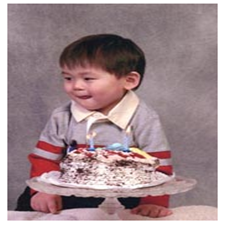
사진 설명을 입력하세요.
▴ 사진 64. 친구들을 초청하고 집안 식구가 모여 생일 잔치를 해 주는 것도 집중적 관심적 사랑이다.
Copyright ⓒ 2015 John Sangwon Lee, MD, FAAP
● 그날 바로 “아들딸 이렇게 키워라” 라는 주제로 대전 YMCA에서 무료 세미나를 갖고 거기에 참석한 수십 명에게 그 책 한 권씩 무료로 증정했다.
● 그날 나는 친척 여동생과 함께 호남선 기차편으로 대전에서 서울로 왔다.
● 나는 친척 여동생과 자녀 양육에 관해 잠시 동안 대화를 했다. 그 여동생은 한국에서 유명한 여자 상고를 나왔고 서울 모 은행에서 오랫동안 근무했다. 인물도 뛰어나고 미모였다.
● 부자 집 아빠의 슬하에서 자란 친척 동생이었다.
● 나와 대화를 하는 중 “오빠! 오늘 세미나에서 집중적 관심적 사랑이 자녀 양육상 그렇게도 중요하다고 하셨는데 저도 오빠 말이 맞는다고 생각해요.
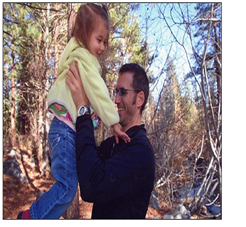
사진 설명을 입력하세요.
▴ 사진 65. 우리의 삶에서 자녀는 무엇보다 우선순위이다. 돈보다도 명예보다도 기업보다도 더 앞서가는 우선순위에 있다.
Copyright ⓒ 2015 John Sangwon Lee, MD, FAAP
제가 자랄 때 우리 아빠는 저를 데리고 한 번도, 한 시간 동안도, 어디를 데리고 가서 집중적 관심적 사랑을 저에게 해 주신 적도 없고 아빠가 나하고 다만 한 시간 동안이라도 한 번도 같이 집에서 놀아 준 적이 없어요.
● 이때 눈물이 뺨으로 흘러내리는 것을 봤다.
● 그러나 우리 아빠는 2대 독자인 아들 오빠 하나만 그렇게 애지중지 사랑하면서 키웠지만 아버지는 그 오빠를 어디에 데리고 가신 적이 한 번도 없었어요.
● 그래서 나는 내 자식들을 그렇게 키우지 않으려고 노력하고 있어요.”
● 이때는 두 눈에서 눈물이 주르륵 더 흘러나왔다.
● 이미 위에서 언급한 말, ” 태어날 때부터 자녀들은 부모로부터 보호, 인정, 보살핌, 집중적 사랑을 받을 권리가 있다.
● 또한 부모들은 자녀들에게 이런 집중적 사랑과 보살핌을 충족시켜 주어야 할 의무가 있다”라는 말을 다시 한 번 더 반복하고 싶다.
● 요즘 많은 부모들은 자녀들에게 집중적 관심적 사랑을 해 주지 않는다.
● 또 해 주려고 해도 해 줄 시간이 없다고 한다.
● 자녀에게 집중적 관심적 사랑을 해 주는 대신 장난감을 많이 사준다든지, 좋은 옷, 또는 컴퓨터, 오디오 게임기, 자동차 등 물질적인 것으로 집중적 관심적 사랑을 대치하기도 한다.
● 일반적으로 많은 부모들이 하기 어려운 특수교육, 좋은 학교에 보내거나 외국 조기 유학을 보내어 특별히 교육을 시킴으로써 집중적 관심적 사랑을 대치하려는 경향이 있다.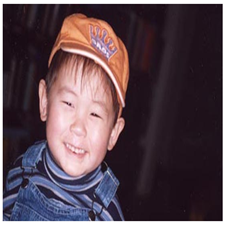
사진 설명을 입력하세요.
▴ 사진 66. 조건 없는 진실한 사랑을 충분히 받고 자라는 아이들은 건전한 자존심을 풍부히 가지고 자기를 사랑하고 남을 사랑할 줄 안다.
Copyright ⓒ 2015 John Sangwon Lee, MD, FAAP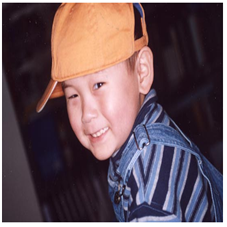
사진 설명을 입력하세요.
▴ 사진 67. 조건 없는 진실한 사랑을 충분히 받고 자라는 아이들은 건전한 자존심을 풍부히 가지고 자기를 사랑하고 남을 사랑할 줄 안다.
Copyright ⓒ 2015 John Sangwon Lee, MD, FAAP
● 물론 자녀들에게는 좋은 교육도 필요하고 좋은 장난감도 좋은 의식주도 필요하다.
● 물론 부모에게도 여가가 필요하다.
● 부모가 집중적 관심적 사랑을 자녀에게 직접 해 주지도 않고 그 대신 물질적인 것으로 대치해 주는 것은 절대적으로 큰 잘못이다.
● 자녀들에게는 물론 좋은 교육, 좋은 옷, 집, 장난감 등 적절한 물질적인 면도 필요하지만 집중적 관심적 사랑과 보살핌은 그들에게 절대적으로 필요하다.
● 오늘날 부모들은 자녀들에게 집중적 관심적 사랑을 적절히 해주어야 자녀들이 정상적으로 잘 성장한다는 것을 잘 알고 있지만 집중적 관심적 사랑을 그렇게 해주는데 어려움을 갖는 사회에서 살고 있는 것 큰 문제이다.
● 이런저런 이유로 집중적 관심적 사랑이 자녀 양육에 중요하다는 것을 알면서 집중적 관심적 사랑을 해 주지 못하는 부모들도 많다.
● 자녀들을 집중적 관심으로 사랑해 주기 위해 격동하는 삶에서 부모들은 시간을 따로 내어 한 자녀와 시간을 둘이서 보내야 한다.
● 집중적 관심적 사랑을 해 주려면 대개의 경우, 그냥 몇 분 동안이 아니고 적어도 여러 시간 동안 또는 여러 날이 필요하다.
● 그런데 부모가 한 자녀와 같이 보내야 할 시간 말고 부모가 해야 할 일이 너무도 많다.
● 금방 벨 소리가 나면 전화도 받아야 한다.
● 차를 닦고 차에 가스도 넣어야 한다.
● 부모님의 생일에 꽃을 보내고 부모님의 생일에 축하 케이크도 보내야 한다.
● 동창회 모임에도 가야 한다.
● 할 일이 너무 많다. 교회에 가서 예배도 봐야 한다.
● 그러므로 부모들은 바쁜 삶에서 해야 할 우선순위를 정할 수밖에 없다.
● 우선순위를 정하고 그 우선순위에 따라 하나하나 일을 처리해 나갈 수밖에 없다.
● 이것이 자녀 양육에 절대적으로 필요한 것이다.
● 자녀 양육뿐만 아니라 각 개인의 삶에서도 극히 필요하다.
● 즉, 부모들은 삶에서 우선순위를 정하는 것부터 해야 한다.
● 집을 짓기 바로 전에 집을 짓는 데 필요한 설계부터 해야 한다.
● 우리의 삶에서 우선순위는 각 개인에 따라 다르고 차이가 있다.
● 그러므로 당신의 우선순위를 다른 사람이 정해 줄 수 없다.
● 당신 자신이 정해야 한다.
● 영적인 삶이 부모에게 얼마나 중요한가에 따라 우선순위가 다를 수 있다.
● 각자의 인생관에 따라, 종교관에 따라 각자의 우선순위가 다를 수 있다.
● 사는 시대와 나라에 따라 우선순위가 다를 수 있다.
● 이 세상에서 하나님을 믿고 행복하게 살고 성공적으로 사는 사람들의 우선순위를 예를 들면. 하나님, 나, 부인이나 남편, 자식이 그들의 삶의 순서이다.
● 따지고 보면 하나님, 나, 그리고 부인이나 남편 이외에는 이 세상에서 자식보다 더 앞서가는 우선순위는 없다.
● 소아청소년과 진료를 하는 동안, 또는 “자녀를 어떻게 사랑해서 키워야 하나”에 관해 세미나를 하면서 삶의 우선순위에 관해서 설문조사를 했다.
● 그 설문조사의 결과에 의하면 “자식보다도 돈을”, “부인보다도 명예를”, ” 남편보다도 자식이” 더 앞서가는 우선순위를 정하고 산다는 답을 한 부모들도 있었다.
● 다행히도 내가 나의 삶의 우선순위에서 제일 중요한 우선순위에 있고 그 다음 남편이나 부인, 그리고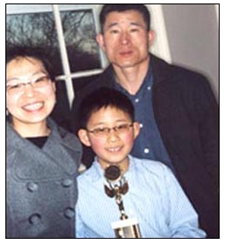
사진 설명을 입력하세요.
▴ 사진 68. 우리의 삶에서 할 일들이 너무도 많다. 우리는 우선순위를 정해야 한다. 돈도 중요하고 명예와 직장도 중요하다. 그러나 우리의 삶에서 자녀는 무엇보다도 더 중요한 우선순위에 있다. 그들을 집중적으로 보살피고 사랑해 주어야만 그들은 최선을 다하고 건전한 자존심을 갖고 자란다.
Copyright ⓒ 2015 John Sangwon Lee, MD, FAAP..
그 다음은 자녀가 나의 삶에서 가장 중요한 우선순위라고 답한 부모들이 가장 많았다.
● 여러분들은 삶에서 우선순위를 어떻게 정했습니까?
● 사실상, 격동하는 이 사이버 지구촌, 이 사회에서 눈코 뜰 새 없이 바쁜 삶에서 만사를 제쳐놓고 한 부모가 한 자녀만 데리고 둘이서 몇 시간, 또는 며칠 동안 보내면서 그 자녀를 극진히 보살피고 사랑해주기 위해 시간을 따로 만들어 놓는다는 것은 여간 어려운 일이 아니다.
● 부모가 눈길 접촉 사랑으로 자녀를 사랑해 주고 신체적 접촉 사랑으로 자녀를 사랑하는 데는 시간이 별로 들지 않는다.
● 그러나 집중적 관심적 사랑을 해주고 보살핌을 해 주는 데는 시간이 많이 든다. 시간은 금이다.
● 우리 모두는 1년에 365일, 1주에 7일, 하루에 24시간을 공평하게 부여받았다.
● 그 주어진 제한된 시간을 쪼개어 자녀에게 집중적 관심을 쏟고 사랑할 수 있는 시간으로 쓴다는 것은 누구에게나 그렇게 쉬운 일이 아니다.
● 이런저런 이유로 자녀들에게 극히 필요한 집중적 관심적 사랑을 충분히 해 주지 못하고 사는 부모들이 너무도 많다.
● 하루는 뉴욕 공항에서 한국에서 온 친구가 갑자기 전화했다. 내일 오후 6시에 자기를 뉴욕 공항에서 나의 집으로 데려가라고 부탁했다. 친한 친구가 한국에서 미국까지 와서 우리 집까지 온다니 반가웠다.
● 동네 소아과 의사와 번갈아 2십 년 동안 저녁 진료를 당번제로 소아과 진료를 했다.
● 그 당번 진료 스케줄에 따라 내가 내일 저녁 진료 당번이었다.
● “내가 내일 진료 당번이었기 때문에 조금 후 답변을 해 주겠다”고 말한 후 전화를 끊었다.
● 그 후 바로 같은 동네 소아과 의사 켈리를 불러 “내일 몇 시간 동안 나 대신 진료 당번을 해주면 상당한 보상을 지불하고 차후 그의 진료 당번 날에 내가 그 의사 대신 진료 당번을 해 주겠다“고 사정을 했다.
● 그는 “할 수 없다”고 딱 잘라 말했다.
● 그 이유는 간단했다.
● 자기는 “내일 오후 6살 먹은 딸 캐롤을 데리고 서커스 구경을 가기로 오래 전부터 약속했다”는 것이다.
● 소아과 진료를 하느라고 항상 바빠서 자녀들에게 집중적 관심적 사랑을 해주지 못해서 죄송스럽게 생각하고 있던 의사 켈리는 돈보다 친분보다 잘 아는 의사인 나의 부탁 보다, 나의 사정보다 어린 자기 딸 캐롤이 더 중요하다고 생각했다 .
● 그리고 어린 딸 캐롤에게 했던 약속을 어길 수 없는 등 여러 상황에 대처한 의사 켈리의 결정은 아주 적절했다고 나는 생각했다.
● “먼저 나를 다스리고 가족을 다스리고 그다음 치국을 하라”는 동양의 유교 사상과 교훈도 여기에 적용되고 있다.
● 부모들은 집중적 관심적 사랑을 하는 기회를 이용해서 자녀를 보다 더 보살펴주고 자녀와 대화를 더 많이 해서 심중 깊이 가지고 있는 생각을 더 많이 서로 나누면서 의사소통을 원만하게 할 수 있는 좋은 기회를 가질 수 있다.
● 또 집중적 관심적 사랑을 받는 자녀도 신이 날것이고 편안하게 느낄 수 있기 때문에 그 동안 가지고 있는 가슴속 깊이 지니고 있던 고민이나 번민꺼리든지 심적 육체적 고통, 그리고 사춘기 동안에 보통 흔히 생기는 문제 “사춘기 병”을 토로해서 부모에게 알릴 수 있고 부모가 들어 줄 수 있는 절호의 기회를 가질 수 있다.
● 집중적 관심적 사랑을 통해서 때로는 부모와 자녀 간 가장 좋은 대화를 할 수 있다.
● 자녀와 의사소통을 원만하게 하는 데 가장 좋은 자녀 양육 방법 중 하나가 바로 이 집중적 관심적 사랑이다.
● 그런데도 음식점에 한두 한두도 아닌 몇십 명의 젊은 부모들이 한두 시간도 아닌 여러 시간 동안 먹고 마시고 시간을 즐겁게 보낸다. 집에 있는 어린 자녀들은 누구로부터 집중적 관심적 사랑을 받고 있을까 생각해 봤다. 나의 삶에서 내가 가장 중요한 우선순위에 있으니까 그래도 된다고요?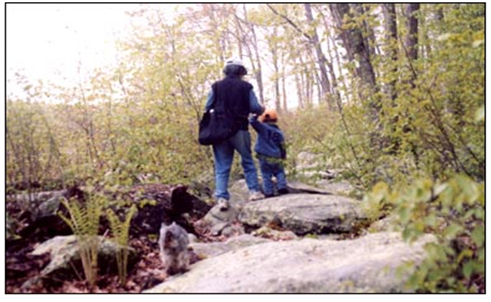
사진 설명을 입력하세요.
▴ 사진 69. 바쁜 생활 중에도 여러 자녀들 중 하나만 데리고 산보를 간다든지 낚시질을 데리고 가서 그 자녀가 이 세상에서 가장 중요하고 가장 사랑스런 자녀라고 느끼도록 보살피고 사랑해주는 것을 집중적 관심적 사랑이라고 한다. 이런 집중적 관심적 사랑을 자주 많이 해주기가 어렵지만 집중적 관심적 사랑을 적절히 잘 해주면서 눈길 접촉 사랑도 해주고 신체적 접촉 사랑을 동시에 적절히 잘 해주면 자녀들은 그들의 마음의 창문을 열고 마음 속 깊이 있는 그들의 문제를 부모들에게 토로해서 그 자녀들이 가지고 있는 번민, 고통, 갈등 등의 문제를 알아볼 수 있고 부모는 그 문제를 해결해주는 데 많은 도움이 된다.
Copyright ⓒ 2015 John Sangwon Lee, MD, FAAP
● 나는 대학교 1학년에 다니는 아들과 둘이서 골프를 쳤다.
● 골프를 치는 중 둘이서 이런저런 살아가는 이야기를 했다.
● 나보고 “동기들 중 누가 가장 성공했느냐고 아들이 묻기도 했다.”
● 성공한 동기 몇 명에 관해 간단히 말해 줬다.
● 내가 아들에게 걸 프렌드와의 관계가 요즘 어떠냐고 물어봤다.
● 아들의 답변은 이러했다.
● “더 이상 만나지 않고 있다”. 왜냐고 물었더니 “거짓말을 해서 만나지 않는다고 했다.
● 무슨 거짓말이냐고 물었더니,
● “담배를 피우면서 안 피운다고 거짓말을 했다.”고 말했다.
● 그 애가 담배를 피웠는지 어떻게 알았느냐고 물었더니 “키스를 할 때 담배 냄새가 났다”고 답했다.
● 이와 같이 사춘기가 막 지난 젊은 자녀나 사춘기 자녀와 단 둘이서 골프를 치면서 아빠가 자녀에게 집중적 관심적 사랑을 해주면 젊은 자녀도 사춘기 자녀도 자기가 가지고 있는 극히 사적인 프라이버시 문제를 부모에게 털어놓고 부모와 대화를 할 수 있는 기회를 가질 수 있다.
● 사춘기 전 한 자녀 또는 사춘기 자녀와 한 부모가 단 둘이서만 산보를 가거나 낚시질을 간다든지, 하루 동안, 또는 며칠 동안 여행을 간다든지, 한 자녀만 데리고 음식점에서 식사를 하면서 그 자녀를 즐겁게 해주면서 보살피고 사랑 해줄 때 그 자녀는 행복하다고 느낄 것이다.
● 이 때 한 부모가 한 자녀와 같이 있으면서 그 자녀가 이 세상에서 가장 소중하다고 느낄 수 있도록 집중적 관심적 사랑을 해주면서 좋은 눈길 접촉으로 사랑해주고 적절한 신체적 접촉으로 사랑해주고 보살피며 그의 사랑 탱크를 넘치도록 충분히 채워주면 더욱 좋을 것이다.
● 여러 자녀들 중 한 자녀만 데리고 시간을 따로 내서 집중적 관심적 사랑을 해 준다는 것은 더욱 어렵다.
● 때로는 다른 자녀들이나 식구들이 어떤 일로 어디를 가고 집안에 한 자녀가 혼자만 있을 때 한 부모가 그 자녀에게 집중적 관심적 사랑을 해 줄 수 있다.
● 때로는 두 부모가 함께 한 자녀에게 집중적 관심적 사랑을 할 수 있다.
● 부모와 식구들이 자녀의 생일에 생일 잔치를 해 주면서 그 자녀에게 집중적 관심적 사랑을 해 줄 수 있고, 멀리 여행을 갔다 돌아오는 날 “너를 환영한다.”고 쓴 깃대를 문간에 달아놓는 방법도 집중적 관심적 사랑을 해주는 방법들 중 하나이다.
● 저는 손님이 오시는 날 “당신이 우리 집에 오심을 환영한다.”는 깃대를 문 밖에 게양한다.
● 오시는 손님이 아주 좋아하신다고 생각한다.
● 그 외 자녀들에게 집중적 관심적 사랑을 해 줄 수 있는 기회를 일부러 찾아 그때그때 집중적 관심적 사랑을 해 줄 수 있다.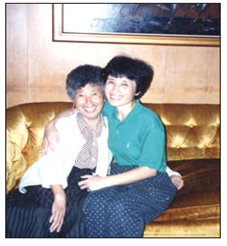
사진 설명을 입력하세요.
▴ 사진 70. 한국에서 방문한 친정어머님과 딸.
딸로부터 받는 신체적 접촉사랑 그리고 집중적 관심적 사랑과 보살핌을 받고 즐거워하는 고령 엄마. 할머니도 엄마도 사춘기 자녀도 어린 자녀도 집중적 관심적 사랑을 받으면 다들 좋아한다.
Copyright ⓒ 2015 John Sangwon Lee, MD, FAAP
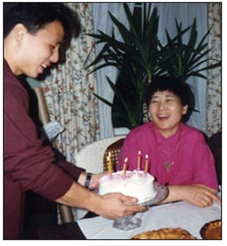
사진 설명을 입력하세요.
▴ 사진 71. 조카로부터 생일 케이크를 받고 눈길 접촉사랑, 집중적 관심적 사랑을 받고 즐거워하는 고모.
할머니도 엄마도 사춘기 자녀도 어린 자녀도 집중적 관심 사랑을 받으면 좋아한다.
Copyright ⓒ 2015 John Sangwon Lee, MD, FAAP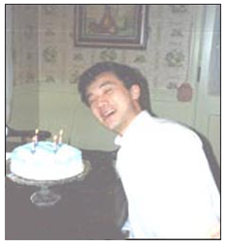
사진 설명을 입력하세요.
▴ 사진 72. 사춘기 아이의 생일을 축하하면서 집중적 관심적 사랑을 해줄 수 있다.
할머니도 엄마도 사춘기 자녀도 어린 자녀도 집중적 관심적 사랑을 받으면 좋아한다.
Copyright ⓒ 2015 John Sangwon Lee, MD, FAAP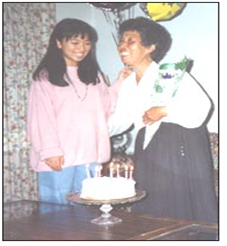
사진 설명을 입력하세요.
▴ 사진 73. 생신 잔치를 해 드리면 할머니도 좋아하신다.
이렇게 생일에 집중적 관심으로 보살펴 드리고 사랑한다.
할머니도 엄마도 사춘기 자녀도 어린 자녀도 집중적 관심, 사랑을 받으면 좋아한다.
Copyright ⓒ 2015 John Sangwon Lee, MD, FAAP
● 전 식구들이 모여서 졸업한 자녀에게 축하파티를 열어주는 것도 집중적 관심적 사랑에 속한다. 이런 때 한 자녀와 한 부모가 둘이서 같이 지내지 않지만 집중적 관심적 사랑을 해주는 한 예이다.
● 사춘기가 되면 사춘기 아이들은 그들대로 할 일에 관한 계획을 세우는 때가 많기 때문에 부모가 사춘기 자녀에게 집중적 관심적 사랑을 해주고 싶어도 해줄 수 없다.
● 부모들이 사춘기 아이들에게 집중적 관심적 사랑을 해 주려고 계획을 세우기도 한다.
● 그러나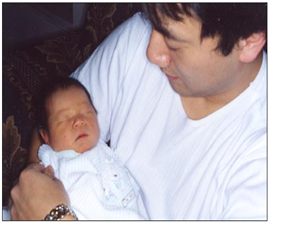
사진 설명을 입력하세요.
▴ 사진 74. 집중적 관심적 사랑과 보살핌을 해 아빠 Copyright ⓒ 2012 John Sangwon Lee, MD, FAAP 부모가 계획했던 집중적 관심적 사랑을 해 주는 기회들을 그들로부터 거절당할 수 있다.
● 그들이 부모로부터 집중적 관심적 사랑을 받기가 싫어서가 아니고 부모가 다 알 수 없는 사춘기 아이들이 개인적으로 해야 하는 일들이 많다.
● 사춘기 아이들도 그들의 삶에서 우선순위를 정하고 살아야 한다.
● 바로 이 때문에 그들은 부모가 해주고 싶은 집중적 관심적 사랑을 언제든지 받을 수 없고 때로는 부모와 같이 한가하게 시간을 보낼 수 없다.
● 이 세상에서 자녀 양육에서 이처럼 중요한 집중적 관심적 사랑을 한 번도 해 주지 못한 부모들도 있고 또 그런 사랑을 한 번도 받아 보지 못하고 자라는 아이들도 있다.
● 기본적으로 필요한 이런 집중적 관심적 사랑을 받지 못하고 자라는 아이들은 어디에서 그 사랑을 구할 수 있겠는가?
● 부모 대신 그런 사랑을 해 주겠다고 장담하는 사람들로부터 받는다.
● 부모 대신 그런 사랑을 해 주겠다고 장담하는 사람들, 우리 아이들 주위에 얼마든지 있다.
● 내 소중한 자녀가 나의 허락도 없이 어느 날 그들의 손아귀 속으로 끌려갈 수 있다고 생각할 때 그 얼마나 무섭고 가슴이 서늘한가.
● 사춘기 아이들을 포함한 어린 영유아기와 학령기 자녀들이 찾고 원하는 것은 돈보다도 명예보다도 그 무엇보다도 부모들의 따뜻한 눈길 접촉사랑, 적절한 신체적 접촉사랑 그리고 집중적 관심적 사랑과 보살핌이다.
● 그리고 거기다가 조건 없는 진정한 사랑으로 해 주는 부모의 훈련이다.
● “자녀를 어떻게 사랑해서 길러야 하나요?”와 “사랑” 항 등에 있는 “집중적 관심적 사랑” 참조.
Copyright drleepediatrics.com 2/25/2026
Focused Attention, Love, and Care for Children
Focused Attention, Love, and Care for Children
“Raise Your Sons and Daughters with Unconditional, True Love, and Character Education Like This”—Text excerpted from Yangseogak Publishing
● Focused attention love refers to a mother or father spending time with a single child, acknowledging them as the most precious child in the world, and loving and caring for them with utmost devotion.
● While this may seem like a somewhat idealistic way of loving a child, the effects of focused attention love are immense.
● When a parent focuses their attention on a single child, cares for them, and pours their entire love into them, loving them in a way that makes them feel like the most important being in the world, that child will come to feel that they are the most precious child to their parent.
● When a child is alone with one parent, that child will feel comfortable, happy, and excited. That child will also feel that they are the best.
▴ Photo 62. One day, Dad and I went hiking, just the two of us. How cool we were! He patted my shoulder, held my hand tightly—how much fun we had! That time he lifted me up and carried me on his neck to cross the ditch! Sitting on a big rock, he hugged me tightly with his big arms. “I love you.” Even though my cheeks got pricked by his beard when he kissed me, I was happy.
How happy I was back then, walking just the two of us! Dad loved me. Dad! Dad! I love you too, Ocean Much, Mountain Much.
Delete main photo
Enter photo description.
Copyright ⓒ 2012 John Sangwon Lee, MD, FAAP.
Every child is born with the inherent right to receive protection, validation, care, love, affection, and compassion from their parents from the very moment of birth. Parents, in turn, bear the obligation to provide these things. In this sense, becoming a truly “perfect” parent is a difficult endeavor.
● Amidst a highly active and hectic lifestyle, finding the time to set aside specifically for a child—to shower them with focused love and attention, and to care exclusively for them—is a form of “intensive, focused love” that is considerably more difficult to practice frequently than simply expressing love through eye contact or physical touch.
● Nevertheless, this “intensive, focused love” remains the single most critical and indispensable element in the upbringing of a child.
● Furthermore, this “intensive, focused love” is a method of expressing love that is absolutely essential for *every* child.
● Given that “intensive, focused love” is a parenting method of such paramount importance, it is astonishing to find so many parents raising children without any awareness that such a method exists, how to implement it, or how frequently it ought to be practiced.
● Yet, despite this, there remains a significant number of parents who make no effort whatsoever to learn how to practice this “intensive, focused love,” let alone attempt to put it into practice even once.
● We surveyed 150 Korean-American adults, asking them whether—at any point between birth and the age of 18—they had ever gone on a trip, even for a single day, accompanied by just one parent, where the two of them spent time together enjoying each other’s company exclusively.
● Out of the 150 Korean-American adults surveyed, only three responded that they had indeed gone on such a trip with a parent—spending enjoyable time together, just the two of them—during their elementary or middle school years.
● It was a truly striking revelation that these Korean-American adults who participated in the survey had, in their childhoods, received virtually no “intensive, focused love” from their parents.
● However, it pained me deeply to realize that those very adults had also grown up without receiving focused, attentive love from their own parents.
● All of us parents, whether consciously or unconsciously, fulfill our roles by pouring our entire love into our children.
● Yet, when raising their children, parents often fail to fully grasp just how profoundly—and positively—this focused, attentive love impacts their children’s growth and development, particularly their mental and emotional well-being.
● Furthermore, many parents do not realize that when they shower a child with focused, attentive love and care, they are simultaneously establishing the most vital medium for communication between parent and child.
● The degree of a child’s happiness—and the extent to which they grow up with a sense of mental and emotional stability—depends heavily on the amount of focused, attentive love they receive from their parents throughout their development.
● During a child’s formative years, focused, attentive love and care—including loving eye contact, affectionate physical touch, and discipline administered with love—are absolute essentials for their upbringing.
● “My parents don’t love me,” or “My parents have no interest in me”—these are phrases commonly voiced by today’s teenagers (ages 13–18).
● Embedded within these words are a multitude of underlying meanings.
● They may harbor complaints and grievances: that their parents show them no interest, never take them anywhere, and never spend time playing with them.
● Parents often attend dinner parties, weddings, class reunions, and club activities—or go hiking, fishing, exercising, and even travel abroad—all in pursuit of their own personal enjoyment.
● Yet, they leave their growing children—youngsters and adolescents—behind at home.
● They even embark on golfing trips overseas.
● They frequently dine out—whether for breakfast, lunch, or dinner—with people other than their immediate family members. Their children are not included in these outings.
● Some parents find other ways to spend their time joyfully and richly, without involving their children. Even during brief periods—such as when hiking together—the parents and children remain physically separated; the father walks ahead, while the young child trails behind or walks to the side or front, at a distance. They do not walk hand in hand. It is rare to observe these parents demonstrating affection through eye contact or physical touch.
● With apologies, I would like to share a personal anecdote. In August 1991, I published a book titled *How to Raise Your Teenaged Sons and Daughters* (based on *How to Really Love Your Teenager* by Ross Campbell, MD) through Seomundang Publishing in Seoul.
Enter photo description here..
▴ Photo 63. Inviting friends over and having family members gather to throw a birthday party is also a form of focused and attentive love.
Copyright ⓒ 2015 John Sangwon Lee, MD, FAAP
Delete main photo
Enter photo description here.
▴ Photo 64. Inviting friends over and having family members gather to throw a birthday party is also a form of focused and attentive love.
Copyright ⓒ 2015 John Sangwon Lee, MD, FAAP
● On that very day, I held a free seminar at the Daejeon YMCA under the theme “Raise Your Sons and Daughters This Way,” and I gave a free copy of that book to each of the dozens of people who attended.
● That day, I traveled from Daejeon to Seoul aboard the Honam Line train, accompanied by a female cousin.
● I chatted briefly with my cousin about the subject of child-rearing. She had graduated from a renowned girls’ commercial high school in Korea and had worked for a bank in Seoul for many years. She was a woman of exceptional character and beauty.
● She was a cousin who had grown up under the care of a wealthy father.
● During a conversation with me, she said: “Dr. Lee! At today’s seminar, you emphasized just how crucial ‘focused, attentive love’ is in raising children—and I truly believe you are right.
[Delete Representative Photo][Enter Photo Description]
▴ Photo 65. In our lives, children take precedence over everything else. They stand as a priority that comes before money, honor, or even one’s business.
Copyright ⓒ 2015 John Sangwon Lee, MD, FAAP
“When I was growing up, my father never once took me anywhere—not even for a single hour—to show me that kind of focused, attentive love. Nor did he ever spend time playing with me at home, not even for just an hour.”
● At this moment, I saw tears streaming down her cheeks.
● “Yet, my father doted on and raised my older brother—the only son in our family for two generations—with such immense affection; and yet, even him, my father never once took anywhere.”
● “That is why I am striving to raise my own children differently.”
● At this point, tears began to flow even more freely from both her eyes.
● I would like to reiterate, once again, the point mentioned earlier: “From the moment they are born, children have the right to receive protection, validation, care, and focused love from their parents.”
● “Furthermore, parents have a duty to fulfill these needs for focused love and care for their children.”
● Nowadays, many parents fail to provide their children with focused, attentive love.
● Moreover, even if they wish to provide it, they often claim they simply do not have the time.
● Instead of offering focused, attentive love, they sometimes attempt to substitute it with material things—buying numerous toys, fine clothing, computers, video game consoles, or even cars.
● Generally, many parents find it difficult to provide the kind of special education that truly matters; instead, they tend to attempt to substitute intensive, attentive love with other measures—such as sending their children to prestigious schools or sending them abroad for early studies—in the hope that these external means will provide the necessary special upbringing.
[Representative Photo Deleted][Enter photo description here.]
▴ Photo 66. Children who grow up receiving an abundance of unconditional, genuine love develop a healthy sense of self-esteem; they learn to love themselves and, in turn, know how to love others.
Copyright ⓒ 2015 John Sangwon Lee, MD, FAAP
[Representative Photo Deleted][Enter photo description here.]
▴ Photo 67. Children who grow up receiving an abundance of unconditional, genuine love develop a healthy sense of self-esteem; they learn to love themselves and, in turn, know how to love others.
Copyright ⓒ 2015 John Sangwon Lee, MD, FAAP
● Of course, children do need a good education, as well as good toys and adequate provisions for their basic needs—food, clothing, and shelter.
● Naturally, parents also require their own leisure time.
● However, it is an absolutely grave error for parents to withhold intensive, attentive love from their children and attempt to substitute it with material goods instead.
● While children certainly require appropriate material provisions—such as a good education, nice clothes, a home, and toys—what they need absolutely and above all else is intensive, attentive love and care.
● Today, parents are well aware that providing their children with appropriate, intensive, and attentive love is essential for their healthy and normal development; however, the major problem lies in the fact that we live in a society that makes it incredibly difficult to actually provide that kind of love.
● For various reasons, many parents find themselves unable to provide this intensive, attentive love—even though they fully understand just how crucial it is to the upbringing of their children.
● To ensure they can love their children with such focused attention, parents must make a conscious effort to carve out time from their hectic lives to spend one-on-one time with each individual child.
● To offer truly focused and attentive love, it typically requires not just a few minutes, but at least several hours—or even several days.
● However, aside from the time parents need to spend with their children, they have a multitude of other responsibilities to attend to.
● They must answer the phone the moment it rings.
● They must wash the car and fill it with gas.
● They must send flowers and a celebratory cake for their own parents’ birthdays.
● They must attend class reunions.
● There is simply too much to do; they even have to go to church to attend worship services.
● Consequently, parents are compelled to establish priorities amidst their busy lives.
● They have no choice but to set those priorities and tackle their tasks one by one, strictly adhering to that order.
● This is absolutely essential for raising children.
● It is not only vital for child-rearing but also indispensable for every individual’s personal life.
● In other words, the very first step parents must take is to define their priorities in life.
● Just as one must complete the architectural blueprints before actually building a house, one must first lay out the necessary plans.
● In our lives, priorities vary and differ from one individual to another.
● Therefore, no one else can determine your priorities for you.
● You must determine them yourself.
● Priorities may differ depending on the degree of importance a parent places on their spiritual life.
● Each person’s priorities may vary according to their individual philosophy of life and religious beliefs.
● Priorities may also differ depending on the era and country in which one lives.
● To cite an example of priorities held by those who live happily and successfully in this world while maintaining their faith in God: their order of life priorities is God, themselves, their spouse (wife or husband), and their children.
● When all is said and done, apart from God, oneself, and one’s spouse, there is no other priority in this world that should take precedence over one’s children.
● While conducting pediatric consultations—or during seminars addressing the question, “How should we lovingly raise our children?”—I administered a survey regarding life priorities.
● According to the results of that survey, there were parents who indicated that they live by a set of priorities in which “money takes precedence over children,” “honor over one’s wife,” or “children over one’s husband.”
● Fortunately, however, I myself—as an individual—rank as the absolute highest priority in my own life; this is followed by my spouse (whether husband or wife), and then…
[Delete Representative Image][Enter Photo Description]
● According to the results of that survey, there were parents who answered that they live by setting priorities where “money over children,” “honor over wife,” and “children over husband” take precedence.
● Fortunately, I am the most important priority in my life, followed by my husband or wife, and
Delete representative photo
Please enter the photo description.
▴ Photo 68. There are so many things to do in our lives. We must set priorities. Money is important, and honor and work are important. However, in our lives, children are the most important priority above all else. Only by intensively caring for and loving them will they do their best and grow up with healthy self-esteem.
Copyright ⓒ 2015 John Sangwon Lee, MD, FAAP..
Next, the largest number of parents answered that children are the most important priority in their lives.
● How have you set your priorities in life?
In reality, amidst the turbulent cyber world and society, it is no easy task for a parent to set aside everything else in their hectic lives to spend a few hours or days alone with a single child, specifically to care for and love that child with utmost devotion.
● It takes very little time for parents to love their children through eye contact and physical touch.
● However, providing intensive, attentive love and care takes a great deal of time. Time is gold.
● We have all been granted 365 days a year, 7 days a week, and 24 hours a day, all equally.
● It is not an easy task for anyone to divide that limited given time to devote intensive attention and love to their children.
** ● For one reason or another, far too many parents go through life unable to provide their children with the intense, focused, and loving attention they so desperately need.
● One day, while I was at the airport in New York, a friend visiting from Korea called me out of the blue. He asked if I could pick him up from the airport the following evening at 6:00 PM and drive him to my home. I was delighted at the prospect of a close friend traveling all the way from Korea to the U.S. to visit my home.
● For twenty years, a local pediatrician and I had taken turns covering evening office hours on a rotating schedule.
● According to that rotation schedule, I was on duty for evening consultations the very next day.
● “Since I am on duty for evening consultations tomorrow, I will get back to you with an answer shortly,” I told him before hanging up the phone.
● Immediately afterward, I called Dr. Kelly—the other pediatrician in our neighborhood—and pleaded with him: “If you could cover my shift for a few hours tomorrow, I would be willing to offer you substantial compensation and, in return, cover one of your shifts in the future.”
● He gave me a firm, unequivocal refusal: “I cannot do that.”
● The reason was simple.
● He explained that he had made a promise long ago to take his six-year-old daughter, Carol, to the circus the following evening.
● Dr. Kelly—who often felt guilty for being too busy with his pediatric practice to give his own children the focused, loving attention they deserved—felt that his young daughter, Carol, was more important than money, friendship, a colleague’s request, or even my personal predicament.
● I felt that Dr. Kelly’s decision—arrived at while weighing various factors, not least his inability to break a promise made to his young daughter—was entirely appropriate.
● The Eastern Confucian philosophy and maxim—”First cultivate yourself, then govern your family, and only then govern the nation”—applies perfectly to this situation as well. ● By seizing the opportunity to offer “focused, attentive love,” parents can provide their children with greater care and engage in deeper conversation, thereby creating an excellent opportunity to share their innermost thoughts and establish smooth, effective communication.
● Furthermore, children who receive this focused, attentive love will feel uplifted and at ease. This presents a golden opportunity for them to open up to their parents—sharing worries or anxieties they have long harbored deep within their hearts, revealing any emotional or physical pain they may be enduring, and discussing common issues that typically arise during adolescence—often referred to as “adolescent growing pains”—in the assurance that their parents will truly listen.
● Through this practice of focused, attentive love, parents and children can sometimes experience the most meaningful and enriching conversations possible.
● Indeed, this very concept of “focused, attentive love” stands as one of the most effective parenting strategies for fostering smooth and harmonious communication with one’s children.
● Yet, despite this, one often sees not just one or two—but dozens—of young parents at restaurants, spending not just an hour or two, but several hours eating, drinking, and enjoying themselves. I found myself wondering: who, then, is providing that focused, attentive love to the young children left waiting at home? Do you tell yourself that this is acceptable simply because you have made your own life—your own needs and desires—your absolute top priority?
Copyright drleepediatrics.com 3/27/2026