부모의 행복한 부부생활과 행복한 자녀들
Parent Happy Marriage Life and Happy Children
이상원 저 ‘아들 딸 조건 없는 진정한 사랑으로 키우세요 그리고 인성교육은 이렇게‘ 양서각 출간에서 퍼온 글 참조.
◘ 부모의 행복한 부부생활과 행복한 자녀들
● 자녀들이 행복하게 자라는데 절대적으로 필요한 필수 조건들은 의, 식, 주, 건강, 사랑, 잠 과 안정된 가정이다.
● 안락하고 편안하고 안정되고 행복한 가정은 자녀들이 행복하게 성장하는 데 절대적으로 필수 조건이다. 이렇게 생각해 볼 수 있다. 금방 알에서 깬 새끼들이 둥지 내에서 엄마 아빠의 사랑이 없이 풀밭 여기저기에서 떨어져 자란다고 생각해 보자.
● 엄마 아빠의 부부생활이 원만해야만 안락하고 안정된 가정이 이루어질 수 있다.
● 부부관계가 원만하고 안정된 가정의 엄마, 아빠의 자녀들은 행복하게 자란다.
● 자녀들이 행복하게 자라기 위한 필수 조건 중 원만한 가정이 얼마나 중요한지 말로 다 표현할 수 없다. 엄마 아빠의 결혼생활이 행복하고 원활하고 안정되어야 자녀들이 행복하게 자란다.
● 말이 짐을 가득 실은 마차의 앞에서 마차를 끌고 가는 것이 순리이듯이 행복한 가정을 이끌어 가려면 우선 부부의 결혼생활이 행복해야 하고 행복한 엄마 아빠가 자녀들을 양육하고 인도해야 자녀들이 행복하다.
● 자녀들이 얼마나 행복하고 정서적으로 정신적으로 얼마나 안정되어 있는 정도는 엄마 아빠의 결혼생활이 얼마나 행복하고 원만한가에 따라, 엄마 아빠가 정서적으로 정신적으로 얼마나 안정되어 있는 가에 따라, 또 부부의 사랑이 얼마나 확고히 결속되어 있는가에 따라 좌우된다. 물론 예외도 있다.
● 다시 설명하면, 자녀들을 행복하게 양육하기 위해 필요한 여러 가지 필수 조건들 중 하나가 행복한 부부생활이다. 즉, 엄마 아빠의 행복지수는 자녀들의 행복지수에 직결된다.
● 자녀들이 얼마나 안정적이고 행복한지는 엄마 아빠의 부부관계가 얼마나 원활한가에 달려있다.
사진 설명을 입력하세요.
▴ 사진 108. 어마아빠의 부부관계가 원만해야만 자녀들은 행복하게 자랄 수 있다.
Copyright ⓒ 2012 John Sangwon Lee, MD, FAAP
자녀들이 행복하게 자라서 건전한 자부심을 갖고 생산적 사회의 구성원으로 자녀들을 키우려면 엄마 아빠는 온갖 노력을 다해 행복한 부부관계를 원만하게 한다.
● 부부의 결혼생활을 행복하게 이끌어 나가는데 첫째 조건은 조건 없는 진정한 사랑을 부부간에 해야 한다.
● 부부는 서로 아낌없이 조건 없는 진정한 사랑을 서로 주고받아야 한다. 부부는 조건 없는 진정한 사랑을 해야만 부부의 결혼생활이 행복하게 된다. 이상한 말을 하는 것 같지만 별 도리가 없다.
● 조건 없는 부부 간 사랑이 무엇인가? 조건 없는 진정한 부부 사랑을 어떻게 하는 지 성경 고린도전서 13장 4~7절에 역력히 제시됐다.
● “사랑은 오래 참고 사랑은 온유하며 새암하지 아니하며 사랑은 자랑하지 아니하며 무례히 행치 아니하며 자기의 이익을 구치 아니하며 악한 것을 생각지 아니하며 불의를 기뻐하지 아니하며 진리와 함께 기뻐하고 모든 것을 참으며 모든 것을 믿으며 모든 것을 바라며 모든 것을 견디느니라.
● “남편의 나이나 부인의 나이나 체중에 관계없이, 남편이나 부인이 어떻게 행동하든, 어떻게 말하든, 부인이나 남편이 겁나게 뚱뚱하든, 젓가락 같이 빼빼 하든, 부인의 모습에 관계없이, 또는 행동에 관계없이 부인을 또는 남편을 사랑하는 것은 조건 없는 사랑이다.
● 이런 사랑은 이상적인 사랑이다.
● 이에 더 가깝게 사랑하는 사랑이 조건 없는 사랑이다.
● 부언하면, 부부생활에서 부인이나 남편이 돈을 많이 벌어오든 적게 벌어오든, 직장에서 일을 하든, 안하든 서로 무조건적으로 사랑하고, 남편이나 부인의 모습에 관계없이 서로 진심으로 사랑하는 것이 조건 없는 사랑이다.
● 직장에서 일하고 돈을 벌어 올 때는 남편을 또는 부인을 더 사랑하는 것은 조건적 사랑이다. 돈을 더 벌어 가지고 집에 들어올 때는 더 사랑하는 것은 조건적 사랑이다. 진심으로 사랑하는 것이 아니다.
● 남편이나 부인이 어떻게 생겼든, 어떻게 말하든, 어떻게 행동하든, 서로 사랑하는 것이 조건 없는 사랑이다. 그렇다고 해서 남편이나 부인이 잘못 한 행동이나 말을 잘못할 때 그 행동이나 말 자체를 사랑하라는 뜻은 아니다.
● 어떻게 부부 간에 조건 없는 사랑을 100% 할 수 있느냐고 질문할 것이다. 100% 완전한 인간은 이 세상에 하나도 없다.
● 조건 없는 사랑을 100% 할 수 있는 사람도 하나도 없다.
● 이미 언급했듯이 조건 없는 사랑은 이상적 사랑이다.
● 조건 없는 사랑을 100% 할 수 있는 부부는 이 세상에서 하나도 없을 것이다.
● 그렇다.
● 부부 간 조건 없는 진정한 사랑은 이상적 사랑이다.
● 그렇지만, 부부는 100% 거기에 가까운 조건 없는 사랑을 진정으로 많이 하면서 결혼생활을 하면 부부는 더욱 행복하고 부부생활을 더 원만히 할 것이다.
● 그런 결혼생활을 하는 엄마 아빠의 슬하에서 자라는 자녀들이 더 행복하게 자라게 된다.
● 성장하는 자녀들에게, 그 후 성년이 된 자녀들에게도 원만하고 행복하게 결혼 생활을 하는 엄마 아빠가 필요하다. 자녀가 부모의 도움이 필요해서 부모를 찾을 때는 부모가 도울 수 있는 입장에 늘 서 있으면 얼마나 좋은가.
● 가정에서 엄마, 아빠 부부 간의 관계는 부모-자녀 관계보다 우선적이고 더 중요하다.
● 행복하고 원만한 부부생활을 계속 유지하는 데는 엄마 아빠는 정신적으로 육체적으로 건강해야 한다.
● “그때 그 장소에서 가장 가까이 있는 두 사람이 가장 사랑할 수 있다”는 말이 있다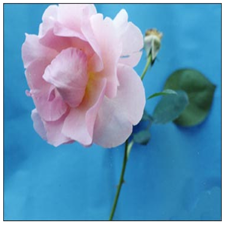
사진 설명을 입력하세요.
▴ 사진 109. 한 송이 장미꽃을 사랑하는 부인에게
Copyright ⓒ 2015 John Sangwon Lee, MD, FAAP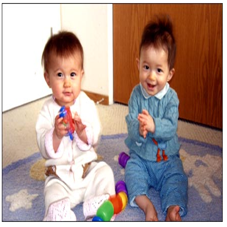
사진 설명을 입력하세요.
▴ 사진 110. 행복한 엄마 아빠와 그 자녀들
Copyright ⓒ 2015 John Sangwon Lee, MD, FAAP
● 불행하게도 오늘날 많은 부부들이 여러 가지 이유로 장기간 별거생활을 하면서 자녀들을 양육하고 있다.
● 물론, 부부가 사업관계상, 직업관계상, 또는 건강 문제나 자녀 교육 문제 등으로 부득이 별거생활을 잠시 동안 또는 장기간 해야 할 때도 있다.
● 이유를 막론하고, 장기간 별거 생활을 하는 부모 밑에서 성장하는 자녀들은 편모슬하에서 성장하는 셈이다.
● 요즘 보다 나은 교육이나, 보다 좋은 환경에서 자녀를 양육하기 위해 엄마가 아빠를 떠나 또는 아빠가 엄마를 떠나 자녀만 데리고 몇 달 또는 몇 년 동안 국내외에서 엄마 아빠가 장기간 부부 간 별거생활을 한다.
● 부모들이 극진히 사랑하는 자녀 양육 방법 중 하나를 선택했지만 엄마 아빠의 결혼생활이 부정적으로 손상될 수 있고 부분간의 사랑 반딩(Bonding)에 문제가 생길 까 항상 걱정된다.
● 부부생활을 원만하게 유지하고 행복한 부부생활을 하는 데 가장 중요한 요소들 중 하나인 부부 간 대화이다.
● 인터넷이나 재래식 전화, 각종 커뮤니케이션 수단, 아이폰 등으로 부부간 대화에 별 제한을 받지 않고 별거 부부간 대화를 원만 하게 할 수 있지만 부부가 별거생활을 하는 중 몸짓 언어 대화에 많은 제한을 받기 마련이다.
● 인터넷 등 대화 통화선을 이용해 별거 부부가 의사소통을 어느 정도 할 수 있지만 부부간에 매일 극히 필요한 애정, 동정, 희생, 수용, 용서, 인내, 로맨스, 자유와 독립 등을 균형 있게 계속 유지하는데 어려움이 필연이 생기기 마련이다.
● 부부 간 사랑 전달 수단-눈길 접촉사랑과 신체적 접촉사랑, 집중적 관심적 사랑과 보살핌-을 적절히 주고받을 수 없다.
● 부부가 조건 없는 사랑, 진정한 사랑을 하는데 극히 필요한 대화의 기회가 결핍될 수 있고 심지어는 대화가 일부 단절될 수 있다.
● 부부가 직장 관계로 별거생활을 몇 년간 하다가 남편이 어린 자녀와 부인이 있는 집으로 돌아왔을 때 그 남편은 “마치 딴 남자 같은 기분이었다.”고 말하는 여성이 있었다.
● 아빠와 오랫동안 떨어져 엄마와 함께 살았던 유아기에 있는 딸이 오래 만에 아빠를 보고 “저 남자는 이웃 아저씨냐”고 물었다고 한다.
● 엄마나 아빠가 성장하는 어린 자녀의 곁에 짧은 기간 동안이라도 함께 살지 않을 때는 어린 자녀들에게 정신적으로나 육체적으로 많은 문제를 알게 모르게 안겨줄 수 있다. 그들의 성장 발달에도 일시적으로 또는 영구적으로 부정적인 영향을 줄 수 있다.
● 자녀들이 정신적으로 육체적으로 건전하게 성장·발육하려면 부모의 결혼생활이 원만하고 행복해야 한다.
● 물론 편모슬하에서 자라고도 세계적 지도자가 된 예도 많다.
● 미 오바마 대통령도 클린턴 대통령도 편모슬하에서 자랐지만 세계의 지도자가 되었다.
● 또 자녀들을 논리적으로 순리적으로 합리적으로 생각하면서 건전한 자부심을 가지고 사회의 생산적 성원이 되게 자녀들을 키우려면 행복한 엄마 아빠로부터 조건 없는 진정한 사랑과 보살핌을 꾸준히 받을 필요가 있다.
● 자녀들이 영유아기. 학령기, 사춘기를 거쳐 성년기로 성장한 후 부모의 곁을 떠나 부모에게 전적으로 의존하지 않고 한 개인으로서 독립된 생활을 시작할 때까지 자녀들이 정서적 감정적 경제적 문제로 부모의 도움이 필요할 때는 부모들은 어디서든 언제든지 자녀들을 도와줄 수 있는 입장에 서 있어야 한다. 그러나 독립해서 나간 이후에도 부모에게 전적으로 의존해 살지 않게 주의해야 한다.
● 행복하고 원만하게 결혼생활을 하는 부부는 어린 자녀들을 눈길 접촉 사랑을 해 주고, 안아주고 뽀뽀해주고 업어주고 말 태워 주고 어깨를 치고 씨름을 해서 신체적 접촉으로 사랑해 주어야한다.
● 자녀가 나는 이 세상에서 가장 소중한 자녀라고 확신할 수 있도록 보살펴 주고 집중적 관심적 사랑을 해 주어야 한다.
● 이런 사랑을 한 해 주는 것도 아니고 가끔 해 주는 것도 아니고 자주 계속 충분히 해야 한다.
● 태어나서 성인이 될 때까지 여아들에게도 남아들에게도 필수적으로 이런 조건 없는 진정한 사랑이 필요하다.
● 아빠로부터만 그런 사랑을 받아서도 안 되고 엄마로부터만 그런 사랑을 받아서도 안 된다. 하루에 한 번만 받아도 안 된다. 수시로 많이 받을수록 더 좋다. 이런 사랑은 엄마, 아빠 두 부모로부터 많이 받아야 그들은 정신적으로, 육체적으로 정상적으로 자라게 된다.
● 자녀들을 이렇게 사랑해 양육할 수 있는 기본 요소는 바로 원만하고 행복한 결혼생활을 하는 부모에게서만 나온다.
● 부부는 매일 매일 눈길로 서로 사랑하고 신체적 접촉 사랑으로 서로 사랑하고 신의, 정직, 자유와 독립에 기반을 두고 진정한 애정, 동정, 로맨스로 부부생활을 원만히 해야만 자녀들도 행복하고 건전한 자부심을 가지고 자라게 된다.
● 재미있게 직장생활을 하고 여가를 이용 해 독서하고 하이킹 등 적절한 육체적 운동을 하고 친구도 만나 쇼핑 하면서 시간을 보내고 경제적으로 여유가 있는 40대 초반 독거 여성이 의사의 사무실에 와서 카운슬링을 받았다고 한다.
● 그 여성은 “섹스하고 싶은 생각이 나면 수음하고 일본에서 구입한 수음기구로 성인 여성용 섹스 수음을 몇 년 동안 했지만 오르가즘이 한 번 생기지 않는다고 호소하면서 어떤 좋은 약물을 처방해 달라고 요청했다”.
● 그 여성에게는 “서로 믿을 수 있고, 언어 대화와 몸짓 대화를 편안이 잘 할 수 있고, 서로 애정을 주고받을 수 있고 서로 동정하면서 서로 회생하고 슬픔과 즐거움을 나눌 수 있고 유머러스하고 인내와 수용을 부담 없이 할 수 있고 로맨스와 사랑 메이킹을 잘 할 수 있는 남성을 찾으라고 처방했다고 한다.
● 그 후 아마 여성은 그 카운슬러의 지시에 따라 그렇게 했을 것이다.
● 부모의 부부관계가 얼마나 원활하고 행복하고 좋은가에 따라 자녀의 행복이 좌우된다.
● 부부관계를 원만하고 행복하게 유지하기 위해서는 위에서 제시한 조건 없는 진정한 사랑을 서로 해야 한다.
● 그러면서 부부 간에 사랑이 성장하고 부부 간 사랑 반딩이 계속적으로 굳어지고 유지되기 위해서는 다음과 같이 부부관계를 갖는 것이 중요하다.
Copyright drleepediatrics.com 2/25/2026
Parents’ Happy Marriage Life and Happy Children
**Reference text excerpted from “Raise Your Sons and Daughters with Unconditional, True Love and Character Education Like This” by Lee Sang-won, published by Yangseogak.**
◘ Parents’ Happy Marriage Life and Happy Children
● The absolute essential conditions required for children to grow up happily are clothing, food, shelter, health, love, sleep, and a stable home.
● A comfortable, cozy, stable, and happy home is an absolutely essential condition for children to grow up happily. We can think of it this way: Imagine chicks that have just hatched from eggs growing up scattered across the grass without the love of their parents within the nest.
● A comfortable and stable home can only be established if the parents’ marital life is harmonious.
● Children of parents in a family with a harmonious and stable marital relationship grow up happily.
● It is impossible to fully express in words how important a harmonious home is among the essential conditions for children to grow up happily. Children grow up happily only when the parents’ married life is happy, smooth, and stable. ● Just as it is the natural order of things for a horse to lead a carriage loaded with cargo, to lead a happy family, the couple’s married life must first be happy, and children will be happy only if happy parents raise and guide them.
● The degree to which children are happy and emotionally and mentally stable depends on how happy and harmonious the parents’ married life is, how emotionally and mentally stable the parents are, and how firmly the couple’s love is bound together. Of course, there are exceptions.
● To reiterate, one of the essential conditions required to raise happy children is a happy married life. In other words, the happiness index of parents is directly linked to the happiness index of their children.
● How stable and happy children are depends on how harmonious the marital relationship between their parents is.
▴ Photo 108. Children can only grow up happily if their parents’ marital relationship is harmonious.
Copyright ⓒ 2012 John Sangwon Lee, MD, FAAP
To raise children who grow up happily, possess healthy self-esteem, and become productive members of society, parents must exert every effort to cultivate a happy and harmonious marital relationship.
● The primary prerequisite for leading a happy married life is for the couple to share a genuine, unconditional love.
● Spouses must unsparingly give and receive genuine, unconditional love to and from one another. A marriage can only be happy if the couple practices this genuine, unconditional love. It may sound like a strange assertion, but there is simply no other way.
● What, then, constitutes unconditional love between spouses? How to practice this genuine, unconditional marital love is clearly articulated in the Bible, specifically in 1 Corinthians 13:4–7.
● “Love is patient, love is kind. It does not envy, it does not boast, it is not proud. It does not dishonor others, it is not self-seeking, it is not easily angered, it keeps no record of wrongs. Love does not delight in evil but rejoices with the truth. It always protects, always trusts, always hopes, always perseveres.”
● “Unconditional love means loving your spouse—whether husband or wife—regardless of their age or weight; regardless of how they behave or what they say; regardless of whether they are extremely overweight or as thin as a stick; and regardless of their physical appearance or actions.”
● Such love is the ideal form of love. ● The love that comes closest to this ideal is unconditional love.
● To elaborate: in a marriage, unconditional love means that a husband and wife love each other without any stipulations—regardless of whether one earns a lot of money or very little, or whether one holds a job outside the home or not—and that they genuinely cherish one another, irrespective of their spouse’s physical appearance or outward demeanor.
● To love one’s spouse *more* only when they are working and bringing home an income constitutes conditional love. To offer greater affection solely because they return home with a larger paycheck is conditional love; it is not genuine love.
● Unconditional love means loving your spouse no matter what they look like, how they speak, or how they behave. However, this does not imply that you must love or condone specific actions or words if your spouse acts or speaks wrongly.
● You might ask: “How can a couple possibly practice unconditional love 100% of the time?” The truth is, there is not a single human being in this world who is 100% perfect.
● Consequently, there is no one who is capable of practicing unconditional love with 100% perfection.
● As previously mentioned, unconditional love is an ideal form of love.
● It is likely that no couple in this world is capable of practicing unconditional love with 100% perfection.
● Indeed.
● True, unconditional love between a husband and wife remains an ideal.
● Nevertheless, if a couple strives to conduct their marriage by genuinely practicing a love that comes as close as possible—say, 100% close—to this ideal of unconditional love, they will undoubtedly find greater happiness and enjoy a more harmonious marital life.
● Children raised under the care of parents who lead such a marriage are far more likely to grow up happy and well-adjusted.
● Both while they are growing up and after they have reached adulthood, children need parents who maintain a harmonious and happy marriage. How wonderful it is when children turn to their parents for help, only to find that their parents are always in a position—both emotionally and practically—to offer that assistance. ● Within the home, the relationship between the husband and wife takes precedence over—and is more important than—the parent-child relationship.
● To maintain a happy and harmonious marital life, both the mother and father must be mentally and physically healthy.
● There is a saying: “The two people who are closest to one another—at that specific time and in that specific place—are the ones most capable of loving each other.”
[Delete Cover Photo] [Enter Photo Description]▴ Photo 109. A single rose for a beloved wife
Copyright ⓒ 2015 John Sangwon Lee, MD, FAAP
[Delete Cover Photo] [Enter Photo Description]▴ Photo 110. A happy couple and their children
Copyright ⓒ 2015 John Sangwon Lee, MD, FAAP
● Unfortunately, many couples today are raising their children while living apart for extended periods due to various reasons.
● Of course, there are times when a couple is unavoidably compelled to live apart—whether temporarily or for a prolonged duration—due to business obligations, career demands, health issues, or matters concerning their children’s education.
● Regardless of the reason, children raised by parents who are living apart for an extended period are, in effect, growing up under the care of a single parent.
● Nowadays, in an effort to provide their children with a better education or a superior environment, mothers or fathers often leave their spouses—taking only the children with them—to live apart for months or even years, whether domestically or abroad.
● Although parents may have chosen this path as a method of raising the children they deeply cherish, there is a constant underlying anxiety that their marital relationship could suffer negative damage, or that issues might arise regarding the emotional bonding and love between the couple.
● Communication between spouses is one of the most critical elements for maintaining a harmonious marital life and ensuring a happy relationship.
● While separated couples can communicate relatively smoothly using the internet, traditional telephones, various messaging apps, or smartphones—facing few restrictions in terms of verbal exchange—they inevitably face significant limitations when it comes to non-verbal communication, such as body language, during their period of separation.
● Although separated couples can maintain a certain level of communication through digital channels, they are bound to encounter inevitable difficulties in consistently and harmoniously balancing the elements essential to a daily marital relationship—such as affection, empathy, self-sacrifice, acceptance, forgiveness, patience, romance, freedom, and independence.
● They are unable to adequately exchange the various means by which love is conveyed between spouses—such as loving eye contact, physical affection, focused attention, and nurturing care.
● Consequently, opportunities for the deep dialogue essential for a couple to practice unconditional and genuine love may become scarce, and communication between them may even become partially severed.
● One woman recounted that after she and her husband had lived apart for several years due to work commitments, when her husband finally returned home to rejoin her and their young children, she felt as though he was “like a completely different man.” ● It is said that a young daughter, who had lived with her mother for a long time—separated from her father during her toddler years—asked upon seeing him after a long absence, “Is that man a neighbor?”
● When a mother or father does not live alongside their young, growing children—even for a brief period—it can, knowingly or unknowingly, inflict numerous psychological and physical difficulties upon them. Furthermore, it can have a negative impact—whether temporary or permanent—on their overall growth and development.
● For children to grow and develop in a manner that is both psychologically and physically sound, their parents’ marriage must be harmonious and happy.
● Of course, there are many examples of individuals who, despite being raised by a single mother, went on to become world-class leaders.
● Both U.S. President Obama and President Clinton were raised by single mothers, yet they rose to become leaders of the world.
● Moreover, to raise children who think logically, sensibly, and rationally—and who possess a healthy sense of self-esteem as they become productive members of society—they require a steady stream of unconditional, genuine love and care from happy parents.
● From infancy through their school years and adolescence, and finally into adulthood—until they leave their parents’ home to begin an independent life without total reliance on their parents—children will inevitably face emotional, psychological, or financial challenges requiring parental assistance. During such times, parents must be ready and able to offer help to their children, wherever and whenever it is needed. However, care must be taken to ensure that, even after moving out to live independently, the children do not continue to live in total dependence on their parents.
● Couples who share a happy and harmonious marriage should express their love for their young children through physical affection—making eye contact, offering loving gazes, hugging, kissing, giving piggyback rides, playing “horsey,” playfully roughhousing, and wrestling.
● Parents must provide care and focused, attentive love that instills in their child the absolute certainty that they are the most precious child in the entire world. ● This kind of love is not something to be given merely once a year, nor occasionally; it must be given frequently, continuously, and in abundance.
● From birth until they reach adulthood, both girls and boys require this kind of unconditional, genuine love as an absolute necessity.
● Children should not receive such love exclusively from their father, nor exclusively from their mother. Receiving it just once a day is also insufficient; the more frequently and abundantly they receive it, the better. For children to develop normally—both mentally and physically—they must receive this love in ample measure from both parents.
● The fundamental prerequisite for raising children with this kind of love stems exclusively from parents who maintain a harmonious and happy marriage.
● A couple must express their love for one another daily—through affectionate glances and physical intimacy—and conduct their married life harmoniously, grounded in fidelity, honesty, freedom, and independence, as well as genuine affection, empathy, and romance; only then will their children grow up to be happy and possess a healthy sense of self-esteem.
● It is said that a single woman in her early forties—who enjoys a fulfilling professional life, spends her leisure time reading, hiking, and engaging in other appropriate physical exercise, and also enjoys socializing with friends and shopping—recently visited a doctor’s office to seek counseling.
● The woman explained, “Whenever I feel a desire for sex, I engage in masturbation—specifically using adult sex aids purchased in Japan—and have been doing so for several years; however, I have never once experienced an orgasm.” She then requested that the doctor prescribe a suitable medication to address this issue. ● It is said that the woman was advised to seek a man with whom she could establish mutual trust; engage comfortably in both verbal and non-verbal communication; freely exchange affection; offer one another empathy and support through difficult times; share in both sorrows and joys; possess a sense of humor; practice patience and acceptance without reservation; and share a fulfilling romantic and sexual life.
● Subsequently, the woman likely followed the counselor’s instructions and acted accordingly.
● A child’s happiness is directly contingent upon the harmony, happiness, and quality of their parents’ marital relationship.
● To maintain a harmonious and happy marriage, spouses must practice the unconditional, genuine love described above.
● Furthermore—to ensure that love between spouses continues to grow, and that their emotional bond remains strong and enduring—it is essential to approach the marital relationship in the following manner.
Copyright drleepediatrics.com 2/25/2026