제10 장 인성 교육과 인성교육 체크리스트
Humanity Education and Humanity Education Checklists
제1절 인성교육을 왜 하나
Reasons for Humanity Education
아들딸 조건 없는 진정한 사랑으로 키우세요 그리고 인성 교육을 이렇게‘
2016년 양서각 출간에서 퍼온 글
인성교육은 무엇이고 언제부터 누가 해야 하나
-
나를 사랑하고
-
부모 형제를 사랑하고 이웃을 사랑하고
-
부모를 공경하고
-
하늘과 땅을 두루 살펴볼 때 부끄럼이 없고
-
남을 도와 줄 수 있고
-
좋은 지덕체를 가추고 살 수 있게
-
그리고 건전한 자존심을 갖고
-
생산적 사회 일원이 될 수 있게 교육하는 것이 인성교육이라고 정의할 수 있습니다.
-
이 세상에서 완전한 사람도 하나도 없고 완전한 부모는 하나도 없습니다.
-
죄를 짓지 않고 사는 사람이 어디 있습니까.
-
이 세상에서 죄를 짓지 않고 사는 완전한 사람은 하나도 없습니다. 그러나 거기에 가깝게 살아갈 수 있게 교육을 받고 자기 자신도 거 기에 가깝게 살아갈 수 있게 연구하고 공부하는 것이 인성교육 과정이라고 할 수 있습니다.
-
가정은 자녀 인성교육을 시키는 최초의 학교이고 엄마, 아빠가
자녀 인성교육을 시키는 최초의 1차 교사들이라고 할 수 있습니다.
-
부모 다음으로 학교 교사들과 사회·국가의 지도자들은 바로 성장하는 소아·청소년들뿐만 아니라 국민들의 인성교육 2차 교사들이라고 할 수 있습니다.
-
계획된 결혼과 임신으로 잉태한 태아가 자궁 속에서 자라서 태어 날 때까지 임신한 엄마와 아빠는 태아가 정신적으로 육체적으로 건강하게 자라게 하는 태교도 일종의 인성교육이라 할 수 있습니다. 즉 태교도 인성교육에 속합니다.
-
태아의 엄마 아빠는 부부로서 장차 엄마 아빠로서 서로 조건 없이 사랑해 자녀 인성교육의 스승이 되어야 합니다.
-
자궁 내 태아의 머리는 자궁의 아래쪽으로 향해 있는 것이 정상이나 때로는 위쪽으로 향할 수 있습니다.
-
태아는 양수 속에서 자랍니다.
-
자궁벽이 태아를 누르지 않도록 양수로 태아는 보호받습니다. 전체 양수는 1 일 8회 새 것으로 바뀝니다.
.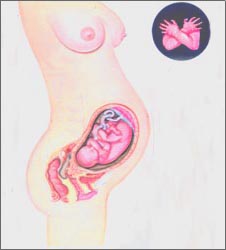
자궁 사진
출처–-Carnation Company-“Illustrations from Pregnancy in Anatomical”과 소아가정간호백과
적절한 육체적 운동, 정신적 운동과 휴식을 취하고 피로하지 않게 충분한 휴식을 취하고 인체에 해로운 각종 화학물질에 노출되지 않게 음식물을 섭취하고,
영양가가 있는 균형잡힌 음식물을 섭취하고, 비타민을 섭취하고, 징그러운 것을 보지 말고, 불쾌하고 해로운 소리도 듣지 말고, 한 방울의 알코올도 섭취하지 말고,
답배를 피우지 말고, 이차 흡연에도 노출되지 않게 해, 자궁속에서 자라는 태아에게 인성교육을 시킵니다. 의사가 처방하지 않은 약물을 섭취해서도 안됩니다
.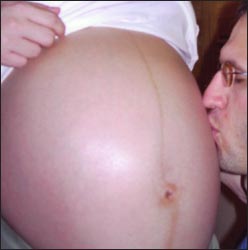
임신한 아내의 배 속에서 자라는 태아에게 키스 하는 아빠
Section 1: Why Character Education?
Raise your sons and daughters with true, unconditional love—and approach their character education in this way.
(Excerpted from a book published by Yangseogak in 2016)
What is character education, and when—and by whom—should it be provided?
Character education can be defined as the process of nurturing an individual to:
Love oneself, one’s family (parents and siblings), and one’s neighbors;
Respect one’s parents;
Live with a clear conscience, such that one feels no shame when reflecting upon the world—the heavens and the earth—around them;
Be capable of helping others;
Cultivate sound intellect, virtue, and physical well-being;
Develop a healthy sense of self-esteem;
And become a productive member of society.
There is no such thing as a perfect person or a perfect parent in this world.
After all, who among us lives without ever committing a wrong?
There is no one who lives a life entirely free from fault. However, character education is the process of learning—and personally studying and striving—to live as close to that ideal as possible.
The home serves as the first school for a child’s character development, and parents—the mother and father—are the primary, foundational educators.
Beyond the home, school teachers, as well as leaders in society and the nation, act as secondary educators—guiding not only growing children and adolescents but the broader citizenry in their character development.
Prenatal care—the efforts made by a mother and father to ensure the healthy mental and physical development of a child from conception until birth—can also be considered a form of character education. In short, prenatal care is an integral part of character education. As a couple—and as future parents—a mother and father should love each other unconditionally, serving as mentors for their child’s character development.
Normally, the fetus is positioned with its head facing downward within the uterus, though it may sometimes be oriented upward.
The fetus grows within the amniotic fluid.
This fluid protects the fetus, preventing the uterine walls from exerting pressure on it. The entire volume of amniotic fluid is replaced with fresh fluid eight times a day.
Image of the uterus
Source: Carnation Company – “Illustrations from Pregnancy in Anatomical” and the *Encyclopedia of Pediatric and Family Nursing*
Expectant parents should engage in appropriate physical and mental activity, ensure sufficient rest to avoid fatigue, and be mindful of their diet to avoid exposure to harmful chemicals.
It is important to consume a balanced, nutritious diet and take vitamins. One should avoid looking at disturbing imagery, listening to unpleasant or harmful sounds, consuming any alcohol, or smoking. It is also crucial to avoid exposure to secondhand smoke. By following these practices, parents can begin the character education of the fetus growing within the womb. Furthermore, no medications should be taken unless prescribed by a physician.
A father kissing the womb of his pregnant wife, where their child is growing.
감염병을 예방하고 의사의 지시에 따라 산전 건강관리를 잘해서 건강한 아기를 출산하는 산전 건강관리 그 자체가 바로 태아 인성교육의 시작입니다.
엄마 아빠는 새 자녀가 태어나는 그 날 그때 금방 태어난 아기를 가슴에 안고 눈길을 마취면서 ‘나는 너를 사랑한다’ “ I Love You”라고 크게 외치고 피 빨간 아기를 안아 신체적 접촉 사랑을 해주고 눈길 접촉 사랑도 해주면서 엄마 아빠와 갓 태어난 아가와 사랑의 반딩을 형성해야합니다.
갓 태어난 직후 아빠, 엄마가 조건 없는 진정한 사랑을 갓 태어난 아들딸에게 해 주는 것도 인성교육입니다.
요즘 각종 매디아에서 모은 한국 소아 청소년(0~18세)들의 정황의 일부를 여기에 소개합니다.“연간 10만여 명 이상 청소년이 가출한다”.큰일 났다. 학교 밖 청소년 37만 명. 절반은 소재도 몰라. 8/31/2015“연간 만 명이 넘는 청소년이 자살한다”.“연간 5~6천여 명의 10대 여아들이 미혼모가 된다.”“이혼, 사별, 편의상 사회적 별거 생활로 인한 편모슬하에서 자라는 아이들이 한 집 건너 살고.“1만 9천여 명이 넘는 고아들이 보육원에서 자라고“.“학교가 무너지고 교실이 무너진다.”“사랑스럽고 순진하고 소중한 아이들을 “징그러운 아이들“, “외계인“, 또는 “겁 없는 아이들“이라고부르기도 한다.”“학생이 교사를 때린다든지 부모를 때리는 일이 벌어지기도”.“특히 왕따, 학교 폭력의 문제는 일상화되어 집단 따돌림, 지속적인 괴롭힘, 신체적 폭력 등을행사해도 대수롭지 않게 여기는 폭력 불감증이 만연되어 있다.”심지어는 멀리 타국에서 가지고 온 자녀 양육용 참고서 60여권 씩 받고서도 감사하다는 편지 한장 쓰서 보내지 않는 시, 군 지도자님들.“한국 어린이와 청소년이 느끼는 ‘삶의 만족도’가 경제협력 개발 세계 기구(OECD) 26 개국 가운데가장 낮게 나타났다 .”‘주관적 행복지수’도 우리나라 학생이 가장 낮았다.“대한민국이 싫어서” 나라 떠나는 청년들‘경기침체로 무너지는 가족. 존속범죄 급증’불행하게도 미국을 비롯해 전 세계 소아청소년들에게도 거의 같은 추세의 실태이다.하루에 이런 일들이 미 아이오와주 10대 아이들에게 일어나고 있다.2753명이 임신하고7742명이 성관계를 하고1287명이 출산하고그들에게 출생된 신생아들 중 53 명이 죽고5명의 10 대들이 자살하고21명이 알코올과 관련되어 죽고미 아이오와 주에서 78 명의 소아들이 학대당하고1명의 아기가 12세 여아에게 태어나고,8명의 아기들이 10대 여아들에게 태어나고8분마다 한 명이 자살기도를 하고20명의 학생들이 학교를 중퇴한다.미국 12~14세 사춘기 아이들의 반 정도가 폭탄주 파티를 하고18세~20대 청년들의 72%가 폭탄주 파티를 한다고 한다.소스: 미 소아과 학회 뉴스 AAP News 9/2015Prenatal care—which includes preventing infectious diseases and following a doctor’s guidance to ensure a healthy pregnancy—is, in itself, the beginning of character education for the unborn child. Every single day, the following events occur among teenagers in the U.S. state of Iowa: |
동방 예의지국 東方 禮儀 之國에서도道도 찾아보기가 어렵고 리理도 찾아보기가 어렵고,예禮도 찾아보기가 어렵고 절節도 찾아보기가 어렵고,애 愛도 찾아보기가 어렵고 정 精도 찾아보기가 어렵더라.친親도 찾아보기가 어렵고 척戚도 찾아보기가 어렵고,신信도 찾아보기 어렵고 의 義도 찾아보기 어렵더라.효孝도 찾아보기가 어렵고 도도 찾아보기가 어렵고,우정도 신의도 찾아보기 어렵더라.모두가 가르 치려는 선생先生들이고 배울랴고 하는 학생學生들은 찾아보기 어렵고,모두가 인디안 취프들인 것 같고 인디안들을 찾아보기 힘들고배에 사공 있고 화부는 없더라,합리적도 논리적도 순리적도 아닌 말만 많이 하고.공손, 겸손, 검소, 진실을 찾아보기 힘들다.장유유서(長幼有序)도 찾아보기 어렵고.겸양 謙讓도 겸손 謙遜도 정도 定道도 사랑도 찾아보기 힘들고,범사 凡事에 감사感謝하는 사람을 찾아보기 어렵고, 특별한 선물을 주어도 “감사하다.”고 말하는 사람 한분도 없더라.잘 했다고 칭찬 稱讚하는 사람도 찾아보기가 어렵고,살아생전 기거하던 고향 내 스위트홈이 아닌 낯선 타관 요양원으로 노부모들을 모실준비를 한다고 큰 소리로 떠들고.천리 만리 千里萬里에서 찾아온 형제 3촌 손님을 반가이 대해주는 친척도 찾아보기 어렵더라.어디를 가도 책을 읽는 사람을 찾아볼 수가 없더라.의사한테 가면 다 해 주는데 왜 의료 육아 참고서를 보느냐고 시장님이 말하더라.미국에서 소아청소년이 소아청소년 진료실에서 1회 받는 데 적어도 15~30분 정도 걸린다고 해도 그것이 사실이라고 수긍하는 사람이 하나도 없더라.한두 살 먹은 유아들이 젖병을 입에 물고 혼자 다니면서 먹더라.아동학대 한 해 접수 1만 7000여 건이라고.한국 국민 10명 중 7명은 정부를 불신한다고, 더구나 진정 眞正한 사랑과 축복 祝福을 받으면서 산다고 감사 感謝하는 사람을 단 한 명도 맞지 않나 보지 못하고 .2015 년 7 월 |
인성교육 체크 리스트 HumanityEducational Checklists
인성교육 체크 리스트는 1~8 으로 나누습니다 .
(아들딸 조건 없는 진정한 사랑으로 키우세요 그리고 인성교육을 이렇게 양서각에서 퍼온글 )
부모와 자녀의 인성교육 표를 만들아 보세요
부모가 적어도 1차 2차, 3차 이상 인성교육을 자녀의 나이와 성장 발육 성숙도에 따라 시키면서 인성교육을 시킨 년월일을 각 인술교육 항의 바른 편에 있는 Box 속에 적어 주세요 .
그 인성교육 기록표를 초등학교 입합할때, 중학교 입학, 고등학교 입학, 대학 입학을 할 때 의무적으로 입학 원서와 같이 필수적으로 제출하는 범 국가 제도를 법으로 만들면 어떨까 생각합니다.
참고로 인성교육 기록표는 학교 입학 허가를 받는 데는 무관하나 입학 시에 필요한 서류로 간주하면 어떨까요.
각 나라, 각 가정, 각 개인, 각종 교, 자녀의 개성, 체질, 나이, 성숙도 등에 따라 인성교육을 적절히 해 보세요.
인성교육을 부모도 자녀와 같이 적절히 받으세요. 이미 ‘아들딸 조건 없는 진정한 사랑으로 키우세요 그리고 인성교육을 이렇게, 성경, 불교 성전, 논어, 명심보감 등’에서 인성교육에 관해 참고하시기 바랍니다.
부모와 자녀가 인성교육 각 항목을 적어도 3번 이상 꼭 집고 넘어가시기 바랍니다.
좋은 인성교육 주제를 다음 인성교육 체크리스트에 열거합니다. 편의상 중복되는 주제와 내용이 많습니다.
Even in this “Land of Courtesy in the East,” it has become difficult to find the *Dao* (the Way) or *Li* (the underlying principle of things).
It is hard to find *Li* (propriety/etiquette) or *Jie* (restraint/integrity).
It is hard to find *Ai* (love) or *Jing* (sincere affection/warmth).
It is hard to find *Qin* (closeness among kin) or *Qi* (familial ties).
It is hard to find *Xin* (trustworthiness) or *Yi* (righteousness).
It is hard to find *Xiao* (filial piety) or the proper path.
It is hard to find true friendship or loyalty.
Everyone acts as a “teacher” wanting to instruct others, yet it is difficult to find anyone willing to learn.
Everyone acts like an “Indian chief,” while actual “Indians” (those willing to follow or serve) are nowhere to be found.
It is like a boat with only captains—and no crew to row it.
People speak incessantly, yet their words are neither rational, logical, nor in accordance with the natural order.
It is difficult to find courtesy, humility, frugality, or truthfulness.
The traditional order between the old and the young has all but vanished.
Humility, modesty, the right path, and love are nowhere to be seen.
It is rare to find someone who expresses gratitude for anything; even when given a special gift, not a single person says, “Thank you.”
It is rare to find anyone who offers praise for a job well done.
People loudly proclaim their plans to send their elderly parents away—not to the “sweet home” where they lived their lives, but to a nursing home in some strange, distant place.
And it is difficult to find relatives who will warmly welcome kin—siblings, cousins, or guests—who have traveled from afar to visit. Wherever I went, I couldn’t find anyone reading a book.
A mayor once remarked, “Why bother with medical or child-rearing guidebooks when you can just go to a doctor and have them take care of everything?”
When I mentioned that a single pediatric consultation in the United States typically lasts at least 15 to 30 minutes, not a single person believed me.
I saw toddlers, only a year or two old, walking around alone with baby bottles in their mouths.
There are over 17,000 reported cases of child abuse each year.
Seven out of every ten Koreans distrust their government; furthermore, I haven’t met a single person who expresses gratitude for living a life filled with genuine love and blessings.
July 2015
Humanity Education Checklists
The humanity education checklists are divided into sections 1 through 8.
(Raise your children with unconditional, genuine love. This content on humanity education is sourced from Yangseogak.)
Create a humanity education chart for your family.
As you guide your children through the various stages of humanity education—tailored to their age, developmental progress, and maturity—record the date (year, month, and day) in the box provided next to each corresponding item on the list. I propose the establishment of a nationwide, legally mandated system requiring the submission of a “character education record” alongside application documents whenever a student enters elementary, middle, or high school, or university.
To clarify, while this record would not influence admission decisions, it would be a mandatory document to be included in the application process.
Character education should be tailored to the unique personality, constitution, age, and maturity level of each individual, as well as the specific circumstances of each family and educational institution.
Parents, too, should engage in appropriate character education alongside their children. For guidance, one might look to resources such as the Bible, Buddhist scriptures, the *Analects* of Confucius, or the *Myeongsim Bogam* (Precious Mirror for the Mind), while keeping in mind the importance of raising children with unconditional, genuine love.
I recommend that both parents and children review each item on the character education record at least three times.
The following checklist outlines various topics for character education; please note that there is some overlap among the themes and content for the sake of convenience.
인성교육 체크리스트 제1 |
1 차 인성교육을 한 나이나 날 |
2 차 인성교육을 한 나이나 날 |
3 차 인성교육을 한 나이나 날 |
4 차 인성교육을 한 나이나 날 |
비고 |
임신 자궁은 최초 인성교육 교실이고 임신 중 임신부와 아빠는 인성교육의 최초 교사이다. |
|||||
계획적으로 임신을 한다. |
|||||
임신 중 술이나 알코올 한 방울도 마시지 않는다. |
|||||
임신을 곧 할 계획을 할 때 술을 한 방울도 마시지 않는다. |
|||||
임신 중 담배를 조금도 피우지 않는다. |
|||||
처방약 이외의 어떤 종류의 약을 쓰지 않는다 . |
|||||
처방 약을 쓸 때도 쓰기 전 그 약으로 인해 태아에게 유해가 생길 수 있는지 확인한다. |
|||||
임신 중 임신교육 및 임신 건강검진을 주기적으로 받는다 . |
|||||
임신 전 또는 임신 중 임신부 자신에게 생길 수 있는 감염병을 예방하기 위해 백신으로 적기에 접종받는다. |
|||||
임신 중 태아에게나 출산 후 태어난 아기에게 감염병이 생기지 않게 예방접종을 적절히 받는다. |
|||||
임신 중 적절한 휴식과 균형 잡힌 음식물을 충분히 섭취한다. |
|||||
인신 중 마음과 신체를 평안하게 한다. 균형 잡힌 음식물을 충분히 섭취하고 모유수유 할 준비를 한다. |
|||||
임신부는 징그럽고 보기 흉한 것을 보고 듣고 만지지 않는다. |
|||||
특히 임신 중 부부 간 조건 없는 사랑을 많이 한다. |
|||||
임신 중 장차 태어날 자궁 속 아기를 아빠가 많이 사랑한다. |
|||||
출산(분만) )시 아빠가 출산하는 부인과 같이 있으면서 분만을 도와준다. |
|||||
엄마 아빠가 갓 태어난 피빨간 아기를 안아주고 아빠 엄마 아기 간 사랑 반딩을 결속한다. |
|||||
엄마 아빠는 자라는 자녀들이 최상 지덕체를 함양한 성인이 되도록 가르치는 인성교육의 최초 최고 스승이고 가정은 인성교육의 평생 교실이다 . |
|||||
가정은 잘 다스리지 못하면 이웃도 동네도 다스리지 못한다. |
|||||
가정교육은 모든 교육의 기초이다. |
|||||
엄마와 아빠는 인생의 동반자요, 서로 사랑하고 아끼고 용서하고, 형제자매 간에 우애와 용서와 사랑이 있어야 한다. |
|||||
자녀들의 평생교육 인성교육을 가정밖에만 맞길 수 없다. |
|||||
부모는 자녀를 조건 없는 진정한 사랑과 보살핌으로 키워야 한다. |
|||||
엄마 아빠는 자녀를 최선을 다해 키운다. 때로는 희생도 한다. |
|||||
건전한 가정에서 화목한 엄마, 아빠로부터 더 좋은 교육과 더 좋은 인성교육을 받을 수 있다. |
|||||
엄마 아빠는 항상 자녀들이 필요할 때 도와줄 준비를 하고 있어야 한다. |
|||||
그 사회와 학교는 자라는 어린이들에게 인성교육을 직접·간접으로 시켜 인간 됨됨이를 만드는 데 큰 영향을 줄 수 있지만 가정은 사회의 인성교육의 모태 역할을 한다. |
|||||
부모는 자녀에게 최고 최선의 의식주와 사랑과 건강 관리를 제공하려고 노력해야 한다. |
|||||
하루 삼시 세끼 음식을 먹은 후, 옳게 칫솔질하는 법을 가르친다. |
|||||
태어나서부터 좋은 지덕체를 소지하도록 도와준다. |
|||||
아이들은 가정의 거울이고 그 사회의 거울이다. |
|||||
부모는 인간 기본 필수품인 의식주 건강 사랑을 적절히 공급해 주어야 자녀들은 올바른 인성교육을 잘 받는다. |
|||||
엄마, 아빠 두 부모가 모두 일관성 있게 가정교육을 잘 시켜야 한다. |
|||||
규칙적으로 잠자는 시간과 기상 시간을 정한다. |
|||||
올바른 음식물 먹는 습관을 가르친다. |
|||||
어른들에게 공손하게 인사하는 습관을 가르친다. |
|||||
자기 방이나 집안 또는 일하는 장소를 정리정돈하도록 가르친다. |
|||||
이웃을 사랑하고 친하게 지내도록 가르친다. |
|||||
옷을 적절히 잘 입는 습관을 가르친다. |
|||||
맡은 일은 최선을 다하도록 가르친다. |
|||||
내 것이든 남의 것이든 아껴 쓰라고 가르친다.Character Education Checklist 1 Date or stage of pregnancy for the 1st character education session Date or stage of pregnancy for the 2nd character education session Date or stage of pregnancy for the 3rd character education session Date or stage of pregnancy for the 4th character education session Remarks The womb during pregnancy serves as the first classroom for character education, and the expectant mother and father are the first teachers.
Plan the pregnancy intentionally.
Do not consume any alcohol—not even a single drop—during pregnancy.
Refrain from consuming any alcohol when planning to conceive.
Do not smoke at all during pregnancy.
Do not use any medication other than what has been prescribed by a doctor.
Before using any prescribed medication, verify whether it could potentially harm the fetus.
Attend regular prenatal education sessions and health check-ups throughout the pregnancy.
Receive appropriate vaccinations—either before or during pregnancy—to prevent infectious diseases that could affect the expectant mother.
Ensure appropriate vaccinations are received to prevent infectious diseases that could affect the fetus during pregnancy or the baby after birth.
Get adequate rest and consume a well-balanced diet throughout the pregnancy. During pregnancy, maintain peace of mind and body. Consume a sufficient, balanced diet and prepare for breastfeeding.
Pregnant women should avoid seeing, hearing, or touching things that are unpleasant, unsightly, or disturbing.
Throughout pregnancy, the couple should share an abundance of unconditional love.
During pregnancy, the father should express deep love for the baby growing in the womb.
At the time of childbirth, the father should remain by his wife’s side to support her through the delivery.
Upon the baby’s arrival, both mother and father should hold their newborn, fostering a bond of love between the parents and the child.
Parents are the first and most important teachers in character education, guiding their children to grow into adults who possess excellent wisdom, virtue, and physical well-being; the home serves as a lifelong classroom for this character development.
If one cannot properly manage one’s own household, one cannot effectively manage relationships with neighbors or the broader community.
Home education is the foundation of all education.
A mother and father are life partners who should love, cherish, and forgive one another; likewise, siblings should share a bond of affection, forgiveness, and love.
The lifelong character education of children cannot be left solely to institutions outside the home.
Parents must raise their children with genuine, unconditional love and care. Parents raise their children to the best of their ability, often making sacrifices along the way.
In a healthy home, children can receive a superior upbringing and character education from parents who live in harmony.
Parents should always be prepared to assist their children whenever the need arises.
While society and schools play a significant role in shaping a child’s character—both directly and indirectly—the home serves as the foundational cradle for such development.
Parents should strive to provide their children with the best possible food, clothing, shelter, love, and healthcare.
Teach children how to brush their teeth properly after every meal.
Help children cultivate a well-rounded development of intellect, virtue, and physical health from the moment they are born.
Children are a reflection of both their home and the society in which they live.
By ensuring that the fundamental human necessities—food, clothing, shelter, health, and love—are adequately provided, parents create the right environment for their children to develop good character.
Both parents must work together to provide consistent guidance and education at home.
Establish a regular schedule for bedtime and waking up.
Teach children healthy eating habits. Teach the habit of greeting adults politely.
Teach how to keep one’s room, home, or workspace neat and organized.
Teach how to love one’s neighbors and maintain friendly relationships with them.
Teach the habit of dressing appropriately.
Teach how to do one’s best in any assigned task.
Teach how to use things—whether one’s own or someone else’s—with care. |
|||||
곱고 아름다운 습관을 드린다. |
|||||
외출하러 집을 나갈 때나 외출에서 돌아오는 부모님께 인사하라고 가르친다. |
|||||
예의 바르게 말하고 행동하라고 가르친다. |
|||||
물건을 남에게 줄 때는 두 손으로 공손하게 주라고 가르친다. |
|||||
손님이 올 때 집문 밖에 마중 나가 반갑다고 인사하고, 손님이 갈 때는 문밖에서 잘 가시라고 인사하는 법을 가르친다. |
|||||
바른 말은 바른 마음에서 나온다고 가르친다. |
|||||
고은 말은 고은 마음에서 나온다고 가르친다. |
|||||
백색 거짓말도 핮 말아야 한다고 가르친다. |
|||||
아이들 앞에서는 백색 거짓말도 하지 말아야 한다고 가르친다. |
|||||
평소에 높임말, 바른 말, 공손한 말, 고은 말을 많이 사용하라고 가르친다. |
|||||
모욕적인 말을 다른 사람에게 하지 말라고 가르친다. |
|||||
하루 삼시 세끼 중 아침 식사는 가장 좋은 식사이고 아침 식사와 저녁 식사를 가능한 한 전 식구가 함께한다. |
|||||
가정에서 식사를 할 때 어른이 먼저 앉은 후 그 다음 순서로 앉는다 . |
|||||
어른이 먼저 수저를 들면, 그 다음 순서로 수저를 든다. |
|||||
식사 중 소리를 내지 않는다. |
|||||
어떤 음식이 내게 맛이 있다고 혼자서 그 음식을 먼저 먹거나 많이 먹거나 또는 다 먹지 않는다. |
|||||
식사 후 먼저 일어나지 않는다. |
|||||
부득이한 경우는 먼저 일어나야 할 때는 양해를 얻는다. |
|||||
식사 전에 손을 씻는다. 식사 후 잘 먹었습니다 하고 인사하고 감사하다고 인사한다. |
|||||
부모를 돕고 집안일을 도와 준다. |
|||||
경로 효친 예절을 가르친다. |
|||||
자고 일어난 후 이부자리를 개고 적어도 자기 방을 청소하고 정돈한다. |
|||||
식사 후 설거지를 하라고 가르친다. |
|||||
인성 교육 체크리스트 제2 |
|||||
집안 청소를 하게 가르친다. |
|||||
쓰레기 치우는 것을 가르친다. |
|||||
가축을 돌보는 것을 가르친다. |
|||||
협동정신을 키우는 것을 가르친다. |
|||||
꽃 가꾸는 것을 가르친다 . |
|||||
채소나 곡물을 심고 가꾸고 거두는 법을 가르친다 . |
|||||
부모님이 사시던 스위트 홈에서 잘 모시고 효도하고 양노원에서 여생을 보내시지 않도록 하라고 가르친다. |
|||||
교통 규칙 질서를 잘 지키라고 가르친다. |
|||||
승하차 시 차례를 지키라고 가르친다. |
|||||
휴지를 아무 곳에나 버리지 않도록 가르친다. |
|||||
화장실을 깨끗이 사용하도록 가르친다. 그리고 손을 깨끗이 씻도록 가르친다 . |
|||||
약속을 지키고 약속 시간을 꼭 지키라고 가르친다. |
|||||
남에게 불쾌감을 주지 않도록 말을 정중히 하고 행동하라고 가르친다. |
|||||
실례가 되지 않게 옷을 입으라고 가르친다. |
|||||
전화를 받을 때도 전화를 받을 사람이 있는데도 없다고 거짓말을 하지 말라고 가르친다 . 받는 사람의 이름을 대 주라고 가르친다. |
|||||
시장을 보는 것도 가르친다. |
|||||
남의 권익을 해치지 않도록 가르친다. |
|||||
남에게 불편을 끼치지 않도록 가르친다. |
|||||
이기적 생활을 하지 않도록 가르친다. |
|||||
서로 위하고 양보하는 습관을 가지라고 가르친다. |
|||||
공덕심을 함양하라고 가르친다. |
|||||
배우는 일에 게을리 해서는 안 된다고 가르친다. |
|||||
부모가 평소 생활 예절을 소홀히 하지 않도록 한다. |
|||||
부모도 좋은 책을 많이 읽고 공부한다. |
|||||
가정은 자라는 자녀들에게 예절 교육을 시키는 학교이다. |
|||||
부모는 예절교육 교사이다. |
|||||
친절과 선행을 하라고 가르친다. |
|||||
남에게 친절하게 하는 것은 행복한 삶과 성공의 삶길로 가는 최고의 길이라고 가르친다. |
|||||
용돈을 적절히 주고 적절히 쓰도록 가르친다. |
|||||
저축하는 법을 가르친다. |
|||||
적절한 휴식은 열심히 일하는 것만큼 중요하다고 가르친다. |
|||||
스트레스를 적절히 풀도록 가르쳐 준다.Instilling fine and beautiful habits.
Teach children to greet their parents when leaving the house or upon their parents’ return.
Teach them to speak and act with good manners.
Teach them to offer items to others respectfully, using both hands.
Teach them to go outside to welcome guests upon their arrival, and to see them off outside when they depart.
Teach them that proper language stems from a proper heart.
Teach them that kind language stems from a kind heart.
Teach them that even “white lies” should not be told.
Teach that one should not tell even “white lies” in front of children.
Encourage the regular use of honorifics, proper language, polite expressions, and kind words.
Teach them never to use insulting language toward others.
Breakfast is the most important of the three daily meals; whenever possible, the entire family should eat breakfast and dinner together.
When dining at home, adults should take their seats first, followed by the others. Wait for the adults to pick up their utensils before you begin eating.
Do not make noise while eating.
If you find a particular dish delicious, do not eat it all, consume an excessive amount, or start eating it before others.
Do not leave the table before others have finished their meal.
If you must leave early due to unavoidable circumstances, ask for permission first.
Wash your hands before eating. After the meal, express your gratitude by saying, “Thank you for the meal.”
Assist your parents and help with household chores.
Teach the importance of respecting elders and showing filial piety.
After waking up, fold your bedding and, at the very least, clean and tidy your own room.
Teach the habit of washing the dishes after a meal.
Character Education Checklist 2
Teach how to clean the house.
Teach how to dispose of trash.
Teach how to care for livestock or animals.
Teach the value of a cooperative spirit.
Teach how to tend to flowers.
Teach how to plant, cultivate, and harvest vegetables or crops. Teach children to care for their parents—to honor them and ensure they can continue living in their own home, rather than spending their final years in a nursing home.
Teach them to follow traffic rules and maintain order.
Teach them to wait their turn when boarding or alighting from vehicles.
Teach them not to litter.
Teach them to keep restrooms clean and to wash their hands thoroughly.
Teach them to keep their promises and be punctual.
Teach them to speak and act politely so as not to cause offense to others.
Teach them to dress appropriately so as not to be disrespectful or cause embarrassment.
Teach them not to lie when answering the phone—for instance, by claiming someone is not there when they actually are. Teach them to state the name of the person being called for.
Teach them how to shop for groceries or other necessities.
Teach them not to infringe upon the rights or interests of others.
Teach them not to cause inconvenience to others.
Teach them to avoid living a selfish life.
Teach them to develop the habit of looking out for one another and practicing consideration through compromise. Teach children to cultivate a spirit of virtue and good deeds.
Teach them not to be negligent in their learning.
Ensure that daily manners and etiquette are not overlooked in the home.
Parents themselves should also read good books and continue to learn.
The home serves as a school where children are taught manners and etiquette as they grow.
Parents act as teachers of manners and etiquette.
Teach children to be kind and to perform good deeds.
Teach them that being kind to others is the best path toward a happy and successful life.
Provide an appropriate amount of pocket money and teach children how to spend it wisely.
Teach them how to save money.
Teach them that proper rest is just as important as working hard.
Teach them how to manage and relieve stress in a healthy way.
|
|||||
인성교육 체크리스트 제3 |
|||||
가정과 사회에서 지켜야 할 규칙 질서를 지켜야 한다고 가르친다. |
|||||
타고난 9가지 개성과 성격에 따라 자녀를 육아한다 . |
|||||
타고난 때부터 70퍼센타일 성격이 있고 30퍼센타일 성격이 있다는 것을 인식하고 내 자녀는 몇 퍼센타일 성격을 소유했나 알아본다. 그리고 그 퍼센타일 성격에 따라 자녀를 육아한다. |
|||||
남을 비방하지 말라고 가르친다. |
|||||
도둑질을 하지 말라고 가르친다. |
|||||
거짓 증언을 하지 말라고 가르친다. |
|||||
진실하게 살라고 가르친다. |
|||||
마음과 몸가짐을 곧게 가지라고 가르친다. |
|||||
예의 바르게 말하고 행동하라고 가르친다. |
|||||
식탁 음식물을 절차와 질서에 따라 먹으라고 가르친다. |
|||||
가정은 평생 인성교육을 시키는 학교이다. |
|||||
부모는 자녀의 평생 인성교육 및 인생교육을 시키는 스승이다. |
|||||
평생 몸가짐을 바르게 갖도록 가르친다. |
|||||
시간이 나는 대로 좋은 책을 많이 읽고 많이 배우라고 가르친다. |
|||||
동네 도서관에서 좋은 책을 골라 읽으라고 가르친다. |
|||||
선조 때부터 내려오는 아름다운 집안 전통 예절을 지키라고 가르친다. |
|||||
집안 예절은 가정 인성교육의 기초가 된다고 가르친다. |
|||||
엄부 (嚴父 )보다 자애부 (慈愛父 )가 되어야 한다. |
|||||
남에게 무뢰해서는 안 된다고 가르친다. |
|||||
버릇이 없어서는 안 된다’라고 가르친다. |
|||||
부모와 자녀 간 대화를 자주 많이 한다. |
|||||
지식과 지혜를 동반하는 교육을 시킨다. |
|||||
과잉 교육을 시켜서는 안 된다. |
|||||
가정 예절과 대인관계 예절을 가르친다. |
|||||
존대 말 (높임 말 )을 적절히 많이 쓰도록 가르친다. |
|||||
연하 사람이나 동년배 사람 또는 연상자, 어른, 친구, 친척, 부모, 형제, 스승들에게 인사하는 법을 가르친다 . |
|||||
건방지지 않도록 가르친다. |
|||||
남의 말을 참견하지 않게 가르친다. |
|||||
부모는 자녀들에게 예의범절을 가르치는 스승이고 그 가르침에 솔선수범해야 한다. |
|||||
특히 어머니와 아버지는 가정 사회 일생 예절교육의 스승이 되어야 한다 . |
|||||
부모는 자녀의 됨됨이를 가르친다. |
|||||
자녀들은 엄마 아빠의 예절을 배워 그대로 부모에게 또는 다른 사람들에게 배운 대로 예절을 표시하는 것이 보통이라고 가르친다. |
|||||
자녀들은 부모들의 태도, 행동 습관을 보고 배운다 . |
|||||
내가 하는 모범적 예절에 따라 예절을 지키라고 가르친다. |
|||||
예절 바르고 공부를 잘하면 그것은 으뜸이다. |
|||||
예절을 어긴다는 것은 큰 잘못을 저지르는 것이라고 가르친다. |
|||||
부모나 어른들에게 반말을 하지 않게 가르친다. |
|||||
예절교육은 출생하기 전 태아 때부터 시작한다. |
|||||
어려서부터 예절 교육을 잘 시키고 습관화한다. |
|||||
초등학교 입학 전 예절 교육을 철저히 하고 습관화하도록 한다. |
|||||
예절 부재는 불행한 사회를 만든다고 가르친다 . |
|||||
부모와 웃어른이 자녀들이나 청소년을 사랑하는 마음을 갖는 것이 예절교육의 근본이다. |
|||||
자녀를 조건 없는 진정한 사랑으로 키운다. |
|||||
외출하러 집을 나갈 때나 외출에서 돌아오는 부모님께 인사하라고 가르친다 . |
|||||
물건을 남에게 줄 때는 두 손으로 공손하게 주라고 가르친다. |
|||||
손님이 올 때 집문 밖에 마중 나가 반갑다고 인사하고, 손님이 갈 때는 문밖에서 잘 가시라고 인사하는 법을 가르친다. |
|||||
바른 말은 바른 마음에서 나온다고 가르친다. |
|||||
고은 말은 고은 마음에서 나온다고 가르친다. |
|||||
아이들 앞에서는 백색 거짓말도 하지 말아야 한다고 가르친다. |
|||||
평소에 높임말 , 바른말 , 공손한 말, 고은 말을 많이 사용하라고 가르친다. |
|||||
식사 설거지를 한다. |
|||||
인성 교육 체크리스트 제4 |
|||||
건전한 자존심을 길러준다. |
|||||
매사에 철저하고 빈틈없이 처리하라고 가르친다. |
|||||
무엇을 하든지 책임감을 갖고 최선을 다하도록 가르친다. |
|||||
신체, 정신, 마음을 청결하게 가지라고 가르친다. |
|||||
집안과 집 주위를 청결히 하라고 가르친다. |
|||||
단체 , 사회 , 국가를 위한 단합정신을 갖도록 가르친다. |
|||||
단합 생활을 할 때도 인사예절을 잘하라고 가르친다. |
|||||
대인관계에서 친절, 겸손, 겸양하라고 가르친다. |
|||||
부모가 먼저 모범적으로 솔선수범하고 언행 일치하는 행동을 해야 한다. |
|||||
어머니나 아빠는 일관성 있고 자애로운 태도로 자녀들을 대해야 한다. |
|||||
대인 관계에서 예 , 고맙습니다 , 미안합니다. 제가 잘못했으니 용서해 주세요 , 수고 많이 하십니다.제가 무엇을 도와드릴까요. 그리고 당신은 아주 잘했습니다라고 칭찬하는 등의 고운 말을 평소 많이 하라고 가르친다. |
|||||
Please (플리스), Excuse Me (익스큐스 미), Thank You (감사합니다) 등 고운 말을 평소에 많이 하도록 가르친다.Character Education Checklist No. 3
Teach children to observe the rules and order required in the home and in society.
Raise children according to their nine innate personality traits and temperaments.
Recognize that individuals are born with different personality “percentiles”—some traits may be more dominant (e.g., at the 70th percentile) while others are less so (e.g., at the 30th percentile)—and identify where your child falls on this spectrum. Then, tailor your parenting approach to these specific traits.
Teach children not to slander others.
Teach children not to steal.
Teach children not to bear false witness.
Teach children to live truthfully.
Teach children to maintain an upright mind and proper conduct.
Teach children to speak and act with good manners.
Teach children to eat meals following proper procedures and order.
The home is a school for lifelong character education.
Parents are the mentors responsible for their children’s lifelong character and life education.
Teach children to maintain proper conduct throughout their lives.
Teach children to read plenty of good books and learn as much as they can whenever they have the time.
Teach them to select and read good books from the local library.
Teach them to uphold the beautiful family traditions and etiquette passed down from their ancestors.
Teach them that family etiquette serves as the foundation for character education at home.
Be a loving and affectionate father, rather than a stern or harsh one.
Teach them never to be rude or impolite to others.
Teach them not to be ill-mannered.
Engage in frequent and meaningful conversations between parents and children.
Provide an education that fosters both knowledge and wisdom.
Avoid over-educating or overburdening children with excessive academic demands.
Teach them proper etiquette for the home and for interpersonal relationships.
Teach them to use honorific language (polite speech) appropriately and frequently.
Teach them how to greet others—whether they are younger, the same age, older, adults, friends, relatives, parents, siblings, or teachers.
Teach them not to be arrogant or insolent.
Teach them not to interfere in or interrupt other people’s conversations. Parents serve as teachers who instruct their children in manners and etiquette, and they must lead by example in these teachings.
In particular, mothers and fathers should act as mentors for etiquette—covering everything from life within the home to interactions in society at large.
Parents shape their children’s character.
Children typically learn manners from their parents and then apply those same behaviors when interacting with their parents or others.
Children learn by observing their parents’ attitudes and behavioral habits.
Parents should teach their children to observe proper etiquette by setting an exemplary standard themselves.
Being well-mannered and excelling in one’s studies is the ideal combination.
Teach children that failing to observe proper etiquette is a serious wrongdoing.
Teach children never to use informal, casual language when speaking to parents or other adults.
Etiquette education begins even before birth, during the prenatal stage.
Instill good manners and make them a habit from a very young age.
Ensure that etiquette is thoroughly taught and firmly established as a habit before a child enters elementary school.
Teach children that an absence of manners leads to an unhappy society. The foundation of etiquette education lies in the love that parents and elders hold for children and adolescents.
Raise children with genuine, unconditional love.
Teach children to greet their parents when they leave the house or return home.
Teach children to offer items to others respectfully, using both hands.
Teach children to go outside to welcome guests upon their arrival, and to see them off outside when they depart.
Teach that proper language stems from a proper mindset.
Teach that kind language stems from a kind heart.
Teach that one should not tell even “white lies” in front of children.
Encourage the regular use of honorifics, proper language, polite expressions, and kind words.
Clean up after meals (wash the dishes).
Character Education Checklist No. 4
Foster a healthy sense of self-esteem.
Teach children to handle every task thoroughly and meticulously.
Teach children to approach everything they do with a sense of responsibility and to always give their best. Teach children to keep their bodies, minds, and hearts clean.
Teach them to keep their home and its surroundings clean.
Teach them to cultivate a spirit of unity for the sake of their group, society, and nation.
Teach them to observe proper etiquette—such as greetings—when living or interacting within a group.
Teach them to be kind, humble, and modest in their interpersonal relationships.
Parents must set an example by taking the initiative and ensuring their actions align with their words.
Parents should treat their children with a consistent and affectionate attitude.
Teach them to use polite and kind language in their daily interactions—expressions such as “Yes,” “Thank you,” “I’m sorry—please forgive me for my mistake,” “Thank you for your hard work,” “How can I help you?”, and offering praise like, “You did a great job.”
Teach them to frequently use polite expressions such as “Please,” “Excuse me,” and “Thank you.” |
|||||
안녕하셨습니까? 실례했습니다. 죄송합니다 등 고운 말을 평소에 적절히 많이 하라고 가르친다. |
|||||
부모나 어른이 어디를 가실 때 문 밖에 나가 ‘잘 다녀오세요’라고 인사하고, 식구들이니 손님이 올 때 문 밖에 마중 나와 인사하고 집 안으로 인도하라고 가르친다. |
|||||
신뢰와 화목을 바탕으로 가정을 만든다. |
|||||
기독교 신앙생활이나 불교 생활 등으로 영적 삶을 영유하라고 가르친다 . |
|||||
맡은 바 임무를 열심히 다하고 최선을 다해서 수행하라고 가르친다 . |
|||||
성경 , 불경 , 논어 , 명심보감 등 좋은 책을 많이 읽고 이를 통해 윤리 도덕 , 지혜 , 지식 등을 배워 삶의 기본으로 삼으라고 가르친다 . |
|||||
부모, 형제나 친구가 나에게 중요한 사람들의 생일날이나 특별한 날을 기억했다가 인사하거나 선물이나 카드를 보내라고 가르친다. |
|||||
자라는 자녀에게 생긴 초경이나 첫 몽정을 기념해 준다. |
|||||
장래 직업 선정을 하는데 타고난 기질이나 성격을 참고해 상의한다. |
|||||
소아 가정 성교육 , 학교 성교육을 시킨다. |
|||||
마약이나 습관성 약물을 사용하지 않도록 교육시킨다. |
|||||
모든 예방 접종을 적절한 시기에 맞춰 준다. |
|||||
각종 안전사고를 예방해 해준다. |
|||||
공부하고 싶어 하는 대학을 부모와 같이 방문한다. |
|||||
인성 교육 체크리스트 제5 |
|||||
마음과 전신을 청결하게 한다. |
|||||
정직성이 성공을 좌우할 수 있을 정도로 중요하다고 가르친다. |
|||||
나의 방, 집안, 또 집 주위를 정리정돈한다. |
|||||
정직 , 친절 , 청결 , 책임 , 인사 등에 관한 예절에 관해 철저히 가르친다. |
|||||
책임을 지고 철저하고 빈틈없이 매사를 처리한다. |
|||||
부모는 먼저 말과 행동이 일치하도록 모범적으로 실천해야 한다. |
|||||
부모는 감정에 치우치지 않고 소신 있고 확고한 의지로 일관성 태도로 자녀를 훈계해야 한다 . |
|||||
예, 고맙습니다. 미안합니다, 수고하십니다, 플리스, 엑스큐즈 미, 생큐, 안녕하셨습니까, 감사합니다, 실례했습니다, 죄송합니다. 등의 말들을 그때그때 적절히 쓰는 예절을 가르친다. |
|||||
엄마나 아빠가 어디에 갔다가 돌아와 저녁 식사를 식구들이 같이 할 예정이면, 돌아올 때까지 기다렸다가 같이 저녁을 하는 것도 좋은 예절의 하나이다. |
|||||
부모와 자녀들은 서로 신뢰하고 화목하고 사랑하는 덕목으로 가정을 이룬다. |
|||||
집안 청소를 하고 정리정돈을 하고 항시 몸과 마음을 청결하고 정직하도록 가르친다. |
|||||
상냥하고 친절하고 정중하고 낮은 목소리로 남이 확실히 알아들을 수 있도록 분명하게 말하는 법을 가르친다. |
|||||
쓰레기를 함부로 버리지 않도록 가르친다. |
|||||
자전거를 탈 때 헬멧을 쓴다. |
|||||
승용차를 탈 때 안전띠를 착용한다. |
|||||
배를 탈 때는 구명복을 착용한다. |
|||||
익수 익사를 방지하기 위해 안전 요원이 없는 곳에서는 수영을 하지 않는다. |
|||||
차를 탈 때나 내릴 때 순서를 지키고 횡단도로를 갈 때 교통규칙을 따른다. |
|||||
전화를 받을 때 누가 받는다는 것을 알려주기 위해 받는 사람의 이름을 대준다. 고맙습니다. 죄송합니다. 안녕하세요’ 등의 인사말을 적절히 한다. |
|||||
평소에 남에게 방해가 되지 않게 조용히 한다. |
|||||
아름다운 고전 음악이나 그 외의 음악을 듣는 습관을 드린다 .Teach children to frequently and appropriately use polite language, such as “Hello,” “Excuse me,” and “I apologize.”
Teach them to see parents or elders off at the door—saying, “Have a safe trip”—and to welcome family members or guests by meeting them at the door and guiding them inside.
Build a home foundation based on trust and harmony.
Encourage the pursuit of a spiritual life, whether through Christian faith, Buddhist practice, or other similar paths.
Teach them to be diligent in their assigned duties and to always do their absolute best.
Encourage the reading of meaningful texts—such as the Bible, Buddhist scriptures, the *Analects* of Confucius, or the *Myeongsimbogam* (Treasury of Wise Sayings)—to learn ethics, morality, wisdom, and knowledge, and to use these as a foundation for life.
Teach them to remember the birthdays or special occasions of important people in their lives—such as parents, siblings, or friends—and to offer greetings, gifts, or cards.
Acknowledge and celebrate significant developmental milestones in a child’s life, such as a girl’s first menstruation or a boy’s first nocturnal emission.
Discuss future career choices by taking into account an individual’s innate temperament and personality.
Provide sex education, both at home and through school programs.
Educate them on the dangers of using drugs or habit-forming substances. Ensure all vaccinations are administered on schedule.
Take measures to prevent various types of accidents.
Visit the universities the child wishes to attend, accompanied by the parents.
Character Education Checklist No. 5
Maintain personal and physical cleanliness.
Teach that honesty is so important that it can determine one’s success.
Keep one’s room, the home, and the surrounding area organized and tidy.
Provide thorough instruction on etiquette regarding honesty, kindness, cleanliness, responsibility, and greetings.
Take responsibility and handle all tasks thoroughly and meticulously.
Parents must set an example by ensuring their words and actions are consistent.
Parents should discipline their children with a firm, consistent approach, guided by clear principles rather than being swayed by emotions.
Teach the proper use of polite expressions—such as “Yes,” “Thank you,” “I’m sorry,” “Thank you for your hard work,” “Please,” “Excuse me,” “Hello,” and “Pardon me”—in appropriate situations. If a parent is away and the family plans to have dinner together upon their return, waiting for them to come back before eating is a good display of manners.
A family is built upon the virtues of mutual trust, harmony, and love between parents and children.
Teach children to keep the home clean and organized, and to always maintain personal cleanliness and honesty in both body and mind.
Teach them to speak in a gentle, kind, and polite manner—using a soft yet clear tone so that others can easily understand what is being said.
Teach them not to litter.
Wear a helmet when riding a bicycle.
Wear a seatbelt when riding in a car.
Wear a life jacket when on a boat.
To prevent drowning, do not swim in areas where there are no lifeguards present.
Follow the proper order when getting into or out of a vehicle, and observe traffic rules when crossing the street.
When answering the phone, state the name of the person answering so the caller knows who is on the line. Use appropriate greetings and expressions, such as “Thank you,” “I apologize,” and “Hello.”
Be quiet in daily life so as not to disturb others. Develop the habit of listening to beautiful classical music or other types of music. |
|||||
인성 교육 체크 리스트 제6 |
|||||
나비나 개미 등 곤충이나 개나 고양이 등 애완동물을 사랑하라고 가르친다. |
|||||
남을 험담하지 않도록 가르친다. |
|||||
어린이 요구대로 물건이나 돈을 절제 없이 주지 않는다. |
|||||
기다리고 참는 습관을 길러준다. |
|||||
편식하지 않고 균형 잡힌 음식물을 하루 3시 세끼를 먹는다. |
|||||
다녀오겠습니다 , 다녀왔습니다 , 안녕히 가세요 등 인사하는 법을 가르친다. |
|||||
가능하면 엄마, 아빠, 형제들이 함께 산보를 하고 운동을 한다. |
|||||
가족 모두가 함께 대화를 하는 시간을 갖는다. |
|||||
어린 자녀 앞에서 부부싸움을 하지 않는다 . |
|||||
할머니, 할아버지, 큰아버지, 작은아버지, 3촌, 4촌, 5촌 등 집안 어른이나 연하에게 인사를 잘하고 서로 도우면서 산다. |
|||||
부모나 위 사람에게 말대꾸를 하지 않는다. |
|||||
내가 하기 싫은 일을 남에게 하라고 시키지 않는다. |
|||||
친구를 잘 선택하고 서로 신의를 지키면서 사귀라고 가르친다 . |
|||||
부모나 조상의 뿌리가 어디서 나왔는지 알고 부모나 조상들의 뿌리를 존중하라고 가르친다. |
|||||
특히 할머니, 할아버지의 안녕을 보살펴 드리고 인사드리는 예절을 가르친다. |
|||||
평소 얼굴, 두발 복장을 단정히 하라고 가르친다. |
|||||
이웃 사람들을 친절하게 대하고 필요에 따라 보살펴 주라고 가르친다. |
|||||
상대방에게 경어를 써서 말하라고 한다. |
|||||
눈길 접촉 사랑을 적절히 잘하도록 가르친다. |
|||||
체벌로 훈련을 시키지 말고 자녀를 양육한다. |
|||||
한 부모가 자녀 하나만 데리고 여행을 가든지 낚시질을 가는 등 집중적 관심적 사랑을 해주고 사랑을 하면서 보살피면서 대화를 한다. |
|||||
남을 배려하라고 가르쳐 준다. |
|||||
인성 교육 체크리스트 제 7 |
|||||
남에게 무엇을 선사할 때는 좋은 것을 골라 주라고 가르친다. |
|||||
희생정신을 길러준다. |
|||||
학교 담임교사는 학교 규칙에 따라 자녀의 학교생활 전반 상태를 알아본다. |
|||||
어린 자녀와 대화를 할 때는 그의 말을 열심히 들어준다. |
|||||
부모가 자녀와 소아청소년 성교육 책을 같이 읽으면서 소아 성교육을 시킨다. |
|||||
열등감을 주는 말을 하지 말아야 한다. |
|||||
저속한 말을 하지 말아야 한다. |
|||||
품위 없게 말하지 말아야 한다. |
|||||
자녀들에게 일방적으로 지시하지 말아야 한다. |
|||||
자녀들을 지나치게 감싸지 말아야 한다. |
|||||
강요하는 말투를 쓰지 말아야 한다. |
|||||
부모에게 반말을 하게 내버려 두지 말아야 한다. |
|||||
부모는 자녀들의 본보기이다. |
|||||
부모는 강요하는 말투자녀들의 평생 교사이다. |
|||||
예절 바른 집안에 예절 바른 자식이 난다. |
|||||
자발적인 예절 바른 교육을 시킨다. |
|||||
내가 보여주는 좋은 모범대로 따라 하라고 가르친다. |
|||||
자유는 그냥 얻어지는 것이 아니라고 가르친다. |
|||||
평상 몸가짐을 바르게 하는 데 힘써 하라고 가르친다. |
|||||
도둑질하는 일이 없어야 한다고 가르친다. |
|||||
탈세, 밀수, 땅투기, 지하경제, 향락사업을 하지 말라고 가르친다. |
|||||
품질이나 양을 속이지 말라고 가르친다. |
|||||
환경오염을 시키지 않도록 가르친다. |
|||||
평생 동안 행위에서 선과 악의 가치를 판단하도록 가르친다. |
|||||
네 것 내 것을 구별해서 쓰도록 가르친다. |
|||||
너무 비싼 옷을 입지 말고 헌옷도 아껴 입으라고 가르친다. |
|||||
남의 나이, 체중, 특히 여성의 나이나 체중이 얼마인가를 물어선 안 된다고 가르친다. |
|||||
부모의 허락 없이 아이들을 어디로 데리고 가서는 안 된다고 가르친다. |
|||||
부모의 허락 없이 아이들을 어디로 데리고 가서는 안 된다고 가르친다. |
|||||
어린 아이들만 집에서 놀게 해서는 안 된다. |
|||||
부모의 허락 없이 어린 아이들에게 음식물을 제공해서는 안 된다. |
|||||
남의 방을 들어갈 때나 방에 있는 사람과 말을 해야 할 때는 조용하게 문을 두드린 후 들어 와도 된다는 허락을 받은 후 들어간다. |
|||||
어디를 지나다가 다른 사람의 신체를 잘 못 해 접촉할 때는 실례했다고 사과해야 한다. |
|||||
방귀를 꼈을 때는 실례했다고 말 해야 한다고 가르친다. |
|||||
누가 무엇을 해주겠다고 자청하면 감사(Thank you)하다고 답례를 하던지 고맙습니다 또는 싫습니다(No thank you) 라고 답례를 하라고 가르친다. |
|||||
부서진 물건을 함부로 버리지 말고 고쳐 쓰라고 가르친다. |
|||||
대중탕에서도 물을 아껴 쓰라고 가르친다. |
|||||
망치질 톱질 등 간단한 집안 목수 일을 하는 법을 가르친다. |
|||||
겨울에 집 밖 눈을 치도록 가르치고 여름에는 집 뜰 잔디를 깍고 정원을 다듬도록 가르친다. |
|||||
오물 치우기나 쓰레기 치우기 등 더럽고 어려운 일이라고 생각 하는 일을 내가직접 하는 대신 남에게 시키지 말고 내 자신이 하라고 가르친다. |
|||||
일을 하지 않고 의식주를 해결할 수 없다고 가르친다. |
|||||
힘든 일을 피하지 말라고 가르친다. |
|||||
사람을 정중하게 대하라고 가르친다. |
|||||
남의 것이라고 함부로 쓰지 말라고 가르친다. |
|||||
이성 교제는 책임지고 하라고 가르친다. |
|||||
성가치관을 인식하라고 가르친다. |
|||||
자녀의 소질과 적성을 파악하고 그를 존중한다. |
|||||
건전한 자부심을 갖고 사회의 생산적인 일꾼으로서 최선을 다해서 일을 하라고 가르친다. |
|||||
벌은 잘못한 행동에 적절하게 주어야 한다 |
|||||
보상은 일관성 있게 한다. |
|||||
남이 책을 읽을 때나 지갑을 열 때 그런 것을 유심히 들여다봐서는 안 된다고 가르친다. |
|||||
아는 사람이 아플 때는 병문안을 드리라고 가르친다. |
|||||
신생아, 영유아, 학령기아, 사춘기아의 성장발육을 공부해서 성장 발육의 정도에 따라 자녀에게 인성교육을 한다. |
|||||
자녀와 대화하는 기술을 가르친다. |
|||||
부모가 명령 지시 훈계 대화를 일방적으로 해서는 안 된다. |
|||||
가정은 도덕 교육 학교이고 사람의 도덕적 기초는 가정에서 이루어진다. |
|||||
합리적 절차에 따라 편견이나 아집을 버린다. |
|||||
자녀를 정신적으로 육체적으로 건강하게 키운다. |
|||||
가정 규범, 사회나 학교 규칙이나 법을 지키라고 가르친다. |
|||||
가정을 사회적 모태이다. |
|||||
가정교육은 모든 자녀 교육의 기초이다. |
|||||
지식이나 기능 교육은 학교에서 주로 하고 인성교육은 가정에서 부모가 주로 한다. |
|||||
가정은 사랑을 생산하고 나누고 서로 나누어 갖는 자녀 보금자리 역할을 한다. |
|||||
가정에서 서로 사랑하고 아끼면서 용서해주는 아량을 보여주어야 한다. |
|||||
가정은 삶의 산실이고 보람의 산실이다. |
|||||
주로 지식이나 기능 교육은 학교에서 하고 인성 교육은 가자정에서 부모가 한다. |
|||||
인성 교육 체크리스트 제8 |
|||||
황금률 (The Golden Rule)을 가르친다. |
|||||
무엇이든지 남으로부터 대접을 받고자하는 로 너희도 남을 대접하라. |
|||||
이웃 사랑하기를 네 자신과 같이 사랑하라. |
|||||
모두가 평등하다는 것을 가르친다. |
|||||
남이 나를 기쁘게 해주기를 원하는 대로 너도 남에게 먼저 행하라. |
|||||
남이 나의 감정을 좋게 배려해주기를 바라는 대로 너도 남의 감정을 좋게 배려해줘라. |
|||||
너는 다른 사람을 대접할 때 네 자신이 대접을 받고자하는 대로 대접하라 . |
|||||
The Golden Rule or ethic of reciprocity is a maxim, ethical code or morality that essentially states either of the following: One should treat others as one would like others to treat oneself (positive or directive form)을 가르친다 . |
|||||
| Teach children to show love for insects—such as butterflies or ants—and pets, like dogs or cats.
Teach them not to speak ill of others. Do not give children money or items whenever they ask for them; exercise restraint. Help them develop the habit of waiting and practicing patience. Ensure they eat three balanced meals a day, without being picky eaters. Teach them how to use proper greetings, such as saying “I’m leaving now,” “I’m home,” or “Goodbye.” Whenever possible, have the whole family—parents and siblings—go for walks or exercise together. Set aside time for the entire family to engage in conversation. Avoid arguing with your spouse in front of your young children. Teach them to greet elders—such as grandparents, aunts, uncles, and other relatives—respectfully, and to live in a spirit of mutual help. Do not talk back to parents or those who are older. Do not ask others to do things that you yourself would not want to do. Teach them to choose their friends wisely and to maintain trust and loyalty in their friendships. Teach children to understand their ancestral roots and to show respect for their parents and ancestors.
Teach them the proper etiquette for greeting their grandparents and looking after their well-being.
Teach them to keep their appearance—including their face, hair, and clothing—neat and tidy.
Teach them to treat neighbors with kindness and to offer help when needed.
Instruct them to use polite, respectful language when speaking to others.
Teach them how to engage in appropriate eye contact as a form of expressing affection.
Raise children without resorting to corporal punishment.
Encourage one-on-one time—such as a parent taking a single child on a trip or a fishing outing—to provide focused attention, love, and meaningful conversation.
Teach them to be considerate of others.
Character Education Checklist No. 7
Teach them to select high-quality items when giving gifts to others.
Foster a spirit of self-sacrifice.
The homeroom teacher should monitor the child’s overall school life in accordance with school rules.
When talking with a young child, listen attentively to what they have to say. Parents should provide sex education to their children by reading books on the subject together.
Avoid saying things that might instill a sense of inferiority.
Avoid using vulgar language.
Avoid speaking in an undignified manner.
Avoid giving one-sided, unilateral instructions to children.
Avoid being overly protective of children.
Avoid using a coercive or demanding tone.
Do not allow children to use informal, disrespectful language toward their parents.
Parents serve as role models for their children.
Parents are their children’s lifelong teachers.
A well-mannered household raises well-mannered children.
Provide education on manners that encourages voluntary practice.
Teach children to follow the good examples set by their parents.
Teach children that freedom is not something that is simply given or easily obtained.
Teach children to strive to maintain proper conduct and a respectful demeanor in their daily lives.
Teach children that stealing is never acceptable. Teach others to avoid tax evasion, smuggling, land speculation, involvement in the underground economy, or businesses centered on vice or hedonism. Teach others not to deceive anyone regarding the quality or quantity of goods. Teach others to avoid causing environmental pollution. Teach others to evaluate the moral value—good or evil—of their actions throughout their lives. Teach others to distinguish between what belongs to them and what belongs to others. Teach others to avoid wearing excessively expensive clothing and to cherish and continue using older garments. Teach others not to ask about someone else’s age or weight—especially when it comes to women. Teach others never to take children anywhere without their parents’ permission. Teach others never to take children anywhere without their parents’ permission. Do not leave young children at home to play unsupervised. Do not provide food or drink to young children without their parents’ permission. When entering someone else’s room or wishing to speak with someone inside, knock gently on the door and wait for permission before entering. If you accidentally make physical contact with someone while passing by, you must apologize for the intrusion. Teach them to say “excuse me” if they pass gas. Teach them to respond when someone offers to do something for them—either by saying “thank you” or, if they prefer not to, “no, thank you.” Teach them not to carelessly discard broken items, but to try to repair and continue using them. Teach them to conserve water, even when using public bathing facilities. Teach them how to perform simple household carpentry tasks, such as using a hammer or a saw. Teach them to clear snow from around the house in the winter, and to mow the lawn and tend to the garden in the summer. Teach them to handle “dirty” or difficult chores—such as cleaning up waste or taking out the trash—themselves, rather than asking others to do these tasks for them. Teach them that one cannot secure the necessities of life—food, clothing, and shelter—without working. Teach them not to shy away from hard work. Teach them to treat others with courtesy and respect. Teach them not to use other people’s belongings without permission. Teach them to approach romantic relationships with a sense of responsibility. Teach children to recognize and understand their own values regarding sexuality. Identify and respect your children’s individual talents and aptitudes. Teach children to take pride in themselves and to do their best as productive members of society. Administer appropriate punishment for misbehavior. Provide rewards consistently. Teach children not to stare when others are reading or handling their wallets. Teach children to visit and offer comfort to acquaintances who are ill. Study the developmental stages of children—from infancy and early childhood to school age and adolescence—and tailor character education to their specific stage of growth. Teach children the skills for effective communication. Avoid one-sided communication, such as issuing commands, directives, or lectures to children. The home is a school for moral education; a person’s moral foundation is established within the family. Discard prejudices and stubborn, narrow-minded attitudes by following rational processes. Raise children to be both mentally and physically healthy. Teach children to follow family norms, as well as the rules and laws of society and school. The family is the foundational unit of society.
Family education serves as the basis for all child education.
Schools primarily handle the teaching of knowledge and skills, while parents at home focus on character education.
The home acts as a sanctuary for children—a place where love is generated, shared, and exchanged among family members.
Within the family, members should demonstrate love, care, and the magnanimity to forgive one another.
The home is the cradle of life and the source of fulfillment.
Schools primarily provide education in knowledge and skills, while parents at home provide character education.
Character Education Checklist No. 8
Teach “The Golden Rule.”
Treat others the way you would like to be treated.
Love your neighbor as yourself.
Teach that all people are equal.
Just as you would like others to bring you joy, take the initiative to bring joy to them.
Just as you would like others to be considerate of your feelings, be considerate of theirs.
When you interact with others, treat them the way you would wish to be treated yourself.
The Golden Rule or ethic of reciprocity is a maxim, ethical code or morality that essentially states either of the following: One should treat others as one would like others to treat oneself (positive or directive form). 간디의 7 대 죄악이 무엇인지 가르친다. |
|||||
원칙없는 정치 (Politics without principle)는 죄악이요일하지 않고 얻은 부 (Wealth without work)는 죄악 이요양심 없는 쾌락 (Pleasure without conscience)은 죄악이요특성 없는 지식 (Knowledge without character)은 죄악이요도덕성 없는 상업 (Commerce without morality)은 죄악이요인성 없는 과학 (Science without humanity)은 죄악이요희생 없는 신앙생활은 (Worship without sacrifice)은 죄악이요간디의 7 대 죄악에 관해 가르친다. |
|||||
군자 유 삼락을 가르친다.君子有三樂 而王天下 不與存焉 (군자유삼락 이왕천하 불여존언 )父母具存 兄弟無故 一樂也 (부모구존 형제무고 일락야 )仰不愧於天 俯不怍於人 二樂也 (앙불괴어천 부부작어인 이락야 )得天下英才而敎育之 三樂也 (득천하영재이교육지 삼락야 )군 자에게는 세가지 즐거움이 있는데 ,천하의 왕이 되는 것은 그것에 포함되지 않는다 .부모가 모두 살아계시고 형제가 무고한 것이 첫째 즐거움이고 ,우러러 하늘에 부끄러움이 없고 더부러 사람에게 부끄럽지 않은 것이 두번째 즐거움이고,천하의 영재를 얻어서 교육하는 것이 세 번째 즐거움이다.군자유삼락을 가르친다. |
|||||
모세의 10계명을 가르친다.부모에게 효도하라사람을 죽이지마라간음 하지마라도둑질을 하지마라거짓 증언을 하지마라이웃을 내몸과 같이 사랑하라남의 아내를 탐내지마라남의 재물을 탐내지마라 |
|||||
소스와 참조 문헌자녀의 행복을 가꾸는 올바른 가정교육 충청남도 교육청성경논어명심보감10 대의 아들 딸 이렇게 키우라 Ross Campbell,MD 저 이상원역The Book of Virtues William J. Bennett부모도 반의사가 되어야 한다 www.koreapediatrics.com소아청소년 가정 간호 백과‘ 1 권서부터 25 권제 1 권 소아 청소년 응급의료
|
|||||
책 뒤표지에 넣을 글
우리들에게는 조건 없는 진정한 사랑을 !!!!!.
우리들에게는 조건 없는 진정한 사랑을 !!!!!
우리들을 사랑으로 키워주셔요 .
의식주 잠 건강 사랑 중에서 사랑이 제일입니다 .
명예보다 기업보다 돈보다 가장 필요한 것은 사랑입니다 .
그래야만 우리들은 건강하게 자랍니다 .
눈길 접촉으로 신체적 접촉으로 집중적 , 관심적 사랑과 보살핌
그런 것으로 키워야 합니다.
사랑으로 훈련시켜야 합니다.
소유적 사랑, 역할 전도적 사랑, 대리적 사랑, 유혹적 사랑은
우리들의 성장발육과 건전한 자존심을 상실케 하는
부모의 자녀 양육 방법입니다.
엄마 아빠 우리에게 조건 없는 진정한 사랑을!!!!
돈보다 명예보다 진정한 사랑을!!!!
조건 없고 진정한 사랑을 우리에게 !!!!!
www.koreapediatrics.com(www.drleepediatrics.com)
Copyright drleepeditrics.com 3/5/2026
Teach the “Seven Social Sins” as identified by Gandhi.
Politics without principle is a sin; wealth without work is a sin; pleasure without conscience is a sin; knowledge without character is a sin; commerce without morality is a sin; science without humanity is a sin; and worship without sacrifice is a sin.
Teach the Seven Social Sins of Gandhi.
Teach the “Three Joys of a Noble Person” (Junja).
A noble person has three joys, and ruling over the entire world is not among them.
The first joy is having one’s parents both alive and one’s siblings safe and well.
The second joy is having nothing to be ashamed of before Heaven above, nor anything to be embarrassed about before others below.
The third joy is to discover the most talented minds in the world and to educate them.
A noble person possesses three types of joy—
and becoming the ruler of the world is not included among them. The first joy is having both parents alive and one’s siblings in good health and free from harm.
The second joy is having nothing to be ashamed of before Heaven above, nor any cause for shame in one’s dealings with others.
The third joy is to discover the most brilliant minds in the world and to educate them.
This teaches the “three joys of a noble person” (junzi).
It teaches the Ten Commandments of Moses. Honor your parents.
Do not kill.
Do not commit adultery.
Do not steal.
Do not bear false witness.
Love your neighbor as yourself.
Do not covet your neighbor’s wife.
Do not covet your neighbor’s possessions.
Sources and References
*Proper Home Education for Cultivating Children’s Happiness* – Chungcheongnam-do Office of Education
The Bible
The Analects of Confucius (Lunyu)
Myeongsimbogam (Treasured Mirror for Teaching the Heart)
*How to Raise Your Teen Son or Daughter* – Ross Campbell, M.D. (translated by Lee Sang-won)
*The Book of Virtues* – William J. Bennett
*Parents Should Also Be Half-Doctors* – www.koreapediatrics.com
*Encyclopedia of Home Care for Children and Adolescents* (Volumes 1–25)
Volume 1: Emergency Medical Care for Children and Adolescents
Volume 2: Prevention of Diseases and Safety Accidents in Children and Adolescents
Volume 3: Growth, Development, and Child-rearing (from Newborns to Adolescents)
Volume 4: Breast Milk, Breastfeeding, and Weaning
Volume 5: Artificial Nutrition, Cow’s Milk, Solid Foods, Vitamins, Minerals, Proteins, Carbohydrates, and Fats
Volume 6: Growth, Development, and Health Issues in Newborns
Volume 7: Infectious Diseases in Children and Adolescents
Volume 8: Respiratory Diseases in Children and Adolescents
Volume 9: Digestive Diseases in Children and Adolescents
Volume 10: Renal, Urological, and Reproductive Health in Children and Adolescents Diseases
Volume 11: Cardiovascular Diseases in Children and Adolescents
Volume 12: Neurological, Psychiatric, Behavioral, and Sleep Disorders in Children and Adolescents
Volume 13: Hematologic, Lymphatic, and Oncologic Diseases in Children and Adolescents
Volume 14: Endocrine, Genetic, Chromosomal, and Metabolic Disorders, and Rare Diseases in Children and Adolescents
Volume 15: Allergic and Autoimmune Diseases in Children and Adolescents
Volume 16: Orthopedic Conditions in Children and Adolescents
Volume 17: Dermatological Conditions in Children and Adolescents
Volume 18: Otorhinolaryngological (ENT) Conditions
Volume 19: Ophthalmic (Eye) Conditions in Children and Adolescents
Volume 20: Dental and Oral Conditions in Children and Adolescents
Volume 21: Home and School-based Care for Children and Adolescents
Volume 22: How to Raise Your Sons and Daughters with Love
Volume 23: Growth, Development, and Diseases in Adolescents
Volume 24: Sex Education for Children and Adolescents
Volume 25: Pregnancy, Labor, Childbirth, and Newborn Care
Volume 3: Growth, Development, and Child-rearing for Newborns, Infants, Toddlers, School-age Children, and Adolescents (622 pages, 2014)
Volume 4: Breast Milk, Breastfeeding, and Weaning (310 pages, 2014)
Children and Adolescents Epilepsy (Seizure Disorders) + 100 Questions and Answers About Epilepsy, 241 pages, 2015
Volume 6: Newborn Growth, Development, and Health, 611 pages, 2014
Others
Text for the back cover of the book:
Give us unconditional, true love!!!!!
Give us unconditional, true love!!!!!
Please raise us with love.
Among the essentials—food, clothing, shelter, sleep, health, and love—love is the greatest.
More than honor, business success, or money, what we need most is love.
Only then can we grow up healthy.
We must be raised with focused, attentive love and care—expressed through eye contact and physical touch.
We must be guided and trained through love.
Forms of parenting such as possessive love, role-reversal love, vicarious love, or seductive love
only hinder our growth and development,
and cause us to lose our healthy sense of self-esteem.
Mom and Dad, give us unconditional, true love!!!!!
More than money or honor, give us true love!!!!!
Give us unconditional, true love!!!!!
www.koreapediatrics.com (www.drleepediatrics.com)
Copyright drleepediatrics.com, March 5, 2026