건전한 자존심을 길러 주기
Help my child develop healthy self-esteem

사진 3-239. 조건 없는 진정한 사랑을 충분히 받고 자란 아이들은 자신을 사랑하는 것은 물론이고 남들도 사랑하고 무엇을 하던지 최선을 다한다. 어려서부터 건전한 자존심과 자신감을 갖고 산다.
Copyright ⓒ 2012 John Sangwon Lee, MD., FAAP
어떤 사람이 성공한 사람인가?
-
부모 형제들이 화목하고 편안하고, 하늘을 우러러 보고, 이 세상을 둘러볼 때 부끄럼이 없고, 온화 선량 공손 겸손 겸양하게 살고, 건전한 자부심을 갖고 생산적 사회 일원이 되게 자녀들을 양육하고, 남들을 도와주면서 사랑하면서 살고, 삶에서 의식주가 풍족하고, 건강하면서 이 세상에서 생산적인 사람이라면 성공한 사람이라고 정의할 수 있을까.
-
그런 사람들이 이 세상에 얼마나 많을까 생각해 본다.
-
모든 부모들은 소중한 자녀들이 성공한 삶을 갖기를 간절히 바란다.
-
그러나 성공하기란 그렇게 쉬운 일은 아니다.
-
“성공한 사람들”의 전 생애를 살펴보면 그들이 성공하는 데 한두 가지의 공통점을 갖고 있다.
-
그들은 건강했고, 타고날 때부터 머리가 좋았고, 공부를 열심히 잘 했고, 무엇을 하든 최선을 다했고, 대인관계가 좋았고, 게다가 무슨 일을 할 때 시작하기 전 계획을 잘 세웠고 그 일을 체계적으로 잘 추진해 나갔고 성공적으로 끝을 냈고 삶에서 우선순위를 잘 정했고 그 순위에 따라 일을 잘 수행했다.
-
거기다가 하나 더 가한다면 성장하는 동안 부모들로부터 조건 없고 진정한 사랑을 흠뻑 받았을 뿐만 아니라 성인이 된 후에도 부모의 사랑을 계속 받고 배우자와 자녀 그리고 남을 사랑하는 법을 계속 배우고 그들은 경제적으로 풍부하고 건전한 자존심을 갖고 있었다는 사실이다.
-
자라는 자녀들이 건전한 자존심을 많이 가져야 한다는 것이 얼마나 중요한지 쉽게 이해할 수 있다.
-
건전한 자존심이 얼마나 풍부하게 가졌느냐에 따라 이 세상에서 성공할 수 있느냐, 성공할 수 없느냐가 결정된다.
-
진정하고 조건 없는 사랑을 부모로부터 충분히 받고 자란 아이들의 자존심은 건전하고 강인하고, 그들은 행복하게 자란다.
-
부모들은 자녀들이 건전한 자존심을 많이 갖고 성공하도록 도와주기 위해 어릴 때부터 자녀들에게 해줘야 할 일들이 너무도 많다.
-
그중에서 가장 중요한 것은 조건 없는 진정한 사랑을 충분히 해 주는 것이다.
-
부모가 사랑스런 눈길 접촉 사랑, 적절한 신체적 접촉 사랑, 집중적 관심적 사랑과 보살핌, 사랑으로 훈련시켜 주면서 그들이 가지고 있는 사랑 탱크를 철철 넘치도록 채워 주어야 한다.
-
그래야만 태어나서 신생아기, 영유아기, 학령기, 사춘기를 거쳐 성인기에 이르는 동안 건전한 자존심을 갖고 남을 사랑할 줄 알고 남들로부터 사랑을 받을 수 있고 새로운 일이나 어려운 일에 부딪힐 때도 두려워하지 않는다.
-
건전한 자존심을 갖는 사람들은 아름다운 삶을 영유할 수 있고 공손하고 겸양하게 살고 성공 한 삶을 영유할 수 있다.
-
이런 이유로 부모들은 자녀들에게 건전한 자존심을 풍부히 갖고 사는 법을 가르쳐야 한다.
Photo 3-239. Children who grow up receiving an abundance of unconditional, genuine love not only learn to love themselves but also extend that love to others, while consistently giving their best in everything they do. From a young age, they possess a healthy sense of self-worth and self-confidence.
Copyright ⓒ 2012 John Sangwon Lee, MD., FAAP
Who, then, can be considered a “successful” person?
Could we define a successful person as someone who enjoys a harmonious and peaceful family life; who can look up to the heavens and out at the world with a clear conscience; who lives with gentleness, kindness, courtesy, humility, and modesty; who raises their children to be productive members of society with a healthy sense of self-respect; who lives a life of helping and loving others; who enjoys an abundance of the basic necessities—food, clothing, and shelter; and who remains healthy and productive within this world?
One wonders how many such people truly exist in this world.
Every parent deeply desires for their precious children to lead a successful life.
Yet, achieving success is no simple matter.
When examining the entire lives of “successful people,” one finds one or two common threads.
They were generally healthy, possessed innate intelligence, excelled in their studies, gave their best in every endeavor, and maintained strong interpersonal relationships. Furthermore, they were adept at planning before embarking on any task, executing those plans systematically, and seeing them through to a successful conclusion. They were also skilled at establishing priorities in life and carrying out their responsibilities in accordance with those priorities. To add one more point: these individuals not only received an abundance of unconditional, genuine love from their parents while growing up—and continued to receive that love into adulthood—but they also learned how to love their spouses, children, and others. Furthermore, they possessed both financial stability and a healthy sense of self-esteem.
It is easy to understand why it is so crucial for children to develop a strong, healthy sense of self-esteem as they grow.
The degree to which one possesses a healthy sense of self-esteem often determines whether or not one will succeed in this world.
Children who grow up having received ample, genuine, and unconditional love from their parents develop a healthy, resilient sense of self-esteem and grow up to be happy.
There is much that parents can—and should—do from an early age to help their children cultivate a healthy sense of self-esteem and achieve success.
Above all, the most important thing is to provide them with an abundance of genuine, unconditional love.
Through loving eye contact, appropriate physical affection, focused attention and care, and guidance rooted in love, parents should fill their children’s “love tanks” until they are overflowing.
Only in this way—as they progress from infancy and early childhood through their school years and adolescence into adulthood—can they develop a healthy sense of self-esteem, learn to love others and accept love in return, and face new or difficult challenges without fear.
Those who possess a healthy sense of self-esteem are able to lead beautiful, successful lives, characterized by courtesy and humility. For this reason, parents should teach their children how to live with an abundance of healthy self-esteem.
건전한 자존심을 갖도록 자녀를 양육한다.
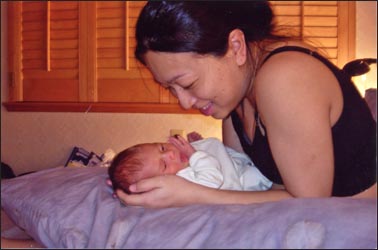
사진 3-240. 눈길 접촉 사랑, 신체적 접촉 사랑과 조건 없는 진정한 사랑을 충분히 받고 자란 아이는 자신을 사랑하는 것은 물론이고 남들도 사랑하고 무엇을 하든지 최선을 다한다. 어려서부터 건전한 자존심과 자신감을 갖고 산다.
Copyright ⓒ 2012 John Sangwon Lee, MD., FAAP
-
자기의 가치와 능력을 스스로 생각하고 평가하고 느끼고 건전하게 높게 평가하는 것이 자존심이다.
-
누구에게든 건전한 자존심이 있기 때문에 “나”라는 존재가 있고 “내가 이 세상에서 둘도 없이 중요한 존재이다”라고 한다.
-
이런 건전한 자존심을 갖는 것은 소아들의나 성인들의 삶에서 아주 중요하다.
-
건전한 자존심을 얼마나 많이 갖고 강력한가에 따라 자기의 삶에서 성공 여부가 결정될 수 있다.
-
그런데도 자존심이 무엇인지 모르고 사는 사람들도 많다.
-
건전한 자존심을 풍부하게 가진 아이들은 다른 사람들을 더 사랑할 줄 알고 다른 사람들로부터 사랑을 더 많이 받는다.
-
건전한 자존심은 삶에서 꼭 있어야 할 필수품이다.
-
건전한 자존심을 풍부히 가지고 있으면 무엇을 하든 최선을 다하고 그의 삶에 안정감이 생긴다.
-
새 일에 부딪쳐도 겁을 내지 않고 두려워하지 않는다. 그 새 문제를 풀어 나갈 수 있는 마음을 단단히 갖고 새 문제를 풀어 나갈 수 있는 태도를 자연스럽게 취하는 것이 보통이다.
-
그와 반대로 건전하지 못한 자존심을 갖거나 손상된 자존심을 갖거나 건전한 자존심이 없는 사람들은 다른 사람들을 사랑할 줄도 모르고 다른 사람들로부터 사랑을 받지도 못한다. 그들은 일상생활을 하는 데도 무기력하고, 낯선 사람들을 대할 때 두려워하고, 새로운 일을 자발적으로 시작하는 것도 두려워하고, 시작은 할 수 있지만 그 일을 계속 추진하는 과정이 어색하게 보일 수 있다.
-
건전한 자존심이 얼마나 건전하고 얼마나 풍부한가에 따라 학교 공부 능률과 성취도가 달라진다. 성장 발육의 정도와 성숙도에도 크게 영향 준다. 또래들과의 친분 관계를 맺고 다른 사람들과의 대인 관계를 맺는 데도 많이 영향을 준다.

사진 3-241. 눈길 접촉 사랑과, 신체적 접촉 사랑과 조건 없는 진정한 사랑을 충분히 받고 자란 아이는 좋은 눈길을 갖고 어려서부터 건전한 자존심과 자신감을 갖고 자란다.
Copyright ⓒ 2012 John Sangwon Lee, MD., FAAP
-
그뿐만 아니라 건전한 자존심은 건전하게 사는 삶 방향을 설정하는 데도 큰 영향을 미친다.
-
자녀들이 자라는 동안 이런 자존심의 기복이 정상적으로 생기는 것이 보통이다.
-
부모로부터 조건 없는 진정한 사랑을 충분히 받고 자란 유아 자녀들의 자존심은 왕성하다.
-
그래서 그들은 자기 주위에 있는 것들, 이것저것을 보고 만지고 느끼고 생각하고 그것들로부터 스스로 무엇을 느끼면서 배운다.
-
건전한 자존심을 가진 학령기 아이들, 사춘기 아이들은 낯선 사람을 대할 때 두려워하지 않고 그들을 별로 의심 하지 않고 쉽게 받아들이고 편안히 대한다. 자기가 느끼고 생각한 것에서 의문이 있으면 서슴지 않고 질문하고 더 알아보려고 노력하는 경향이 있다.
-
그들에게는 호기심이 아주 많다.
-
건전한 자존심을 가진 학령기 아이들, 사춘기 아이들이나 성인들에게서 주로 볼 수 있는 성격이다.
-
점점 더 성장 발육해 학령기가 되면 학교에서 가정에서 자기의 자존심의 현주소에 관해 가끔 의심해 보기 시작하고, 자기의 가치와 능력을 다른 또래 아이들의 가치와 능력과 비교해 본다.
-
때로는 자기가 얼마나 가치 있는 사라인지, 또 자기의 능력, 신체상(Body image)은 또래들의 가치, 능력, 신체상보다 더 좋은지 그들 것 보다 하위에 있는지 심각하게 평가해보기도 한다. 평가 결과에 따라 그들의 일부는 지금까지 가졌던 건전한 자존심이 손상되기도 한다.
-
일부 사춘기 아이들은 자신들의 신체상을 부정적 시각으로 보고, 그들의 자존심이 손상될 수 있다.
-
때로는 자신의 신체상을 상당한 부정적 시각으로 보고 당황할 수 있다.
-
무럭무럭 성장 발육하고 감성이 예민한 일부 사춘기 아이들은, 특히 자신 신체상 하나하나에 상당히 예민하게 반응한다. 신체의 어떤 부분이 또래들의 것보다 조금만 더 커도 또는 조금만 더 작아도 고민하고 건전한 자존심이 손상된다. 조금만 뚱뚱하거나 조금만 홀쭉한 신체상으로 건전한 자존심에 굴곡이 많이 생길 수 있다.
Raise your children to develop a healthy sense of self-esteem.
Photo 3-240. A child who grows up receiving an abundance of love—expressed through eye contact, physical touch, and unconditional, genuine affection—not only learns to love themselves but also learns to love others and strives to do their best in everything they undertake. From a young age, they live with a healthy sense of self-esteem and self-confidence.
Copyright ⓒ 2012 John Sangwon Lee, MD., FAAP
Self-esteem is how one perceives, evaluates, and feels about one’s own worth and abilities—ideally, holding a positive and high regard for oneself.
Because everyone possesses this healthy self-esteem, one recognizes their own existence and understands that “I am a unique and profoundly important being in this world.”
Possessing such healthy self-esteem is vital in the lives of both children and adults.
The degree and strength of one’s healthy self-esteem can often determine the level of success one achieves in life.
Yet, many people go through life without truly understanding what self-esteem is.
Children who possess a strong sense of self-esteem are better at loving others and, in turn, receive more love from those around them.
Healthy self-esteem is an essential necessity in life.
When an individual possesses a robust sense of self-esteem, they are inclined to give their best in all endeavors, and they develop a sense of stability in their life.
They do not shy away from or fear encountering new challenges. Instead, they typically approach new problems with a firm mindset and a natural, proactive attitude toward resolving them. Conversely, those who possess an unhealthy or damaged sense of self-esteem—or who lack a healthy sense of self-esteem altogether—are often unable to love others or receive love from them. They may feel listless in their daily lives, experience fear when interacting with strangers, and feel apprehensive about initiating new tasks; while they might manage to begin something, the process of following through can often appear awkward or strained.
The degree to which one’s self-esteem is healthy and robust directly influences academic efficiency and achievement. It also significantly impacts physical growth, development, and overall maturity, as well as one’s ability to form friendships with peers and establish interpersonal relationships with others.
Photo 3-241. A child who has been raised with an abundance of love—expressed through eye contact, physical touch, and genuine, unconditional affection—tends to develop a warm, engaging gaze, along with a healthy sense of self-esteem and self-confidence from an early age.
Copyright ⓒ 2012 John Sangwon Lee, MD., FAAP
Furthermore, a healthy sense of self-esteem plays a major role in shaping the direction of one’s life toward a wholesome and positive path.
It is entirely normal for children to experience fluctuations in their self-esteem as they grow.
Young children who have been raised with plenty of genuine, unconditional love from their parents tend to possess a vibrant and strong sense of self-esteem.
Consequently, they are able to observe, touch, feel, and contemplate the world around them, learning through their own personal experiences and the impressions they form. School-aged children and adolescents with a healthy sense of self-esteem tend to approach strangers without fear or excessive suspicion; they accept others easily and interact with them comfortably. If they have questions regarding their own thoughts or feelings, they do not hesitate to ask or seek further information.
They possess a great deal of curiosity.
This is a personality trait commonly observed in school-aged children, adolescents, and adults who maintain a healthy sense of self-esteem.
As children grow and reach school age, they begin to reflect on the state of their own self-esteem, often comparing their own worth and abilities to those of their peers.
At times, they may critically evaluate their own value, capabilities, and body image, weighing them against those of their peers to determine whether they measure up or fall short. Depending on the outcome of this assessment, the healthy self-esteem they once held may become compromised.
Some adolescents develop a negative view of their own body image, which can damage their self-esteem.
In some cases, they may perceive their body image so negatively that it causes them significant distress.
Adolescents—who are in a phase of rapid growth and heightened emotional sensitivity—can be particularly attuned to specific aspects of their own physical appearance. If a certain part of their body is even slightly larger or smaller than that of their peers, it can become a source of concern and undermine their healthy self-esteem. Being even slightly heavier or thinner than others can lead to significant fluctuations or setbacks in their self-esteem.
-
사춘기 아이들은 자연적으로 부모나 권위자들로부터의 독립 추구력이 대단하다. 그런 독립 추구력은 자연적으로 생긴다. 독립 추구 노력이 매우 강력하기 때문에 사춘기 자녀는 혼자서 어디에 가기도 한다. 또 부모의 도움이 없이 사춘기 자녀 혼자서 무엇을 하려고 노력한다.
-
사춘기 아이들은 그들의 또래들이나 친구들로부터 얼마나 잘 수용되고 그 수용되는 정도에 따라, 그들의 자존심의 건전 정도가 결정되기도 한다. 또 자존심이 얼마나 건전한지에 따라 독립 추구력이 많이 영향을 받는다.
-
사춘기 자녀가 건전한 자존심을 풍부하게 갖고 자라도록 사춘기 자녀를 도와주려면 역시 부모는 조건 없고 진정한 사랑을 사춘기 자녀에게 많이 많이 해야 한다. 부모의 조건 없는 진정한 사랑은 사춘기 자녀의 삶의 원동력이 되기 때문이다.
-
신생아들도 영유아들도 학령기 아이들도 사춘기 아이들도 부모로부터 조건 없는 진정한 사랑을 충분히 받고 자라야만 그들의 자존심이 건전하고 강인해진다.
-
자존심이 건전하고 강력한 자녀들은 무엇을 하든지 누구를 만나든지 무엇을 시작하든지 두려워하지 않고 최선을 다한다.
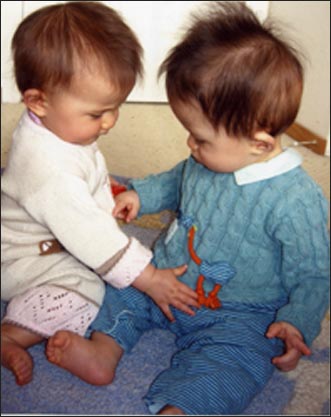
사진 3-242. 눈길 접촉 사랑과 신체적 접촉 사랑을 충분히 받고 조건 없는 진정한 사랑을 충분히 받고 자란 아이는 좋은 눈길을 갖고 영유아기 때부터 건전한 자존심과 자신감을 갖고 산다. 그리고 친구를 잘 사귄다.
Copyright ⓒ 2012 John Sangwon Lee, MD., FAAP
-
부모로부터 소유적 사랑, 역할 전도적 사랑, 유혹적 사랑, 대리적 사랑([부모도 반의사가 되어야 한다-소아가정간호백과]-제 22권 아들 딸 이렇게 키워라-사랑 참조) 등 그릇된 사랑을 받고 자라거나 조건적으로 사랑을 받고 자라거나 진정한 사랑을 받지 않고 자란 사춘기 아이들에게는 건전한 자존심이 생기지 않는다.
-
그들의 자존심은 빈약하고 건전하지 못하다. 그들은 금방 알에서 깨어난 병아리같이 겁이 많고 연약하다.
-
부모들의 따뜻하고 사랑스런 눈길 접촉사랑을 받고 자라는 소아청소년들, 포근히 안아주고 업어주고 얼러주고 뽀뽀 등 신체적 접촉 사랑을 적절히 충분히 받고 자란 소아청소년들, 이 세상에서 가장 중요한 존재라고 온전히 느낄 수 있게 집중적 관심적 사랑과 보살핌을 온통 받으면서 자란 소아청소년들, 사랑으로 훈련을 받은 소아청소년들은 성인이 되어서도 자존심을 건전하게 갖는다.
-
나서부터 다 성장할 때까지 자라는 동안 집중 관심적 사랑과 보살핌을 충분히 받은 소아청소년들의 자존심은 더 높고 많고 더 건전하고, 그들 스스로 자신감을 더 갖는다. 그리고 대화를 통해 의사소통을 할 때도 더 편안하다.
-
부모들은 자녀들의 사랑 탱크를 조건 없이 진정한 사랑으로 평소에 가득히 채워 주어야 한다. 그래야만 그들의 자존심은 더욱 건전해지고 강화된다. 그 사랑 탱크에 차 있던 부모로부터 받은 사랑이 점점 줄어들면 그들의 건전한 자존심도 점점 줄어들고 손상받게 된다.
-
극도로 격동적인 이 세상에서 아무리 바쁜 삶을 영유 하더라도 부모들은 자녀들에게 조건 없는 진정한 사랑을 충분히 해주고, 그들의 사랑 탱크를 눈길 접촉 사랑으로 신체적 접촉 사랑 그리고 집중적 관심 사랑과 보살핌으로 끊임없이 계속 채워주면서 “나는 너를 사랑한다,”는 말을 그들이 확실히 들을 수 있도록 자주 크게 해주면 그들의 자존심은 더 건전해 지고 강력하게 형성된다.
- Adolescents naturally possess a strong drive to seek independence from their parents or other authority figures. This drive emerges spontaneously. Because this urge for autonomy is so powerful, adolescents may venture out on their own or attempt to accomplish tasks without parental assistance.
The health of an adolescent’s self-esteem is often shaped by the degree to which they are accepted by their peers and friends. Furthermore, the strength of their drive for independence is significantly influenced by the health of their self-esteem.
To help adolescents grow with a robust and healthy sense of self-esteem, parents must provide them with an abundance of unconditional, genuine love. Such love serves as a vital driving force in an adolescent’s life.
Whether they are newborns, infants, school-aged children, or adolescents, children need to receive ample, unconditional, and genuine love from their parents to develop a healthy and resilient sense of self-esteem.
Children with healthy, strong self-esteem are able to approach any task, encounter, or new beginning without fear, consistently giving their best effort.
Photo 3-242. A child who has been raised with plenty of love expressed through eye contact and physical touch—and who has received an abundance of unconditional, genuine love—develops a warm, engaging gaze. From infancy, such a child grows up with healthy self-esteem and self-confidence, and they are also adept at forming friendships. Copyright ⓒ 2012 John Sangwon Lee, MD, FAAP
Adolescents who grow up receiving “misguided” forms of love from their parents—such as possessive love, role-reversal love (where the child takes on a parental role), seductive love, or vicarious love—or those who are loved only conditionally or never truly loved at all, fail to develop a healthy sense of self-esteem.
Their self-esteem is fragile and unhealthy; they are as timid and vulnerable as a newly hatched chick.
In contrast, children and adolescents who grow up receiving warm, loving eye contact from their parents; who are nurtured through ample physical affection—such as being held, carried, comforted, and kissed; who are showered with focused attention and care that makes them feel they are the most important beings in the world; and who are guided through training rooted in love—these individuals go on to possess healthy self-esteem as adults.
Those who have received consistent, focused love and care throughout their development tend to have higher, more robust, and healthier self-esteem, along with greater self-confidence. They also find it easier to engage in communication and dialogue with others.
Parents should consistently fill their children’s “love tanks” with genuine, unconditional love. Doing so is the key to fostering and strengthening a healthy sense of self-esteem in their children. As the love received from parents—which fills a child’s “love tank”—begins to diminish, the child’s healthy self-esteem also wanes and becomes compromised. In this intensely turbulent world, no matter how busy their lives may be, parents should provide their children with an abundance of genuine, unconditional love. By consistently replenishing their love tanks—through eye contact, physical touch, focused attention, and dedicated care—and by frequently and clearly telling them, “I love you,” parents help their children develop a stronger, healthier sense of self-esteem. -
부모 여러분!
-
그렇게 자녀들을 키우고 있습니까?
-
그런 것 말고, 자존심을 강인하고 건전하게 길러 주는데 부모들이 도와 주어야 할 일들이 더 많이 있다.
-
예를 들면, 어린 자녀가 그들의 삶에서 팀워크를 잘못 하더라도, 게임에서 지더라도, 학교에서 영어 공부를 좀 못해도, 다른 아이들보다 잘못 생겼더라도, 특수한 재주를 소유하고 있지 않더라도, 한쪽 팔이 없는 장애아라도 그들을 조건 없이 진정으로 사랑해주어야 한다.
-
조건 없는 사랑을 받는 그들에게는 자존심이 더 높아지고 풍부해지고 그 자존심은 건전해진다.
-
한 자녀를 가졌든 두 자녀를 가졌든 여러 자녀를 가졌든, 자녀가 여아이든 남아이든 그 자녀를 조건 없이 진정으로 사랑해야 한다.
-
그가 무엇을 최상으로 성취하지 못해도 그를 조건 없이 사랑하고 최선을 다해서 나온 결과에 대해서 “잘했다.”라고’를 숨김없이 칭찬하는 것을 아끼지 말고 적절히 해야 한다.
-
그들은 칭찬을 들어야 그들의 자존심이 더 강력해지고 더 건전해진다.
-
그들이 최상급으로 잘 수행했을 때만 그들을 칭찬하면 대부분의 경우 그들은 최고로 잘할 수 없기 때문에 그들 스스로 실망하고 그들의 이미지나 자존심이 손상될 것이다. 우리 부모들은 이런 점에서 가끔 실수를 한다.
-
부모들은 그들이 최상급으로 잘하지 못했더라도 적절히 칭찬을 주는데 아끼지 말아야 한다.
-
눈길 접촉과 신체적 접촉으로 말로 그들을 사랑해 주어야 그들의 부모 사랑이 그들에게 잘 전달될 수 있다. 그런 사랑을 매일매일 많이 많이 해 주어야 한다.
-
이렇게 소아청소년(0-18세)기 자녀들을 사랑해서 양육한다는 것은 정말로 쉽지 않다. 그러나 건전한 자존심이 빈약한 자녀를 두는 것보다 더 불행한 것이 어디 있겠는가?
-
대가를 지불해야 한다.
-
생산적이고 행복하고 건전한 자존심을 많이 가진 자녀를 갖는 기쁨은 이 세상에서 무엇과 비교할 것인가.
-
학령기 자녀가 비록 그림을 썩 잘 그리지 못해도 그 자녀가 그린 그림이나 그 자녀에 대해서 부정적으로 말하는 것을 삼가야 한다.
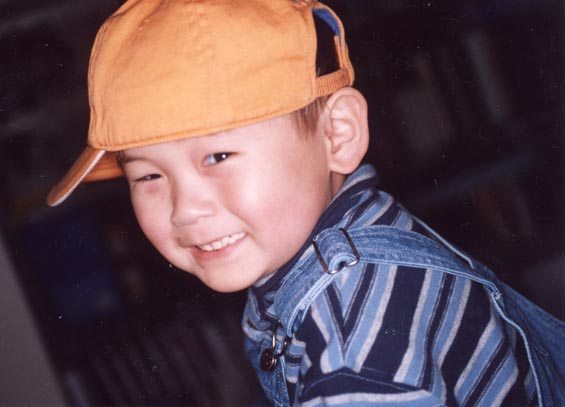
사진 3-245. 눈길 접촉 사랑과, 신체적 접촉 사랑, 조건 없는 진정한 사랑을 충분히 받고 자란 아이는 좋은 눈길을 갖고 어려서부터 건전한 자존심과 자신감을 갖고 산다.
Copyright ⓒ 2012 John Sangwon Lee, MD., FAAP
-
그가 가진 다른 재능에 관해 긍정적으로 평가해 주고 서슴지 말고 칭찬하면 자녀의 자존심이 강화되고 건전해진다.
-
일상생활에서 어떤 일을 했을 때 최선을 다하고 끝까지 선전을 한 자녀에게는 “너를 자랑스럽게 생각한다.”라고 말로 칭찬하고 용기를 북돋아 주어야 건전한 자존심이 그 자녀에게 생긴다.
-
물을 떠다 주거나 하찮은 심부름을 하거나 학교 숙제를 하면 서슴지 말고 “잘했다.”고 칭찬해 주어야 한다.
-
손뼉도 쳐 주고 안아 주고 좋은 눈길 접촉으로 뽀뽀해서 신체적 접촉으로 사랑을 적절히 해 주어야 그 자녀들에게 건전한 자존심이 생긴다.
-
“그까짓 것도 못하느냐?” “네 나이에 그런 것도 못하느냐?”는 식으로 굴욕감을 주면 그들의 자존심이 손상되고 그들의 마음이 아프다.
-
이런 하찮은 말 몇 마디가 어린 자녀의 삶 속에 부정적인 영향을 줄 수 있다.
-
부모가 자녀 양육에서 알게 모르게 건진 한마디마디를 극히 조심해야 한다.
-
그렇다고 해서 칭찬을 과도히 해서도 안 되고 부적절하게 해서도 안 된다.
-
때와 장소를 가려 적절하게 칭찬을 해 주어야 한다.
-
밥을 먹고 제 밥그릇을 부엌에 갖다 놓거나 방안을 치고 청소하는 학령기 자녀에게는 “잘했다.” “고맙다.”라는 정도로 칭찬하면 적절할 것이다.
-
적절한 칭찬을 들어야만 그들은 칭찬을 잘 받아들이고 그들의 자존심이 강화된다.
-
일을 하는데 최선을 다했지만 다 끝내지 못했거나 잘못했을 때 그를 전적으로 지지하면서 간헐적으로 비판을 할 수 있다.
-
그렇지만 잘못했다고 비난하거나 그 자녀를 억누르면 그의 자존심이 손상될 수 있다.
Parents!
Is this how you are raising your children?
Beyond such things, there is much more that parents can do to help their children develop a strong and healthy sense of self-worth.
For instance, even if a young child struggles with teamwork, loses a game, finds English class difficult, doesn’t look as “attractive” as other children, lacks any special talent, or even has a disability—such as missing an arm—you must love them truly and unconditionally.
When children receive unconditional love, their sense of self-worth grows, becomes richer, and remains healthy.
Whether you have one child, two, or several—and regardless of whether they are boys or girls—you must love them all with a genuine, unconditional love.
Even if they fail to achieve the absolute best results, love them unconditionally; and when they have given their best effort, do not hesitate to offer sincere praise, such as saying, “Well done!”
Hearing such praise helps their self-worth become stronger and healthier.
If you only praise them when they perform at the very highest level, they will often end up feeling disappointed in themselves—since they cannot always be the best—which can damage their self-image or sense of self-worth. As parents, we sometimes make this mistake.
Parents should be generous with appropriate praise, even when a child’s performance isn’t the absolute best.
Express your love through eye contact, physical touch, and words, ensuring that your affection is clearly conveyed to them. Offer this kind of love abundantly, every single day. Raising children—from infancy through adolescence (ages 0–18)—with love is truly no easy task. Yet, what could be more unfortunate than having a child who lacks a healthy sense of self-esteem?
It requires a price to be paid.
But what in this world could ever compare to the joy of having a child who is productive, happy, and possesses a strong, healthy sense of self-esteem?
Even if a school-aged child isn’t particularly skilled at drawing, one should refrain from making negative remarks about their artwork—or about the child themselves.
Photo 3-245. A child who grows up receiving an abundance of love expressed through eye contact, physical touch, and unconditional, genuine affection will develop a warm, engaging gaze and carry a healthy sense of self-esteem and self-confidence from an early age.
Copyright ⓒ 2012 John Sangwon Lee, MD., FAAP
By positively acknowledging a child’s other talents and offering praise without hesitation, you strengthen their self-esteem and help it grow in a healthy way.
When a child gives their best effort and perseveres in a task—no matter how small—you should offer encouragement and verbal praise, such as, “I am proud of you.” This helps foster a healthy sense of self-esteem.
Whether they bring you a glass of water, run a simple errand, or complete their school homework, do not hesitate to say, “Well done!”
By incorporating physical affection—such as clapping, hugging, sharing warm eye contact, or giving kisses—you provide the love necessary for a child to develop a healthy sense of self-esteem.
“You can’t even do something as simple as that?” Making a child feel humiliated—for instance, by asking, “Can’t you even do that at your age?”—damages their self-esteem and hurts their feelings.
Even a few seemingly trivial remarks can have a negative impact on a young child’s life.
Parents must be extremely careful with every word they say while raising their children.
At the same time, one should avoid excessive or inappropriate praise.
Praise should be offered judiciously, with careful consideration of the time and place.
For a school-aged child who, for example, takes their own bowl to the kitchen after a meal or tidies up their room, a simple “Well done” or “Thank you” is appropriate.
Receiving the right kind of praise helps children accept such feedback positively and strengthens their self-esteem.
If a child tries their best but fails to complete a task or makes a mistake, you can offer them full support while occasionally providing constructive criticism.
However, blaming them for a mistake or suppressing them will only serve to damage their self-esteem.
-
앞으로 또 잘못하지 않도록 잘못된 점은 꼭 짚고 넘어가야 한다.
-
또한 부모는 그 자녀에게 모범을 보여 잘못된 것을 바르게 고치도록 해야 건전한 자존심이 더 강력해지고 더 건전해진다.
-
자녀가 아무리 어릴지라도 부모가 진실로 자기를 도와주는지 진심으로 칭찬하는지 자기를 놀리는지 안다.
-
자기가 잘못한 것을 용서해 주는지, 그 잘못을 그냥 묵과하고 넘어가는지도 안다.
-
건전한 자존심을 풍부히 가진 자녀들은 남과 대화할 때도 눈길 접촉을 좋게 하고 웃으면서 명랑하게 자란다.
-
자존심이 결여된 자녀들은 남들과 대화를 하는 동안 웃지도 않고 상냥하고 좋은 눈길로 상대자를 쳐다보지도 않고 좋은 눈길 접촉을 할 줄 모른다.
-
때로는 대화 중 눈길을 아래, 옆, 또는 딴 곳으로 돌려 대화하고 있는 상대방을 불쾌하게 만든다.
-
더 무서운 것은 대화 중 눈길을 딴 곳으로 돌리기 때문에 대화하고 있던 상대방은 자기를 싫어서 대화를 계속 하기를 꺼려한다고 잘못 생각하고, 때로는 아예 대화를 중단하거나, 또다시 만나주지 않을 수 있다. 같이 대화하는 사람의 자존심도 상하게 만든다. 이 얼마나 비참한 대인관계인가. 자존심이 결핍된 학령기 아이들 또는 사춘기 아이들과 눈길 접촉을 할 때 편안치 않아서 그들과 같이 있으면 대화하기도 어렵고 그들과 친한 관계를 맺기도 어렵다.
-
그런 학령기 아이나 사춘기 아이는 불건전한 자존심을 갖기 쉽고 원만하게 사회생활을 할 수 없다. 더 나아가서는 삶에서 성공하기도 어려울 수 있다는 것을 이해할 수 있다. 자녀들에게 조건 없는 진정한 사랑을 해 주는 것도 대단히 중요하지만 그들을 사랑으로 잘 훈련시켜야 그들은 건전한 자존심을 풍부히 갖고 잘 성장 발육한다. 그들에게 좋은 눈길 접촉을 하는 법을 가르쳐야 한다.
-
부모의 슬하에서 자라는 동안 자녀가 매일매일 좋은 눈길 접촉을 하고 있는지 관찰하고 부모에게도 좋은 눈길 접촉을 하도록 계속 훈련시켜야 한다.
-
태어난 후 자연히 좋은 눈길을 갖는다고 생각해서는 안 된다.
-
이렇게 훈련받고 자란 아이들은 어려서도 자라서 성인이 되어서도 남과 대화 중 상대방에게 좋은 눈길 접촉을 해서 좋은 지도자들, 훌륭한 선생님들, 좋은 친구들을 많이 만나고 사귀고 건전한 자존심을 갖는다.
-
자기가 한 행동과 결과에 대해 책임지도록 훈련시켜서 건전한 자존심을 갖도록 한다.
-
자녀들의 나이와 능력에 적합한 팀워크에 참여하도록 도와주고 팀워크를 할 때는 최선을 다하도록 훈련시켜야 그들의 자존심이 건전해지고 강해진다.
-
팀워크를 하는 동안 그의 긍정적 행동과 부정적인 행동에는 어떤 것이 있었는지, 그런 긍정적, 또는 부정적 행동으로 인해 생긴 결과가 무엇인지도 알아보고 부정적인 행동은 긍정적 행동으로, 긍정적인 행동은 더 긍정적 행동으로 강화시켜 주어야 그들의 자존심이 건전해지고 강화된다.
-
그 외의 가정생활 규칙을 정할 때 공평하게 세워야 하고, 일단 세운 가정 규칙은 꼭 지키도록 교육시키고 그 규칙에 따라 훈련시킨다. 세운 가정 규칙이 그 자녀에게 너무 엄격하거나, 그 자녀가 그 규칙을 따라 행동할 수 없고 너무 형식적으로 세웠거나, 잘못 정해서 실행성이 어려울 것 같으면 실행할 수 있도록 실용적 가정 규칙으로 적절히 고쳐야 한다.
-
여기에서도 부모는 자녀에게 일거일동에서 모범이 돼야 하고 솔선수범해야 한다. 이렇게 해야만 자라는 자녀의 자존심은 더 건전해지고 더 강력해진다.
-
“Don’t Do As I Do, Do As I Say” “내가 하라는 대로 따라 하고 내가 하는 대로 따라서 말고 내가 말하는 대로 따라서 하라”는 식의 부모의 훈련 방법은 자녀들의 건전한 자존심을 손상시킨다.
-
어떤 과제를 계획하고 수행하기 전에 그 과제에 관한 참고서를 읽는 습성을 가르치고 학교 공부를 열심히 잘하는 것은 아주 중요하고, 공부를 열심히 잘하면 좋은 학업성적이 나올 것이고 그에 따라 자존심이 더 건전해지고 강력해질 수 있다고 가르친다.
-
긍정적으로 말하는 법, 올바른 예의범절을 따르도록 가르치고 그 가르침을 따르도록 한다.
-
약속을 꼭 지키고 백색 거짓말(선의적 거짓말/White lie)도 빨간 거짓말도 하지 말라고 가르치고, 다른 사람들의 의견을 존경하고 무엇을 보고 듣고 어떤 일을 해결할 때는 합리적이고 논리적이고 순리적으로 생각하라고 가르친다. 이런 가르침을 실행하고 온화하고 선량하게 열심히 일하면서 살도록 훈련받은 자녀들에게는 자존심이 건전하고 풍부해진다고 가르친다.
-
예의에도 벗어나고 윤리에도 벗어나고 도덕에도 벗어난 잘못된 행동을 하더라도 기가 죽는다고 그냥 내버려 두고 옳게 행동하도록 훈련을 시키지 않고 방관하는 부모들도 있다. 기가 죽을까 두려워서 부모의 훈련을 사랑으로 받지 않은 아이들은 무엇이 옳고 무엇이 그른지 잘 분별하지 못하고 자랄 수 있다.
-
그 때문에 그들에게는 건전한 자존심이 생길 수도 없고 성공한 삶을 누리기도 어려울 것이다. 올바른 예의, 윤리, 도덕을 가르친다.
-
아버지는 이렇게 하라고 명령하고, 엄마는 저렇게 하라고 명령하는 일률성 없는 엄마 아빠 가정 교육 방식으로 훈련시키면 그들의 마음과 행동, 정신이 혼동된다. 그러므로 두 부모는 일률성 있게 자녀를 훈련시켜야 한다.
-
어린 자녀가 아무리 시시한 말을 할지라도 그 자녀의 말에 귀를 기울이고 끝까지 경청하면 그 자녀는 부모가 자기를 사랑하고 존경한다고 믿는다. 자녀는 부모가 열심히 자기에게 경청하는지 무관심한지 잘 안다. 부모가 잘 경청하면 그의 자존심은 더 건전해지고 더 강력해진다.
-
그날을 어떻게 보냈고, 어떤 일들이 생겼었다고 자녀가 자발적으로 스스로 말할 때 그냥 들어 넘기지 말고 끝까지 귀담아 들어주고 그 자녀가 했던 일과 그에게 일어났던 일에 관심을 갖고 도와주고 사랑하면 그들의 자존심이 더 강력해 지고 더 건전해진다.
To prevent the repetition of mistakes, it is essential to address and correct what went wrong. Furthermore, by setting a proper example, parents can guide their children to rectify their errors; this process strengthens and fosters a healthy sense of self-esteem. Even very young children can discern whether a parent is genuinely offering help, providing sincere praise, or merely teasing them. They also know whether a parent truly forgives their mistakes or simply overlooks them. Children with a robust, healthy sense of self-esteem tend to engage in good eye contact and interact with others in a cheerful, smiling manner. In contrast, children who lack self-esteem often fail to smile or offer a warm, pleasant gaze during conversations; they simply do not know how to maintain appropriate eye contact. Sometimes, they may shift their gaze downward, to the side, or elsewhere, which can make the person they are speaking with feel uncomfortable. Even more concerning is that such behavior can lead the other person to mistakenly believe that the child dislikes them or is reluctant to continue the conversation—potentially causing the other person to end the interaction entirely or refuse future encounters. This also hurts the self-esteem of the person they are speaking with—a truly unfortunate state for any interpersonal relationship. Interacting with school-aged children or adolescents who lack self-esteem can be uncomfortable, making it difficult to hold a conversation or build a close relationship. Such children or adolescents are prone to developing an unhealthy sense of self-esteem and often struggle to navigate social life effectively. Furthermore, it is understandable that without such guidance, achieving success in life may prove difficult. While providing children with unconditional, genuine love is of utmost importance, it is equally vital to guide them through loving discipline; this fosters the development of a healthy sense of self-esteem as they grow. Specifically, children should be taught how to maintain good eye contact.
Throughout their upbringing, parents should observe whether their children engage in proper eye contact on a daily basis and consistently encourage them to practice this with others, including the parents themselves.
One should not assume that a child will naturally develop good eye contact from birth.
Children who are trained in this way—both in their youth and into adulthood—tend to maintain effective eye contact during conversations. This helps them connect with and befriend excellent leaders, inspiring teachers, and good companions, all while nurturing a sound sense of self-esteem.
Children should also be taught to take responsibility for their actions and the resulting consequences, which further strengthens their self-esteem.
Encouraging children to participate in team activities—tailored to their age and abilities—and teaching them to give their best effort helps build a robust and healthy sense of self-worth.
During such team activities, parents should help children reflect on their positive and negative behaviors, as well as the outcomes that followed. By guiding them to replace negative actions with positive ones and reinforcing existing positive behaviors, parents can help solidify and strengthen their children’s self-esteem.
Additionally, any rules established for family life should be fair; once set, children should be taught to strictly adhere to these rules and be guided to follow them consistently. If the household rules established for a child are too strict, overly formal, or impractical to follow, they should be revised into more realistic and workable guidelines.
In this process, parents must serve as role models, setting an example through their own actions. Doing so fosters a healthier and stronger sense of self-esteem in a growing child.
An approach characterized by the attitude, “Do as I say, not as I do,” undermines a child’s healthy self-esteem.
It is essential to teach children the habit of consulting reference materials before planning or undertaking a task. Furthermore, emphasizing the importance of academic diligence—which leads to good grades—can help a child develop a healthier and more robust sense of self-esteem.
Children should also be taught to use positive language and observe proper manners, and they should be encouraged to put these lessons into practice.
They should be taught to keep their promises, to avoid all forms of lying—whether “white lies” (well-intentioned falsehoods) or more serious ones—and to respect the opinions of others. They should also learn to approach what they see, hear, or encounter in a rational, logical, and sensible manner. Children who are guided in this way—learning to live with a gentle, kind, and diligent spirit—will develop a healthy and well-rounded sense of self-esteem. Some parents, fearing that their children might lose their spirit or confidence, choose to stand by and do nothing—failing to provide guidance or training—even when their children engage in behavior that violates proper etiquette, ethics, or moral standards. Children who are not guided by their parents—out of a misguided fear that such correction might dampen their spirit—may grow up unable to distinguish between right and wrong.
Consequently, these children may struggle to develop a healthy sense of self-esteem and find it difficult to lead a successful life. It is essential to teach children proper etiquette, ethics, and moral values.
If parents provide inconsistent guidance—with the father issuing one set of instructions and the mother another—it creates confusion in the child’s mind, behavior, and overall mental state. Therefore, both parents must ensure their approach to raising and training their children is consistent.
Even when a young child says something trivial, listening attentively until they have finished speaking signals to them that their parents love and respect them. Children are highly perceptive; they know whether their parents are truly listening or are indifferent. When parents listen well, a child’s self-esteem becomes both healthier and stronger.
When a child chooses to share how they spent their day or what happened to them, do not simply brush it off. Listen carefully to the end, show genuine interest in their experiences and actions, and offer support and love. Doing so will help their self-esteem grow stronger and healthier.
-
가족 모임에서 의견을 발표할 기회를 그 자녀에게 주고 그의 의견을 들어준다. 부모의 의견에 반대 의견을 내세우더라도 그 자녀의 의견이 틀렸더라도 그 자녀의 의견을 존중해 주면 건전한 자존심이 생긴다.
-
우리 모두 제한된 시간 속에서 산다. 하루 24시간, 1주에 7일, 1년 365일이란 고정된 시간 속에서 산다. 삶에서 일정하게 주어진 시간 내에 해야 할 일들은 셀 수 없이 많다. 우리는 삶에서 해야 할 우선순위를 정하고 그 순위에 따라 시간표를 짜고 우리에게 제일 가는 우선순위에 있는 우리 자녀들을 위해서 시간을 적절히 써야 한다. 하루 24시간 동안에 적어도 10~30분 동안, 아니면 다만 몇 분 동안이라도 한 자녀와 함께 보내는 시간을 가져야 한다. 한 자녀와 함께 시간을 보내는 동안 그의 삶에서 일어나고 있는 문제들을 같이 생각해 보는 기회를 가져야 한다.
-
이렇게 부모와 자녀가 함께 시간을 보내는 동안 그 자녀가 이 세상에서 가장 중요한 자녀라고 느낄 수 있게 그 자녀를 집중적 관심적 사랑을 해 주어야 한다.
-
이렇게 시간을 보내면서 그에게 집중적 관심적 사랑과 보살핌을 해 주면 그 자녀가 마음속 깊이 간직한 자기 비밀을 부모에게 털어놓을 수 있다. 이런 집중적 관심적 사랑을 해 줄 때가 부모 자녀 간 대화가 진지하게 진행될 수 있는 좋은 기회가 된다. 그를 부모의 따뜻한 눈길로 신체적 접촉으로 집중적으로 사랑해주면서 사랑 탱크에 부모의 사랑을 가득히 채워줄 수 있고, 그의 자존심이 건전해지고 강화될 수 있고, 긍정적으로 살 수 있는 힘을 부여하게 된다.
-
자녀가 책, 종이, 연필, 장난감, 옷 등으로 자기의 방을 어질러 놓았을 때 “너”란 주어를 써서 “너는 왜 방을 치우지 않느냐”라고 말해서 훈련시키는 대신 “나”라는 주어를 써서 “나는 그 방을 보면 불쾌하다.” 또는 “싫다.”라는 식으로 말을 해서 훈련을 시키면 그 자녀의 자존심이 덜 손상될 것이다.
-
사춘기 자녀가 자기의 장래 직업 선정에 관해 부모의 의견을 물었을 때 자녀가 선택한 직업에 대해 긍정적으로 보고 선택에 찬성하는 방향으로 나가야 자존심이 더 강화된다. 부모가 바라고 있었던 그 자녀의 장래 직업은 의사가 되기를 바랐지만 그 자녀가 초등학교 교사가 되고 싶다고 결심했을 때는 가능한 한 그 자녀가 선택하는 장래 직업을 긍정적으로 받아들이고 그의 뜻대로 선정해서 교사가 되게 도와주어야 그 자녀의 자존심이 건전하게 된다.
-
필요한 좋은 책을 책임지고 읽도록 훈련시키고 자기 소유물은 스스로 잘 관리하도록 훈련시킨다. 부모는 자녀의 허락 없이 장난감이나 책이나 다른 소유물을 버리거나 가져서도 안 된다.
-
뚱뚱보라든지 빼빼라든지 게으르다든지 바보라는 말, 루저(Loser) 등 경멸하는 말을 하면 자존심이 손상된다. 자녀가 아무리 어리더라도 자녀는 독립된 한 인간이다. 부모는 자녀를 소유할 수도 없고 부모가 소유한 자녀도 아니다. 부모가 흥미 있게 생각하고 좋아한다고 해서 부모의 뜻을 맹종하라고 강요해서는 절대로 안 된다. 이런 사랑을 소유적 사랑이라 한다. 이런 사랑은 그릇된 사랑이며 자녀의 자존심을 손상시키는 큰 원인이 된다. 이런 사랑을 받고 자라면 건전한 자존심이 생기지도 않고 조금 있는 건전한 자존심조차 크게 손상될 것이다.
-
그 자녀가 어떤 일을 하려고 계획할 때는 그 일과 계획이 적절한가 알아보고 또 적절하면 성공적으로 그 일을 수행할 수 있도록 도와주고 수행하는 중 어떤 문제가 생기면 필요에 따라 부모와 같이 해결한다. 가능하면 처음부터 분수와 능력에 넘치는 일을 시작하지 않도록 훈련시키고 큰일을 할 때는 짧은 시간 내에 목적 달성을 하려고 서두르지 말고 그 큰일을 작게 쪼개서 하는 방법도 있고, 한 단계 한 단계씩 차근차근 목적지까지 밟아 올라가는 방법도 있다고 가르친다.
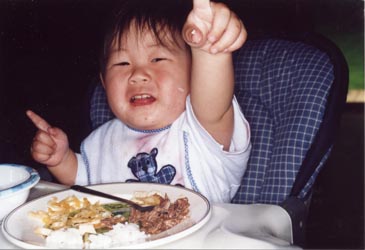
사진 3-246. 눈길 접촉 사랑과 신체적 접촉 사랑, 조건 없는 진정한 사랑을 충분히 받고 자란 아이는 좋은 눈길을 갖고 어려서부터 건전한 자존심과 자신감을 갖고 산다.
Copyright ⓒ 2012 John Sangwon Lee, MD., FAAP
-
아무 계획도 없이 일을 하다가 끝내지 못하거나 중도에 실패하면 자존심이 손상될 수 있고, 반대로 그 일을 성공적으로 해결하면 건전한 자존심이 생긴다.
-
어떤 일을 해결할 때 어려웠던 점과 쉬웠던 점이 무엇이었는지 알아보고 그와 거의 같은 일을 또다시 한다면 다른 방법으로 할 수 있는지도 알아본다.
-
그가 일을 해결할 때 부모가 처음부터 끝까지 직접 가담해서 전적으로 그 일을 직접 해결해 주어서는 안 된다.
Give your child the opportunity to express their opinions during family gatherings, and take the time to listen to them. Even if they disagree with you or their views happen to be incorrect, respecting their input helps them develop a healthy sense of self-esteem.
We all live within a limited amount of time—24 hours a day, 7 days a week, 365 days a year. There are countless tasks to accomplish within this fixed span of life. We must establish priorities, create a schedule based on those priorities, and ensure that we dedicate appropriate time to our children—who should be our highest priority. Try to set aside at least 10 to 30 minutes—or even just a few minutes—each day to spend one-on-one with your child. Use this time to reflect together on the challenges or issues they may be facing in their life.
During these moments, shower your child with focused attention and love, making them feel as though they are the most important person in the world.
By providing this kind of dedicated attention, care, and love, you create an environment where your child feels safe enough to share their deepest, most private thoughts with you. Such focused, loving attention opens the door for meaningful, sincere conversation between parent and child. Through warm, affectionate gazes and physical touch, you can fill your child’s “love tank” to the brim; this not only strengthens their self-esteem but also empowers them to live a positive life. When a child leaves their room cluttered with books, paper, pencils, toys, or clothes, instead of using “you” statements—such as “Why haven’t you cleaned your room?”—to correct them, parents can use “I” statements, such as “I feel uncomfortable when I see this room” or “I don’t like this.” This approach is less likely to damage the child’s self-esteem.
When an adolescent asks for their parents’ opinion on a future career, the child’s self-esteem is strengthened if the parents respond positively and support the child’s choice. For instance, even if parents had hoped their child would become a doctor, but the child decides they want to be an elementary school teacher, the parents should—as much as possible—embrace that choice and help the child pursue their own path; this fosters a healthy sense of self-esteem.
Children should be encouraged to take responsibility for reading worthwhile books and managing their own personal belongings. Parents must never discard or take away a child’s toys, books, or other possessions without the child’s permission.
Using derogatory labels—such as calling a child “fat,” “skinny,” “lazy,” “stupid,” or a “loser”—damages their self-esteem. No matter how young they may be, a child is an independent human being. Children are not the property of their parents, nor can they be “owned” by them. Parents should never force a child to blindly obey their wishes simply because the parents happen to find certain things interesting or desirable. This type of attitude is known as “possessive love.” This type of love is misguided and serves as a major cause of damage to a child’s self-esteem. Growing up under such “love” prevents the development of healthy self-esteem and can severely erode whatever healthy self-esteem might have already existed.
When a child plans to undertake a task, parents should help them evaluate whether the task and the plan are appropriate. If they are, parents should assist the child in carrying them out successfully; should any problems arise during the process, parents can work with the child to resolve them as needed. Whenever possible, children should be trained from the outset to avoid taking on tasks that exceed their current capacity or level of maturity. When tackling a large project, they should be taught not to rush toward an immediate outcome, but rather to break the task down into smaller, manageable parts—advancing toward the final goal one step at a time.
Photo 3-246. A child who grows up receiving ample love expressed through eye contact, physical touch, and unconditional, genuine affection will develop a warm, engaging gaze, along with a healthy sense of self-esteem and self-confidence from an early age.
Copyright ⓒ 2012 John Sangwon Lee, MD., FAAP
If a child attempts a task without any planning and fails to complete it, their self-esteem may suffer; conversely, successfully completing a task fosters healthy self-esteem.
After completing a task, the child should reflect on what aspects were difficult and what was easy. If they were to attempt a similar task again, they might consider whether it could be approached in a different way.
Parents should not intervene by taking full control of the task from start to finish, effectively doing the work for the child.
-
요즘 미국 사춘기 전 영유아기 학령기의 아이들과 사춘기 아이들의 약 6%가 주의력 결핍장애와 과도 활동 장애, 우울증, 행동장애, 스트레스 등으로 정신 안정제와 신경 정신 자극제 등으로 치료 받고 있는 실정이다. 그런 문제들을 지닌 소아청소년들 스스로 스트레스를 해결하는 법을 소아청소년들에게 가르친다.
-
삶에서 오는 제반 문제에 도전하는 강력한 힘을 갖는 방법을 가르치고, 그들의 능력에 대해 칭찬과 지지를 아끼지 않고 그들을 사랑하면서 옹호한다.
-
어떤 일에 두려워하거나 그 일을 할 능력이 없다고 판단되면 계속하라고 강요하지 말고 다른 일을 하도록 도와준다.
-
여러 종류의 일이나 활동 범위 중 그가 할 수 있다고 생각하는 일이나 활동에 관심 갖도록 가르친다. 그리고 스트레스를 덜 받고 도전할 수 있는 새로운 일을 하도록 권장한다. 그래도 스트레스를 받으면 육체적 운동, 심호흡 운동, 또는 다른 방법으로 스트레스를 풀도록 도와주고 부모가 스트레스 해소법을 그에게 보여준다([부모도 반의사가 되어야한다-소아가정간호백과]-제 22권 아들 딸 이렇게 키워라-스트레스 해소방법 참조).
-
가정은 그 자녀에게 가장 즐겁고 편안한 안식처이고 보금자리이고 배움터가 되어야 한다. 그야말로 스위트 홈이 되어야 한다. 그런데도 요즘, 부모들은 유행 이혼, 기분 나쁜 이혼, 즐겁게 살기 위한 이혼, 황혼 이혼이나 별거 생활을 해서 어린 자녀들이 안식처를 송두리째 잃고 만다.
-
심은 대로 나는 인과관계를 잊어버리고 노후에는 57세 이후부터 독거 삶을 누리는 결과를 적어도 한 번쯤 생각해 볼 일이다.
-
균형 잡힌 영양가 음식물을 규칙적으로 하루 세 끼 먹게 한다. 그날 할 일을 잘 수행할 수 있는 에너지와 영양분을 아침 식사에서 주로 얻는다. 때문에 아침 식사는 하루 세 끼 식사 중 아주 중요하다는 것을 가르친다. 적절한 육체적 운동을 규칙적으로 하고 흡연을 하지 않게 가르치고, 부모도 흡연하지 않는다. 건강하게 사는 법을 보이고 가르친다.
-
그의 행동과 결과에 대해 책임지고 남의 것도 내 것같이 존중하고 어린이들이나 빈곤한 사람들이나 노약자들을 업신여기지 말고 차별대우를 하지 말라고 가르친다. 네가 3D 일(더럽고, 어렵고, 위험한 일)이 싫으면 남에게 시키지 말라고 가르친다.
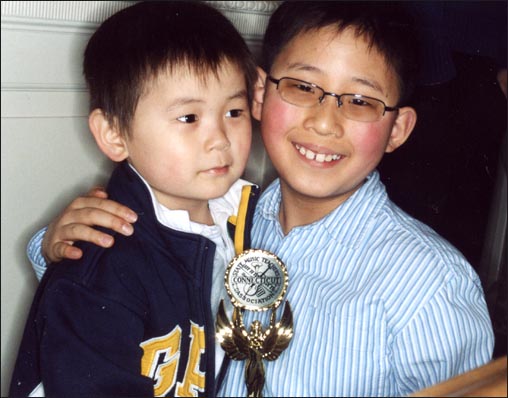
사진 3-247. 눈길 접촉 사랑과 신체적 접촉 사랑, 조건 없는 진실한 사랑을 충분히 받고 자란 자녀는 좋은 눈길을 갖고 어려서부터 건전한 자존심과 자신감을 갖고 산다.
Copyright ⓒ 2012 John Sangwon Lee, MD., FAAP
-
빨래하는 법, 청소하는 법, 빌(Bills)을 정리하는 법, 체크(개인수표) 사용 법, 쓰레기 버리는 법, 밥하는 법 등을 가르치고 부모를 떠나 멀리서 대학생활을 할 때나 독립해서 혼자 생활하는데 필요한 것들을 가르친다.
-
이렇게 훈련받은 자녀들은 정신적으로 육체적으로 건강하고 건전한 자존심을 갖게 된다. 모르면 당연히 모든 것을 두려워한다.
-
음주, 흡연, 습관성 약물 남용이 신체, 정신, 사회생활 전반에 부정적으로 영향을 준다고 가르치고, 그것과 관련되지 않도록 가르친다.
-
자녀의 교사들과 자주 만나고 연락해서 그 자녀가 학교에서 어떻게 공부하고 있는지 학교생활을 어떻게 하는지 알아보고 그 자녀의 자존심을 길러준다.
-
그 지역에서 일어나는 각종 행사, 스포츠, 드라마, 음악회 등에 부모와 같이 혹은 자녀만 참여하게 하고, 자원봉사를 하고 다른 과외활동을 통해 건전한 자존심을 기른다.
-
공부를 열심히 할 수 있게 공부방의 환경과 조건을 적절히 조성해 주고 숙제, 예습, 복습 등을 일정한 시간에 규칙적으로 하게하고, 공부할 때 질문이 있으면 어느 한도 내에서 답을 하는데 도와주되 자녀 대신 숙제를 직접 해주어서는 안 된다. 학원에서 공부하는 것보다 자발적으로 공부하는 길을 가르친다.
-
자녀가 스스로 도서관, 중고등학교나 대학에서 하는 행사나 주일학교를 통해서 배우고 건전한 자존심을 기르도록 한다.
In the United States today, approximately 6% of children—ranging from early childhood and school age to adolescence—are receiving treatment with psychiatric stabilizers or psychostimulants for conditions such as attention-deficit/hyperactivity disorder (ADHD), depression, behavioral disorders, and stress. It is essential to teach these children and adolescents how to manage and resolve their own stress.
They should be empowered with the strength to face the various challenges that arise in life; they need to be supported, encouraged, and loved, with their abilities recognized and praised.
If a child feels fearful about a task or believes they lack the capacity to perform it, they should not be forced to continue; instead, they should be guided toward other pursuits.
Encourage children to explore a variety of activities—focusing on those they feel capable of handling—and suggest new challenges that are less likely to induce excessive stress. If they still experience stress, help them find ways to alleviate it, such as through physical exercise, deep breathing, or other effective techniques. Parents should also model these stress-relief methods themselves (refer to *Encyclopedia of Pediatric and Family Nursing*, Vol. 22: *How to Raise Your Sons and Daughters – Methods for Stress Relief*).
A home should be the most joyful, comfortable sanctuary—a safe haven and a place of learning for a child. It should truly be a “sweet home.” Yet, in recent times, the prevalence of various forms of divorce—whether driven by trends, personal dissatisfaction, a pursuit of individual happiness, or even “twilight” (late-life) divorce—along with marital separations, often leaves young children completely stripped of their sanctuary. It is worth reflecting—at least once—on the principle of cause and effect: that one reaps what one sows. Consider, for instance, the possibility that one might end up living alone in old age, from the age of 57 onwards.
Ensure that children eat three balanced, nutritious meals a day on a regular schedule. Teach them that breakfast is the most important of these meals, as it provides the energy and nutrients necessary to carry out the day’s tasks. Encourage regular physical exercise, and teach them not to smoke—while also ensuring that parents themselves do not smoke. Model and teach what it means to live a healthy life.
Teach children to take responsibility for their own actions and the consequences that follow. Instill in them a respect for the property of others, just as they would respect their own. Teach them never to look down upon, mistreat, or discriminate against children, the impoverished, or the elderly. If you would not want to perform “3D” jobs—those that are dirty, difficult, or dangerous—then do not ask others to do them.Photo 3-247. Children who grow up receiving an abundance of love expressed through eye contact, physical touch, and unconditional, sincere affection develop a warm, kind gaze, as well as a healthy sense of self-esteem and confidence from an early age.
Copyright ⓒ 2012 John Sangwon Lee, MD., FAAP
Teach children practical life skills—such as doing laundry, cleaning, managing bills, using personal checks, taking out the trash, and cooking meals—to prepare them for living independently, whether they are away at college or establishing a life of their own.
Children raised with this kind of preparation grow up to be mentally and physically healthy, possessing a sound sense of self-esteem. After all, it is only natural to fear things one does not understand. Teach children that alcohol consumption, smoking, and the habitual abuse of drugs have negative impacts on their physical health, mental well-being, and social life, and encourage them to avoid such behaviors.
Maintain frequent contact and regular meetings with your child’s teachers to stay informed about their academic progress and school life, and help foster your child’s self-esteem.
Encourage your child to participate—either with you or on their own—in local events, sports, theater, concerts, and volunteer work, as well as other extracurricular activities, to help them build a healthy sense of self-worth.
Create a suitable environment for studying at home. Ensure that your child completes homework, previews lessons, and reviews material on a regular, consistent schedule. When they have questions, provide guidance within reasonable limits, but never do the homework for them. Encourage them to develop the habit of studying independently rather than relying solely on private tutoring academies (hagwons).
Support your child in seeking out learning opportunities—whether through libraries, events hosted by schools or universities, or religious education programs—to help them grow and develop a healthy sense of self-esteem. -
형제, 자매들이나 친척들이나 이웃 아이들과 비교하는 말을 해서는 절대로 안 된다.
-
자녀를 다른 아이들과 비교하면, 그들은 너보다 더 낫고 너는 그 아이들보다 못 낫다는 것을 암시하는 격이 된다. 얼마나 마음이 상하고 자존심이 손상되겠는가.
-
그 자녀가 할 수 있는 능력이 없다고 가정하고 부모가 그 아이 대신 모든 것을 처음부터 끝까지 그의 일을 해주어서는 안 된다. 그 자녀가 부모의 도움 없이 그 자녀 스스로 할 수 있는 일이 많다. 그 자녀가 할 수 있는지 없는지는 그가 시작을 해 보지 않고서는 알 수 없다고 단정할 때가 많다. 어떤 부모들은 성인이 된 이후 성년 아들딸에게까지 일거일동을 이렇게 하라, 저렇게 하라 강요한다. 스스로 어떤 일을 한 번도 착수해 보지 못하고 자랐다고 가정해 보자. 이 얼마나 비통한 일인가. 그런 부모들의 육아에 묶여 자란 성인에게서 건전한 자존심은 찾아볼 수가 있겠는가. 그런 부모 밑에서 자란 자녀가 세상에서 어떻게 혼자 헤쳐 나갈 수 있고 건전한 자존심을 어떻게 가질 수 있을까.
-
자기 조상의 뿌리가 어디에서 나왔고 자기 뿌리에 대한 좋은 느낌을 갖도록 가르쳐 그들의 자존심을 높여준다.
-
풍부하고 건전한 자존심은 자녀의 성장 발육에도 자녀가 성공하는데도 필수품이며 가정이나 학교에서 일상생활을 하는데 긍정적으로 영향을 주고 학교 공부, 운동 능력, 또래들과의 관계를 맺는데도 긍정적으로 영향을 준다. 이렇게 부모의 사랑이 얼마나 중요한지 쉽게 알 수 있다.
-
또 건전한 자존심은 흡연, 약물 남용, 음주, 십대 임신을 멀리하고 어떤 일을 수행하는데 건전하게 잘 도전할 수 있게 풍부한 능력을 주고 원만한 성격을 형성하게하고 긍정적으로 판단하게 영향을 준다.
-
자녀가 건전한 자존심을 갖게 하는 데는 조건 없는 진정한 사랑을 흠뻑 받아야 한다. 그들을 사랑으로 훈련시켜 길러야 한다. 그들의 사랑 탱크가 철철 넘치도록 조건 없는 진정한 부모의 사랑으로 채워 주어야 한다. 부모의 조건없고 진정한 사랑과 도움 없이 자녀는 풍부하고 건전한 자존심을 가질 수 없다.
-
자녀의 미래와 성공은 부모의 조건 없는 진정한 사랑에 달려 있다.
다음은 “자존심이 부족한 것 같아요”에 관한 인터넷 소아청소년 건강상담 질의응답의 예 입니다. |
Q&A.자존심이 부족한 것 같아요
Q.
우리 아이는 10살 된 여아인데 자존심이 너무도 없는 것 같아서 걱정입니다.
어떻게 해 주어야 하죠?
감사합니다. 영경 드림
A.
이색 님
좋은 질문입니다. 건전한 자존심(Healthy self_esteem in children)을 길러 주기에 대한 정보를 참조하시기 바랍니다.
더 질문이 있으시면 연락 주시기 바랍니다. 감사합니다. 이상원 드림
출처 및 참조 문헌
-
The Johns Hopkins Hospital, The Harriet Lane Handbook, 18th& 19th edition
-
Red book 29th edition 2012
-
Nelson Textbook of Pediatrics, 19th Edition
-
Emergency Pediatrics: A Guide to Ambulatory Care, Roger M. Barkin, Peter Rosen
-
Ambulatory Pediatrics, Green and Haggerty, Saunders
-
School Health: A Guide For Health Professionals, American Academy of Pediatrics
-
How to really love your child, Ross Campbell
-
Good Behavior Stephen W. Garber, Ph.D., and others
-
Guide to Your Child’s Sleep. American Academy of Pediatrics
-
Hematology and Oncology in Adolescence, Neil J. Grossman, M.D.,
-
Adolescent Medicine and The Media: Adolescents’ Medicine
-
AM: Stars Adolescent Medicine: State of the Art Reviews, Asthma, and Diabetes in Adolescents, Robert A. Wood, M.D., Samuel J. Casella, M.D. April 2010, AAP
-
AM: Stars Adolescent Medicine: State of the Art Reviews, Sleep and Sleep Disorders in Adolescents, Amy E. Sass, M.D., MPH, David W., December 2010, AAP
-
The Pediatric Clinics of North America, Adolescent Gynecology, Part II THe Sexually Active Adolescent, August 1999
-
The Pediatric Clinics of North America, Childhood and Adolescent Obesity, August 2001
-
Adolescent Dermatology, Daniel P. Krowchuk, M.D. Adolescent Medicine, 2001
-
Gastrointestinal Disorders, Jeffrey S. Hyams. M.D. Editor, Adolescent Medicine
-
Fueling the Teen Machine, Ellen Shanley and Colleen Thompson
-
Why Teenagers Act the Way They Do, Eight Adolescent Personality Types: Understanding and Dealing With Them, Dr. G. Keith Olson
-
Adolescent Psychiatry, Adolescent Medicine Clinics, Feb. 2006 Richard E. Kreipe, M.D.,
-
Adolescents and the Media, Adolescent Medicine Clinics 2005: Victor C. Strasburger
-
The Pregnancy bible Joan Stone, Keith Eddleman
-
진정한 자녀 사랑 나비게이터
-
10대 아들 딸 이렇게 사랑해 키워라 이상원 역
-
소아과학 대한교과서
-
의학 용어사전대한 의사 협회
-
제23권 사춘기 아이들 성장 발육 질환 출처 참조 문헌
-
그 외
Copyright ⓒ 2014 John Sangwon Lee, MD., FAAP
“부모도 반의사가 되어야 한다” – 내용은 여러분들의 의사로부터 얻은 정보와 진료를 대신할 수 없습니다.
“The information contained in this publication should not be used as a substitute for the medical care and advice of your doctor. There may be variations in treatment that your doctor may recommend based on individual facts and circumstances.
“Parental education is the best medicine.
Copyright drleepediatrics.com 3/5/2026
Never compare your children to their siblings, relatives, or the children of neighbors.
Comparing a child to others implies that those other children are superior, while your own child is inferior—a comparison that is deeply hurtful and damaging to a child’s self-esteem.
Parents should not assume their child lacks the ability to perform a task and end up doing everything for them from start to finish. In reality, there is much that children can accomplish on their own without parental intervention. Often, parents prematurely conclude that a child is incapable of a task before the child has even had a chance to attempt it. Some parents even continue to dictate every move—telling their adult sons and daughters exactly what to do and how to do it. Imagine growing up without ever having initiated a task on your own; what a tragic state of affairs that is. Can an adult raised under such controlling parenting ever possess a healthy sense of self-esteem? How could a child raised in this environment possibly navigate the world independently or develop a sound sense of self-worth?
Teach children about their ancestral roots and help them cultivate a positive connection to their heritage; this, in turn, bolsters their self-esteem.
A robust and healthy sense of self-esteem is essential for a child’s development and future success. It exerts a positive influence on their daily life—whether at home or at school—and shapes their academic performance, athletic abilities, and the quality of their relationships with peers. This clearly illustrates just how vital parental love truly is. Furthermore, a healthy sense of self-esteem helps individuals steer clear of smoking, substance abuse, excessive drinking, and teenage pregnancy. It empowers them with the capacity to take on challenges constructively, fosters a well-rounded personality, and encourages positive judgment.
For children to develop a healthy sense of self-esteem, they must be showered with unconditional, genuine love. They should be nurtured and guided through love—parents must fill their “love tanks” to the brim with this unconditional, authentic affection. Without such love and support from their parents, children cannot cultivate a robust and healthy sense of self-esteem.
A child’s future and success depend on this unconditional, genuine love from their parents.
Below is an example of an online Q&A regarding a child’s lack of self-esteem.
Q&A: “I think my child lacks self-esteem.”
Q.
My daughter is 10 years old, and I am worried because she seems to have very little self-esteem.
What should I do?
Thank you, Young-kyung.
A.
Dear Young-kyung,
That is an excellent question. Please refer to the provided information on how to foster healthy self-esteem in children.
If you have any further questions, please feel free to reach out. Thank you. Lee Sang-won’s dream
Sources and References
The Johns Hopkins Hospital, The Harriet Lane Handbook, 18th& 19th edition
Red book 29th edition 2012
Nelson Textbook of Pediatrics, 19th Edition
Emergency Pediatrics: A Guide to Ambulatory Care, Roger M. Barkin, Peter Rosen
Ambulatory Pediatrics, Green and Haggerty, Saunders
School Health: A Guide For Health Professionals, American Academy of Pediatrics
How to really love your child, Ross Campbell
Good Behavior Stephen W. Garber, Ph.D., and others
Guide to Your Child’s Sleep. American Academy of Pediatrics
Hematology and Oncology in Adolescence, Neil J. Grossman, M.D.,
Adolescent Medicine and The Media: Adolescents’ Medicine
AM: Stars Adolescent Medicine: State of the Art Reviews, Asthma, and Diabetes in Adolescents, Robert A. Wood, M.D., Samuel J. Casella, M.D. April 2010, AAP
AM: Stars Adolescent Medicine: State of the Art Reviews, Sleep and Sleep Disorders in Adolescents, Amy E. Sass, M.D., MPH, David W., December 2010, AAP
The Pediatric Clinics of North America, Adolescent Gynecology, Part II The Sexually Active Adolescent, August 1999
The Pediatric Clinics of North America, Childhood and Adolescent Obesity, August 2001
Adolescent Dermatology, Daniel P. Krowchuk, M.D. Adolescent Medicine, 2001
Gastrointestinal Disorders, Jeffrey S. Hyams. M.D. Editor, Adolescent Medicine
Fueling the Teen Machine, Ellen Shanley and Colleen Thompson
Why Teenagers Act the Way They Do, Eight Adolescent Personality Types: Understanding and Dealing With Them, Dr. G. Keith Olson
Adolescent Psychiatry, Adolescent Medicine Clinics, Feb. 2006 Richard E. Kreipe, M.D.,
Adolescents and the Media, Adolescent Medicine Clinics 2005: Victor C. Strasburger
The Pregnancy Bible – Joan Stone, Keith Eddleman
A Navigator for True Parental Love
How to Love and Raise Your Teenage Sons and Daughters – Translated by Sang-won Lee
Pediatrics – Korean Textbook Series
Medical Terminology Dictionary – Korean Medical Association
Volume 23: Adolescent Growth, Development, and Disorders – References and Bibliography
Others
Copyright © 2014 John Sangwon Lee, M.D., FAAP
“Parents should also become ‘part-time’ doctors” – The content provided here cannot replace the information, medical care, or advice you receive from your own physician.
“The information contained in this publication should not be used as a substitute for the medical care and advice of your doctor. There may be variations in treatment that your doctor may recommend based on individual facts and circumstances.”
“Parental education is the best medicine.”
Copyright drleepediatrics.com 3/5/2026