한국 소아청소년과 전문의 미국 소아과 전문의이상원 박사의 저서 모음Korean pediatrician and American pediatrician Collection of Dr. Sangwon Lee’s writings
“소아 청소년 육아, 건강, 질병, 예방, 사랑, 인성교육 정보 바이블”
소아 청소년 육아, 건강, 질병, 예방, 사랑, 인성교육 정보 소아과 전문의 이상원 저서 모음
Children and Adolescents Parenting, Health, Disease, Prevention, Love, Humanity Education Information Books written by a Pediatrician, John Sang-won Lee, MD., FAAP
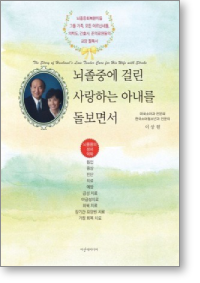
출판사 : 파랑새미디아. 전화번호 02-333-8311. Mail adam3838@naver.com
발행 : 2022년 9월 15일
쪽수 : 242
제품구성 : 전1권
ISBBN : 979-11-5721-174-6

publisher: Dorrance Publishing Co
585 Alpha DR, Pittsburg, PA 15238
To buy the book-www.dorrancebookstore.com or by phone at 1-800-788-7654
Published : 12 15 2022
Page : 401
English Version
ISBN : 978-1-63764-187-3
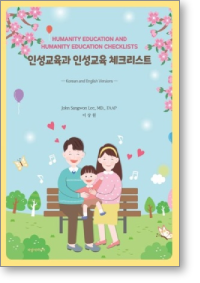
출판사 : 파랑새미디아. 전화번호 02-333-8311. Mail adam3838@naver.com
발행 : 2022년 8월 15일
쪽수 : 148
제품구성 : 전1권 (Korean and English Version)
ISBN : 9788964499603
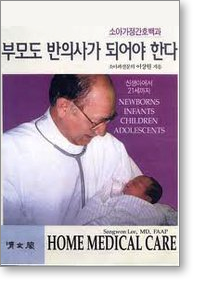

저자 : 이상원
출판사 : 좋은땅 82 02-374-8616, so20s@naver.com
발행 : 2014년 07월 21일
쪽수 : 628
제품구성 : 전1권
ISBN : 9788964499276

모유 모유수유 이유: 부모도 반의사가 되어야 한다 4
저자 : 이상원
출판사 : 좋은땅.82 2-374-8616,so20s@naver.com
발행 : 2014년 09월 12일
쪽수 : 312
제품구성 : 전1권
ISBN : 9788964499603

신생아 성장발육 양호 질병: 부모도 반의사가 되어야 한다 6
저자 : 이상원
출판사 : 좋은땅.+82 2-374-8616,so20s@naver.com
발행 : 2014년 10월 17일
쪽수 : 611
제품구성 : 전1권
ISBN : 9788964499795
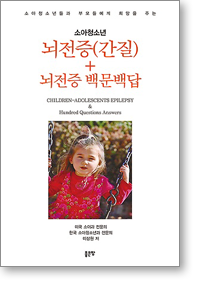
출판사 : 좋은땅. 82 2-374-8616,so20s@naver.com
발행 : 2015년 07월 10일
쪽수 : 242
제품구성 : 전1권
ISBN : 9791157667925

출판사 : 양서각. 전화번호 82 02-991-6234
발행 : 2016년 06월 15일
쪽수 : 647
제품구성 : 전1권
ISBN : 9788955684353

출판사 : ECONOMY JOURNAL, Tel. 010-4577-6196, e-mail bb-75@hanmail.net
발행 : 2017년 10월 01일
쪽수 : 244
제품구성 : 전1권
ISBN13 : 9791196200305

임신에서 신생아 돌보기까지임산부도 반의사가 되어야 한다
저자 : 이상원, 장중환
출판사 : 청문각
발행 : 1998년 04월 30일
쪽수 : 261
제품구성 : 전1권
ISBN13 : 9788970889689


저자 : 이상원 (미국 및 한국 소아과 전문의)
출판사 : 서문당
한국 역사상 최초 소아가정의학 백과 (현재 절판)
A Collection of Works by Dr. Sangwon Lee, a Pediatrician Certified in Both South Korea and the United States
“A Comprehensive Guide to Parenting, Health, Illness, Prevention, Love, and Character Education for Children and Adolescents”
A collection of books by pediatrician Dr. Sangwon Lee, covering parenting, health, illness, prevention, love, and character education for children and adolescents.
*Caring for My Beloved Wife After Her Stroke* – Author: Sangwon Lee (Pediatrician, Board-Certified in the U.S. and South Korea)
Publisher: Parangsae Media. Phone: 02-333-8311. Email: adam3838@naver.com
Publication Date: September 15, 2022
Pages: 242
Format: Single volume
ISBN: 979-11-5721-174-6
*Raise Your Sons and Daughters with Real Unconditional Love* – Author: John Sangwon Lee, MD, FAAP (Pediatrician, Board-Certified in the U.S. and South Korea; Fellow of the American Academy of Pediatrics)
Publisher: Dorrance Publishing Co.
585 Alpha Dr., Pittsburgh, PA 15238
To purchase: www.dorrancebookstore.com or call 1-800-788-7654
Publication Date: December 15, 2022
Pages: 401
English Edition
ISBN: 978-1-63764-187-3
*Character Education and a Character Education Checklist* – Author: Sangwon Lee (Pediatrician, Board-Certified in the U.S. and South Korea)
Publisher: Parangsae Media. Phone number 02-333-8311. Email: adam3838@naver.com
Publication Date: August 15, 2022
Pages: 148
Format: 1 volume (Korean and English version)
ISBN: 9788964499603
Parents Should Also Be Part-Time Doctors (Parents Need to Be Half-Doctors)
Author: Lee Sang-won
Publisher: Cheongmungak
Publication Date: April 1, 1998
Pages: 1076
Format: 1 volume
ISBN: 8970889698
Newborns, Infants, School-Age Children, and Adolescents: Growth, Development, and Child-Rearing – Parents Should Also Be Part-Time Doctors 3
Author: Lee Sang-won
Publisher: Joeunttang (Good Land), +82 2-374-8616, so20s@naver.com
Publication Date: July 21, 2014
Pages: 628
Format: 1 volume
ISBN: 9788964499276
Breast Milk, Breastfeeding, and Weaning – Parents Should Also Be Part-Time Doctors 4
Author: Lee Sang-won
Publisher: Joeunttang (Good Land), +82 2-374-8616, so20s@naver.com
Publication Date: September 12, 2014
Pages: 312
Format: 1 volume
ISBN: 9788964499603
Newborn Growth, Development, and Illness – Parents Should Also Be Part-Time Doctors 6
Author: Lee Sang-won
Publisher: Joeunttang (Good Land), +82 2-374-8616, so20s@naver.com
Publication Date: 2014 October 17
Page count: 611
Product composition: 1 volume
ISBN: 9788964499795
Epilepsy in Children and Adolescents + 100 Questions and Answers About Epilepsy | Author: Lee Sang-won
Publisher: Joeunttang (Good Land). 82 2-374-8616, so20s@naver.com
Publication date: July 10, 2015
Page count: 242
Product composition: 1 volume
ISBN: 9791157667925
Raise Your Sons and Daughters with Unconditional, True Love—And Here Is How to Approach Character Education | Author: Lee Sang-won
Publisher: Yangseogak. Phone: 82 02-991-6234
Publication date: June 15, 2016
Page count: 647
Product composition: 1 volume
ISBN: 9788955684353
The Path to Becoming a Top Pediatrician in the United States | Author: Lee Sang-won
Publisher: ECONOMY JOURNAL, Tel. 010-4577-6196, e-mail: bb-75@hanmail.net
Publication Date: October 1, 2017
Pages: 244
Format: 1 volume
ISBN13: 9791196200305
From Pregnancy to Newborn Care: Expectant Mothers Should Also Become “Half-Doctors”
Authors: Lee Sang-won, Jang Joong-hwan
Publisher: Cheongmungak
Publication Date: April 30, 1998
Pages: 261
Format: 1 volume
ISBN13: 9788970889689
How to Raise Your Teenage Sons and Daughters – by Ross Campbell
Translated by Lee Sang-won
Publisher: Seomundang
Publication Date: April 9, 1988
Format: 1 volume
Back to Book Lists
Author: Lee Sang-won (Pediatrician, certified in both the U.S. and South Korea)
Publisher: Seomundang
The first encyclopedia of pediatric and family medicine in Korean history (currently out of print)
목차
제1장 응급
아이가 의식을 잃었을 때(unconsciousness)
독극물 중국사고가 생겼을 때(poisoning)
피부에 독극물이 묻었을 때
눈에 독극물이 들어갔을 때(chemical burns in eyes)
찰과상(까진 상처: abrasion)
자상(찔fls 상처: puncture wound)
절상(베인 상처: laceration)
삔 것(염좌: sprain)
탈구(dislocation)
골절(fracture)
⓵ 쇄골 골절
⓶ 발가락과 발뼈의 골절
⓷ 손가락과 손뼈의 골절
⓸ 팔이나 다리 골절
⓹ 등뼈 골절
출혈(bleeding)
코피가 날 때(nose bleeding)
피를 토할 때(hematemesis)
⓵ 신생아가 피를 토할 때
⓶ 신생아기 이후 아기가 피를 토할 때
피똥을 눌 때(rectal bleeding)
소변에 피가 섞여 나올 때(acute hematuria)
머리를 부딪혔을 때(head injury)
배가 몹시 아플 때(severe abdominal pain)
급성 탈수(acute dehydration)
숨이 찰 때(breathing difficulty)
고열이 날 때(high fever)
● 아스피린과 타이레놀의 1회 용량
경기할 때(경풍, 열성 경련: febrile convulsion)
기도에 이물이 들어갔을 때(foreign bodies in the airways)
이물이 소화기에 들어갔을 때(foreign bodies in digestive systems)
질식사고(asphyxia)
목에 생선가시가 걸렸을 때(fish bone in the throat)
가스중독(일산화탄소중독: carbon monoxide poisoning)
데었을 때(burns)
⓵ 1도 화상/ ⓶ 2도 화상/ ⓷ 3도 화상
<나이에 따른 화상의 표면적 비율>
물집이 잡힌 화상의 경우
구법(rules of nines)
불이 났을 때(연기를 마셨을 때: smoke inhalation)
물에 빠졌을 때(drowning)
전기감전(electric burns)
개에 물렸을 때
고양이에 물렸을 때와 할퀴었을 때(cat bite or scratch)
쥐에 물렸을 때(rat bite)
독뱀에 물렸을 때(poisonous snake bite)
독이 없는 뱀에게 물렸을 때(nonpoisonous snake bite)
벌에 쏘였을 때(bee sting)
⓵ 벌에 쏘여 생기는 국소반응
⓶ 벌 알레르기가 있는 경우의 치료
인공호흡과 심장마사지(atrificial respiration and cardiac massage)
⓵ 인공호흡 순서
⓶ 심장마사지 순서
밤에 이가 아플 때(toothache)
유아 급사(sudden infant death sysdrome)
동상(frosbite)
피부에 물집이 잡힐 때(blister)
기절(fainting)
종기가 생겼을 때(boil, abscess)
자살(suicide)
제2장 예방
일반적인 예방
⓵ 좋은 음식물
⓶ 충분한 수면
⓷적당한 운동
⓸ 깨끗한 몸, 청결한 위생
⓹ 정신정 안정
⓺ 질병의 조기 진단
⓻ 전염병 예방
⓼ 안전사고 예방
⓽ 알레르기성 질환 예방
⓾ 비만증과 고혈압 예방
⑪ 치아 건강 관리
⑫ 정기 건강진찰
<정기 건강진찰>
전염병과 예방접종
디프테리아, 백일해, 파상풍 예방접종
(디피티 예방접종)
⓵ 예방접종의 시기
⓶ 예방접종 방법
⓷ 디피티로 생기는 보통 부작용
⓸ 디피티의 부작용이 심한 경우
몸에 상처를 입었을 때 하는 파상풍
예방접종(tetanus immunization)
소아마비 예방접종(oral poliovirus vaccine)
⓵ 예방접종 연령
⓶ 예방접종 방법
⓷ 생소아마비 예방약을 줄 수 없는 경우
⓸ 예방접종의 부작용
풍진 예방접종(rubella, german measles, 3-day measles immunization)
⓵ 예방접종의 연령
⓶ 예방접종 방법
⓷ 예방접종의 부작용
⓸ 예방접종의 금기
홍역 예방접종(mumps immunization)
⓵ 예방접종 시기
⓶ 예방접종 방법
⓷ 예방접종의 부작용
⓸ 예방접종의 금기
B형 헤모필러스 인플루엔자 세균에 의한 질병 예방접종(HBPV, b-CAPSA Ⅰ VACCINE, Hib Vaccine)
<출생 이후 보통 아이들에게 추천하는 예방접종 표>
⓵ 예방접종 시기
⓶ 예방접종 방법
⓷ 예방접종의 부작용
⓸ 예방접종의 금기
돌전에 예방접종을 한번도 맞지 못한 아이들의 경우 예방접종을 시키는 방법과 시기
특수 예방접종
감마 글로블린과 면역 글로블린(γ-globulin and immuoglobulin)
항생제나 설파제 등으로 예방하는 질병
예방접종 기록카드(immunization record)
우발사고(안전사고) 예방
⓵ 추락사고 예방
⓶ 약물중독 사고 예방
⓷ 핸드백 속의 약품중독사고 예방
⓸ 화학약품과 독극물질 중독사고 예방
(ㄱ) 화학약품 중독사고 예방/(ㄴ) 가솔린과 등유/(ㄷ) 살충제와 제초제(농약) 중독사고 예방
⓹ 납중독 예방
⓹ 익사사고 예방
⓻ 화재와 화상사고 예방(fire and burn)
⓼ 가스중독사고 예방
⓽ 멀미예방
⓾ 교통사고 예방
유방암을 조기 진단하는 방법
제 3장 성장 발육
월경주기
임신 첫 3개월 동안의 태아의 성장
임신 둘째 3개월 동안의 태아의 성장
임신 세째 3개월 동안의 태아의 성장
진통과 분만
아이들을 어떻게 키울 것인가
아기를 어떻게 돌볼 것인가
기저귀/잠/목욕/울음
신생아의 피부
신생아의 대변
성장 발육
⓵ 출생 전기 (出生前期)
(ㄱ) 세포기 (細胞期)/ (ㄴ) 태아기(胎芽期)/(ㄷ) 태아기 (胎兒期)
⓶ 미숙아기 (未熟兒期)
⓷ 신생아기 (新生兒期)
⓸ 유아기 (乳兒期, 嬰兒期)
⓹ 유아기 (幼兒期)
⓺ 학동기 (學童期)
⓻ 사춘기(思春期)
신생아 (출생시 ~ 28일 아이)
(가) 성장
성장/백분위수(百分位數: 퍼센타일)란/ 신생아의 체중 감소
(나) 발육
신체의 발육/손의 발육/언어의 발육/사회성 발육
(다) 영양
(라) 양호
⓵ 호흡
● 아프가로 점수(Apar Score)
⓶ 체온
● 신생아의 체온 재는 법
⓷ 맥박
⓸ 소변
⓹ 대변
⓺ 피부
● 신생아의 생리적 황달
● 신생아의 땀띠
⓻ 머리
⓼ 눈
⓽ 코
⓾ 귀
⑪ 입
⑫ 목
⑬ 가슴
⑭ 배
⑮ 배꼽과 탯줄
⑯ 외음부
⑰ 팔과 다리
⑱ 신경 반사
⑲ 항문
⑳ 잠
㉑ 면역
㉒ 예방 (ㄱ) 예방주사/ (ㄴ) 안전사고 예방/ (ㄷ)정기 건강진찰
목욕(Bathing)
● 목욕에 필요한 기구들
(가) 스폰지 또는 약속으로 목욕시키는 법
(나) 아기를 목욕통 속에서 목욕시키는 법
기저귀
⓵ 천으로 만든 기저귀
⓶ 일회용 기저귀
⓷ 기저귀 채우는 법
⓸ 기저귀를 세탁하는 법
⓹ 기저귀 커버
만 28일 ~ 만 2개월 아이
(가) 성장
(나) 발육
신체의 발육/손의 발육/언어의 발육/ 사회성 발육
(다) 영양
모유 / 인공영양/물
(라) 양호
목욕/잠/질병 / 영아의 산통/변비/ 딸국질
(마) 예방 .
● 기저귀 피부염 / 아기가 우는 이유/ 아기가 누워 있는 채로 젖병을 세워 먹이는 것이 좋지 않은 이유
만 2개월 ~ 만 4개월 아이
(가) 성장
(나) 발육
신체/ 손/ 언어 / 사회성
(다) 영양
모유/인공영양/이유식/ 물
(라) 양호
만 4개월 ~ 만 6개월 아이
(가) 성장
(나) 발육
신체 / 언어 / 사회성
(다) 영양
모유/ 인공영양/물/이유식
만 6개월 – 만 8개월 아이
(가) 성장
(나) 발육
신체/손/언어 / 사회성
(다) 영양
모유 / 인공영양/이유식/물/ 비타민과 철분제
(라) 양호
만 8개월 ~ 만 9개월 아이
(가) 성장
(나) 발육
신체/손/언어 / 사회성
(다) 영양
모유/인공영양/이유식/물/비타민과 철분제
(라) 양호
만 9개월 ~ 만 12개월 아이
(가) 성장
(나) 발육
신체/손/언어 / 사회성
(다) 영양
모유/인공영양/이유식/물/비타민과 철분제
(라) 양호
만 12개월 ~ 만 15개월 아이
(가) 성장
(나) 발육
신체/손/언어 / 사회성
(다) 영양
모유/인공영양/이유식/물/비타민과 철분제
(라) 양호
만 15개월 ~ 만 18개월 아이
(가) 성장
(나) 발육
신체/손/언어 / 사회성
(다) 영양
(라) 양호
만 18개월 ~ 만 2세 아이
(가) 성장
(나) 발육
신체/손/언어 / 사회성
(다) 영양
(라) 양호
만 2세 ~ 만 3세 아이
(가) 성장
(나) 발육
신체/손/언어 / 사회성
(다) 영양
(라) 양호
만 3세 ~ 만 4세 아이
(가) 성장
(나) 발육
신체/손/언어 / 사회성
(다) 영양
(라) 양호
만 4세 ~ 만 5세 아이
(가) 성장
(나) 발육
신체/손/언어 / 사회성
(다) 영양
(라) 양호
만 5세 ~ 만 6세 아이
(가) 성장과 발육
신체/손/언어 / 사회성 발육
(나) 영양
(다) 양호
만 6세 ~ 만 7세 아이
(가) 성장
(나) 발육
신체/손/언어 / 사회성
만 7세 ~ 만 8세 아이
(가) 성장과 발육
만 8세 ~ 만 9세 아이
(가) 성장과 발육
만 9세 ~ 만 10세 아이
(가) 성장과 발육
만 10세~만 11세 아이 .
(가) 성장과 발육
만 11세 ~ 만 12세 아이
(가) 성장과 발육
만 12세~만 20세 청소년
프로이드의 정신적 성적 발육에 대한 학설
⓵ 구순기(口脣期)
⓶ 항문기(肛門期)
⓷ 성기기(性器期)
⓸ 잠재기(潛在期)
⓹ 사춘기(思春期)
<2개월 ~ 4세까지 아이의 정상 발육표>
Table of Contents
Chapter 1: Emergencies
Loss of consciousness
Poisoning
Exposure of skin to toxic substances
Chemical burns to the eyes
Abrasions (scrapes)
Puncture wounds
Lacerations (cuts)
Sprains
Dislocations
Fractures (broken bones)
① Clavicle (collarbone) fracture
② Fractures of the toes and foot bones
③ Fractures of the fingers and hand bones
④ Fractures of the arms or legs
⑤ Spinal (backbone) fracture
Bleeding
Nosebleeds
Vomiting blood (hematemesis)
① Vomiting blood in newborns
② Vomiting blood in infants/children (beyond the newborn period)
Rectal bleeding (blood in stool)
Blood in the urine (acute hematuria)
Head injuries
Severe abdominal pain
Acute dehydration
Difficulty breathing
High fever
● Single-dose guidelines for aspirin and Tylenol (acetaminophen)
Seizures (febrile convulsions)
Foreign bodies in the airways
Foreign bodies in the digestive system
Asphyxia (suffocation)
Fish bone stuck in the throat
Gas poisoning (carbon monoxide poisoning)
Burns
① First-degree burns Burns / ⓶ Second-degree burns / ⓷ Third-degree burns
<Percentage of body surface area affected by burns, by age>
Burns involving blisters
Rule of Nines
In the event of a fire (smoke inhalation)
Drowning
Electric burns
Dog bites
Cat bites or scratches
Rat bites
Poisonous snake bites
Non-poisonous snake bites
Bee stings
⓵ Local reactions to bee stings
⓶ Treatment for those with bee allergies
Artificial respiration and cardiac massage (CPR)
⓵ Procedure for artificial respiration
⓶ Procedure for cardiac massage
Toothache at night
Sudden Infant Death Syndrome (SIDS)
Frostbite
Blisters on the skin
Fainting
Boils (abscesses)
Suicide
Chapter 2: Prevention
General prevention
⓵ Proper nutrition
⓶ Sufficient sleep
⓷ Moderate exercise
⓸ Personal cleanliness and hygiene
⓹ Mental stability
⓺ Early diagnosis of diseases
⓻ Prevention of infectious diseases
⓼ Prevention of accidents
⓽ Prevention of allergic diseases
⓾ Prevention of obesity and hypertension
⑪ Dental health care
⑫ Regular health check-ups
<Regular health check-ups>
Infectious diseases and… Vaccination
Vaccination against Diphtheria, Pertussis (Whooping Cough), and Tetanus
(DPT Vaccination)
⓵ Timing of vaccination
⓶ Method of vaccination
⓷ Common side effects of the DPT vaccine
⓸ Severe side effects of the DPT vaccine
Tetanus vaccination following a physical injury
Polio vaccination (Oral Poliovirus Vaccine)
⓵ Age for vaccination
⓶ Method of vaccination
⓷ Contraindications for the oral polio vaccine
⓸ Side effects of the vaccine
Rubella (German measles/3-day measles) vaccination
⓵ Age for vaccination
⓶ Method of vaccination
⓷ Side effects of the vaccine
⓸ Contraindications for the vaccine
Mumps vaccination
⓵ Timing of vaccination
⓶ Method of vaccination
⓷ Side effects of the vaccine
⓸ Contraindications for the vaccine
Vaccination against diseases caused by *Haemophilus influenzae* type b (Hib vaccine)
<Recommended vaccination schedule for children after birth>
⓵ Timing of vaccination
⓶ Method of vaccination
⓷ Side effects of the vaccine
⓸ Contraindications for the vaccine
Procedures and timing for children who have not received any vaccinations before their first birthday
Specialized vaccinations
Gamma globulin and immunoglobulins
Prevention of diseases using antibiotics or sulfa drugs
Immunization record card Prevention of Accidental Injuries (Safety Incidents)
⓵ Prevention of falls
⓶ Prevention of drug/medication poisoning
⓷ Prevention of poisoning from medications kept in handbags
⓸ Prevention of poisoning from chemicals and toxic substances
(a) Prevention of chemical poisoning / (b) Gasoline and kerosene / (c) Prevention of poisoning from insecticides and herbicides (pesticides)
⓹ Prevention of lead poisoning
⓹ Prevention of drowning
⓻ Prevention of fires and burns
⓼ Prevention of gas poisoning
⓽ Prevention of motion sickness
⓾ Prevention of traffic accidents
Methods for early diagnosis of breast cancer
Chapter 3: Growth and Development
Menstrual cycle
Fetal development during the first trimester of pregnancy
Fetal development during the second trimester of pregnancy
Fetal development during the third trimester of pregnancy
Labor and delivery
How to raise children
How to care for a baby
Diapers / Sleep / Bathing / Crying
Newborn skin
Newborn stool
Growth and Development
⓵ Prenatal period
(a) Cellular stage / (b) Embryonic stage / (c) Fetal stage
⓶ Premature infant period
⓷ Neonatal period
⓸ Infancy (early infancy)
⓹ Early childhood
⓺ School age
⓻ Puberty
Newborn (from birth to 28 days old)
(A) Growth
Growth/Percentiles/Weight loss in newborns
(B) Development
Physical development/Manual dexterity/Language development/Social development
(C) Nutrition
(D) Well-being
① Respiration
● Apgar score
② Body temperature
● How to measure a newborn’s body temperature
③ Pulse
④ Urine
⑤ Stool
⑥ Skin
● Physiological jaundice in newborns
● Prickly heat (heat rash) in newborns
⑦ Head
⑧ Eyes
⑨ Nose
⑩ Ears
⑪ Mouth
⑫ Neck
⑬ Chest
⑭ Abdomen
⑮ Navel and umbilical cord
⑯ External genitalia
⑰ Arms and legs
⑱ Neurological reflexes
⑲ Anus
⑳ Sleep
㉑ Immunity
㉒ Prevention (a) Vaccinations / (b) Accident prevention / (c) Regular health check-ups
Bathing
● Equipment needed for bathing
(a) How to bathe a baby using a sponge or washcloth
(b) How to bathe a baby in a tub
Diapers
① Cloth diapers
② Disposable diapers
③ How to put on a diaper
④ How to wash cloth diapers
⑤ Diaper covers
Infants aged 28 days to 2 months
(A) Growth
(B) Development
Physical development/Manual dexterity/Language development/Social development
(C) Nutrition
Breast milk / Formula feeding / Water
(D) Well-being
Bathing/Sleep/Illnesses / Infant colic/Constipation/Hiccups
(E) Prevention. ● Diaper dermatitis / Reasons why a baby cries / Why it is not advisable to feed a baby from a bottle while they are lying down
Infants aged 2 to 4 months
(A) Growth
(B) Development
Physical / Manual (hands) / Language / Social
(C) Nutrition
Breast milk / Formula / Solid foods / Water
(D) Care/Well-being
Infants aged 4 to 6 months
(A) Growth
(B) Development
Physical / Language / Social
(C) Nutrition
Breast milk / Formula / Water / Solid foods
Infants aged 6 to 8 months
(A) Growth
(B) Development
Physical / Manual (hands) / Language / Social
(C) Nutrition
Breast milk / Formula / Solid foods / Water / Vitamins and iron supplements
(D) Care/Well-being
Infants aged 8 to 9 months
(A) Growth
(B) Development
Physical / Manual (hands) / Language / Social
(C) Nutrition
Breast milk / Formula / Solid foods / Water / Vitamins and iron supplements
(D) Care/Well-being
Infants aged 9 to 12 months
(A) Growth
(B) Development
Physical / Manual (hands) / Language / Social
(C) Nutrition
Breast milk / Formula / Solid foods / Water / Vitamins and iron supplements
(D) Care/Well-being
Infants aged 12 to 15 months
(A) Growth
(B) Development
Physical / Manual (hands) / Language / Social
(C) Nutrition
Breast milk / Formula / Solid foods / Water / Vitamins and iron supplements
(D) Care/Well-being
Infants aged 15 to 18 months
(A) Growth
(B) Development
Physical/Manual/Language/Social
(c) Nutrition
(d) Health/Care
Children aged 18 months to 2 years
(a) Growth
(b) Development
Physical/Manual/Language/Social
(c) Nutrition
(d) Health/Care
Children aged 2 to 3 years
(a) Growth
(b) Development
Physical/Manual/Language/Social
(c) Nutrition
(d) Health/Care
Children aged 3 to 4 years
(a) Growth
(b) Development
Physical/Manual/Language/Social
(c) Nutrition
(d) Health/Care
Children aged 4 to 5 years
(a) Growth
(b) Development
Physical/Manual/Language/Social
(c) Nutrition
(d) Health/Care
Children aged 5 to 6 years
(a) Growth and Development
Physical/Manual/Language/Social Development
(b) Nutrition
(c) Health/Care
Children aged 6 to 7 years
(a) Growth
(b) Development
Physical/Manual/Language/Social
Children aged 7 to 8 years
(a) Growth and Development
Children aged 8 to 9 years
(a) Growth and Development
Children aged 9 to 10 years
(a) Growth and Development
Children aged 10 to 11 years (A) Growth and Development
Children aged 11 to 12 years
(A) Growth and Development
Adolescents aged 12 to 20 years
Freud’s theory of psychosexual development
① Oral stage
② Anal stage
③ Phallic stage
④ Latency stage
⑤ Puberty (Genital stage)
<Chart of normal development for children aged 2 months to 4 years>
제4장 모유
모유는 왜 주어야 하나
모유의 좋은 점
모유를 줄 때의 문제점
임신 중 젖을 주기 위한 준비
분만 후 젖을 주는 요령
아기가 젖을 먹고 싶어 할 때
수유의 횟수와 간격
모유가 충분한지를 아는 법
충분한 모유를 아기에게 먹이려면
수유하는 엄마의 영양
유방 마사지
젖을 짜는 방법과 짠 젖을 먹이는 방법
⓵ 손으로 전을 짜야 할 경우
⓶ 손으로 젖을 짜는 방법
⓷ 짠 젖을 보관하는 방법
⓸ 젖 짜는 기구나 전기펌프로 젖을 짜는 방법
젖을 줄 때의 엄마의 자세
트림을 시킬 때(burping)
한번 수유할 때 한쪽 젖을 줄 것인가, 또는 양쪽 젖을 줄 것인가
한번에 얼마동안 젖을 먹여야 하나
젖꼭지가 아프거나 갈라질 때
젖유종(breast abscess)
사람이 많은 곳에서 젖을 줄 때
젖먹이는 엄마가 아플 때
젖꼭지를 물 때
젖먹는 아기가 아플 때
모유와 신생아의 황달
모유와 알레르기
젖을 뗄 때 (이유기)
⓵ 젖을 뗄 때의 연령
⓶ 유아식을 주는 시기와 이유
⓷ 젖 때는 방법
⓸ 유아식의 양
⓹ 유아식의 종류와 이유
⓺ 유아식은 집에서 만들어 먹인다
모유와 물
모유와 비타민
모유의 부족과 대책
⓵ 모유가 부족한지 충분한지를 아는 법 151 모유의 좋은 점
<평균 칼로리 · 단백질 · 불 필요량 (1일) >
⓶ 모유가 부족한지를 의심해 보아야 할 경우
⓷ 모유가 모자란다고 생각되면 어떻게 하여야 하나?
⓸ 엄마가 온갖 노력을 다하여도 모유가 아기가 젖을 먹고 싶어할 때
제5장 인공 영양과 비타민
인공영양
인공영양의 종류
특수 인공영양의 종류
⓵ 콩의 단백질을 주성분으로 한 인공 영양
⓶ 뉴트라미젠 인공영양
<모유와 인공영 등의 성분 비교표>
우유의 종류
⓵ 생우유
⓶ 살균시킨 우유
⓷ 전지분유
⓸ 탈지분유
⓹ 양유
⓺ 조제분유, 포물러 (인공영양)
인공영양을 먹이기 위한 기구
우유병
고무젖꼭지
인공영양을 먹이기 위해 준비하는 방법
(가) 기구를 씻는 방법
(나) 인공영양을 끓이는 방법
(다) 무균 방법
(라) 아이에게 인공영양을 먹일 때 한 개의 우유병에만 인공영향을 따라 먹이는 방법
(마) 인공영양이 든 캔을 따서 바로 먹일 수 있는 경우
한번에 먹이는 양
인공영양을 먹이는 횟수
신생아에게 인공영양을 먹이는 방법
<한번에 먹이는 인공영양의 평균량>
인공영양을 먹이는 횟수
<아기가 하루에 먹는 인공영양의 평균 횟수>
인공영양을 먹이는 데 소요되는 시간
인공영양을 먹이는 자세
인공영양은 어느 때까지 주어야 하나
트림시키기
인공영양과 물
필요한 칼로리
인공영양의 온도
인공영양과 비타민
인공영양을 먹을 수 없는 아기
이유식 (고형 음식, 유아식)
⓵ 이유식(고형음식)
⓶ 유아식을 줄 수 있는 나이
⓷ 유아식을 주는 방법
⓸ 유아식에 관해 주의할 점
⓹ 집에서 만든 유아식
비타민
⓵ 비타민에 관한 일반적인 상식
⓶ 중요한 비타민, 단백질, 광물질의 1일 필요한 표
비타민A 결핍증
급성비타민A 과잉증
만성비타민A 과잉증
비타민B
비타민B1 결핍증
비타민B2 결핍증
나이아신 결핍증
비타민B6 결핍증
비타민C의 결핍증
비타민D 결핍증(구루병)
비타민D 과잉증
비타민E
비타민K ..
<비타민이 많이 들어 있는 음식물 표>
제6장 신생아 질환
신생아(Newborn)
산류(Caput Succedaneum)
두혈종(Cephalohematoma)
눈의 결막하출혈(Subconjunctival Hemorrhages)
불균형 머리(Asymmetric Head)
몰 딩(Molding)
무피부종(無皮膚: Aplasia of Scalp)
머리와 얼굴에 생기는 출혈반점(Petechiae in the face)
신생아 결막염(Neonatal Conjunctivitis)
⓵ 임질성 결막염
⓶ 트라고마 결막염
⓷ 화학약품에 의한 결막염
코뼈의 골절(Nose Fracture)
조발생치(早發生齒 : Neonatal Teeth)
아구창(Oral Moniliasis)
신생아의 장폐색증(Intestinal Obstruction)
선천성 작은창자폐색증(Small Intestinal Obstruction)
선천성 항문폐색증(Imperforate Anus)
선천성 식도폐색증 및 기관 · 식도간공 급성 비타민A 과잉증(Esophageal Atresia & Tracheoesophageal Fistula)
다음과 같은 증상이 신생아에게 있으면 의사에게 즉시 문의한다
⓵ 구토
⓶ 배가 정상 이상으로 부를 때
⓷ 시아노시스(Cyanosis)
⓸ 경련 할 때
⓹ 정상 이상으로 너무 많은 장을 잘 때
⓺ 많이 보챌 때
⓻ 모유나 인공영양을 잘 먹지 않을 때
⓼ 열이 날 때
⓽ 몸이 찰 때
⓾ 황달
⑪ 설사
⑫ 팔다리를 못 움직일 때
⑬ 출혈
신생아의 젖이 커졌을 때(Breast Enlargement In Newborn)
신생아의 젖의 염증
배꼽의 염증(Omphalitis)
배꼽출혈(Umbilical Bleeding)
배꼽육아종(제육아종: Umbilical Granuloma)
배꼽레르니아(umbilical bleeding)
신생아의 혈변(blood in stool)
신생여아의 성기 출혈(新生女兒의 性器出血; vaginal Bleeding)
선천성 근성 사경(torticollis)
신생아 탈수열(Dehydration Fever)
신생아 이후 어린아이들에게 생기는 탈수열
신생아의 황달(Neonatal Jaundice)
⓵ 생리적 황달
⓶ RH혈액형의 부적합으로 생기는 황달
⓷ A,B,O 혈액형의 부적합으로 생기는 황달
⓸ 모유를 먹는 신생아에게 생기는 황달
⓹ 간염에 의하여 생기는 황달
⓺ 선천성 담도폐색증으로 인한 황달(biliary atresia)
⓻ 기타 원인으로 생기는 황달
신생아의 감염(hepatitis)
B형 간염바이러스에 의한 신생아의 간염
신생아의 감기(common cold)
신생아의 중이염(otitis media)
신생아의 패혈증과 뇌막염(septicemia & meningitis)
신생아의 폐렴(Pneumonia)
⓵ 흡입성 폐렴
⓶ 대변흡입성 폐렴
선천성 유문협착증(先天性
신생아의 설사(Diarrhea)
⓵ 전염성으로 생기는 설사
⓶ 우유가 든 인공영양으로 생기는 설사
⓷ 선천성 유당분해효소 부족으로 생기는 설사
신생아의 파상풍(Neonatal Tetanus)
두개골내출혈 (Intracranial Bleeding)
신생아 두개골 골절 (Skull Fracture)
척주(등뼈 골절 (Fractures of the Spine)
쇄골 골절 (Fractures of Clavicle)
팔 다리 뼈의 골절(Fractures of Legss and Arms)
고관절 탈구 (Congenital Dislocation of hip)
⓵ 후천성 고관절 탈구
⓶.선천성 고관절 탈구
안면신경 마비 (Facial Nerve Paralysis)
말초신경마비 (상완신경총 마비: peripheral nerve paralysis)
신생아 농가진(부스림: Neonatal Impetigo)
신생아 중독성 홍반(Erythema Toxicumm)
선천성 유문협착증(先天性 幽門狹窄症: pyloric stenosis)
신생아의 질식 (Neonatal Asphyxia)
신생아의 저혈당증(Neonatal Hypoglycemia)
신생아 테타니 (Neonatal Tetany)
신생아의 빈혈 (Neonatal Anemia)
⓵ 갓 낳았을 때 신생아의 빈혈
⓶ 출생 2~3일경에 생기는 빈혈
⓷ 신생아기의 말기에 생기는 빈혈
뇌성 소아마비 (Cerebral Palsy)
미숙아(조숙아; Premature Infant)
미숙아와 저체중 신생아를 낳은 원인
미숙아의 치료
⓵ 체온 조절
⓶ 영양(모유와 인공영양)
⓷ 보육기
⓸ 습도
⓹ 산소호흡
⓺ 전염병 예방
⓻ 미숙아의 예방접종과 전염병
⓼ 미숙아의 목욕
미숙아에게 생길 수 있는 병
⓵ 두개골 내출혈(뇌출혈)
⓶ 결막염
⓷ 황달
⓸ 특발성 호흡곤란 증후군 (유리질막중)
⓹ 무기폐(atelectasis)
⓺ 기흉(pneumothorax)
⓻ 일시적으로 생기는 신생아 호흡곤란 (Transient Tachypnea of Newborn)
⓼ 흡입성 폐렴(Aspiration Pneumonia)
⓽저혈당증(hypoglycemia)
⓾ 테다니(tetany)
⑪ 빈혈 (Anemia)
미숙아의 양육방법
미숙아의 성장
딸꾹질(Hiccup)
3개월 콜리크(영아의 산통; infantile colic)
부모들이 신생아에 대하여 많이 하는 질문들
⓵ 탯줄은 언제쯤 떨어지나요?
⓶ 왜 피부가 쪼글쪼글하고 얇게 벗겨지나요?
⓷ 포경 수술을 받은 남자 신생아의 환부를 어떻게 간호해 주나요?
⓸ 모유를 먹이는 신생아에게 요구(Demanding) 수유를 하나요? 또는 시간제 (Schedule) 수유를 하나요?
⓹ 인공영양을 먹일 때 찬 것이 좋은가요? 더운 것이 좋은가요?
⓺ 기저귀 피부염이 갓 낳은 아기에게 생기면 어떻게 치료하면 좋은가요?
⓻ 눈이 사팔뜨기(사시) 같이 보이는 것은 왜 그런가요?
⓼ 신생아가 열이 나면 어떻게 해야 하나요?
제7장 전염병과 기생충 질환
용어해설
⓵ 병원체
⓶ 마이코플라스마 병원체
⓷ 곰팡이균
⓸ 전염성 질병의 진단
⓹ 결핵균 검사
⓺ 세균검사
⓻ 바이러스병의 진단
⓼ 바이러스병을 치료하는데 쓰는 약들
⓽ 매독검사
⓾ 항생제
⑪ 보균자
⑫ 잠복기
⑬ 대중요법
여러 가지 전염병에 의해서 생기는 피부 발진
홍역
풍진
장미진
수두
성홍열
제5병(피프스병, 전염성 홍반)
A군 용혈성 연쇄상구균에 의한 전염병(Staphylococcal Infection)
성홍열(scarlet infections)
포도상구균에 의한 전염병(Staphylococcal Food Poisoning)
식중독(Food Poisoning)
포도상구균에 의하여 생기는 식중독(Staphylococcal Food Poisoning)
식중독을 일으키는 병원체(미생물)의 종류, 전염 경로와 잠복기
보들리즘균에 의한 식중독
뇌막구균성(뇌수막구균성) 뇌막염과 패혈증(meningococcal meaningitis and septicemia)
Bgud 헤모필러스 인플루엔자균(ㅗemophilus influenzae type B)에 의한 전염병
백일해(pertussis)
디프테리아(diphtheria)
파상풍(tetanus)
장티푸스(장질부사; typhoid fever)
파라티푸스(paratyphoid tever)
폐렴쌍구균에 의한 전염병(diseases caused by steptococcal pneumoniae)
이질(시가병; shigellosis)
임질균에 의하여 생기는 전염병(gonorrhea; gonococcal infection)
매독(syphilis)
결핵(tuberculosis)
투베르쿨린 반응검사
양성 투베르쿨린 반응
음성 투베르쿨린 반응
투베르쿨린 반응검사는 얼마나 자주 하는가
비시지 (B. C. G)란 무엇인가
B. C. G. 를 맞아야 할 경우
B. C. G. 를 맞아서는 안 되는 경우
B. C. G. 를 맞으면 결핵에 안 걸리나
B. C. G. 의 부작용
결핵을 앓는 임산부가 낳은 아기를 어떻게 하여야 하나
결핵에 쓰이는 약
패혈증(septicemia)
홍 역 (Measles)
풍진(rubella, three-day measles)
수두와 대상포진(chickenpox & herpes zoster)
돌발성 발진(장미진)(exanthem subitum, roseola)
천연두(마마)(smallpox)
소아마비(폴리오, poliomyelitis)
인플루엔자(유행성 독감; influenza)
가성콜레라(로타바이러스성 위장염; rotaviral gastroenteritis)
볼거리, 유행성 이하선염(mumps)
간염(hepatitis)
(가) 전염성 간염(A형 간염 : Infectious hepatitis)
(나) 혈청성 간염(B형 간염; serum hepatitis)
⓵ 예방접종
⓶ B형 간염 예방접종 이외에 다음과 같은 것들을 고려하야 예방하여야 한다
⓷ B형 간염을 한 번도 앓지 않은 아이들과 성인들에게 B형 간염을 예방, 접종하는 방법
⓸ B형 간염바이러스를 보균한 사람이나 B형 간염을 앓고 있는 사람과 접촉했을 때 B형 간염을 예방하는 방법
광견병 (공수병 : Rabies)
● 동물에 물렸을 경우
요충증( E; Pinworm)
회충증(거시배 ; Ascariasis)
촌충증 (조충증, Taeniasis)
채독증 (구충증, 십이지장충증 : Hookworm Infection)
폐(肺) 디스토마증(폐흡충증 · 폐토질, 토질, 혈담증; Paragonimiasis)
간디스토마증( 肝土疾: Liver Fluke infection)
개와 고양이 구충증과 다른 병
⓵ 유충 피부내 이행증(Creeping Eruption)
⓶ 유충 체내 이행증(Visceral Larva Migrans)
⓷ 톡소플라스모시스병 (Toxoplasmosis)
⓸ 고양이가 할퀴어 생기는 병 (Cat Scratch Disease)
⓹ 광견병
⓺ 개와 고양이에 의한 알레르기
에이즈(AIDS) (후천성 면역체 결핍증후군; Human Immunodeficiency Syndrome)..
가와사키병 (Kawasaki Disease)
단순포진 감염 (Herpes Simplex Infections).
수족구병 ( Hand-Foot-and-Mouth Disease)
Chapter 4: Breastfeeding
Why should you breastfeed?
Benefits of breast milk
Challenges in breastfeeding
Preparing for breastfeeding during pregnancy
Tips for breastfeeding after delivery
Recognizing when your baby wants to nurse
Frequency and intervals of feedings
How to tell if your baby is getting enough breast milk
Ensuring your baby receives an adequate supply of breast milk
Nutrition for breastfeeding mothers
Breast massage
How to express and feed expressed breast milk
① When to express milk by hand
② How to express milk by hand
③ How to store expressed breast milk
④ Using a manual or electric breast pump
Maternal positioning during breastfeeding
Burping your baby
Should you offer one breast or both during a single feeding?
How long should a feeding last?
Dealing with sore or cracked nipples
Breast abscess
Breastfeeding in public
What to do when a breastfeeding mother is ill
When a baby bites the nipple
What to do when a nursing baby is ill
Breast milk and neonatal jaundice
Breast milk and allergies
Weaning
① The age for weaning
② When and why to introduce solid foods
③ How to wean
④ Amount of solid food
⑤ Types of solid foods and the rationale behind them
⑥ Preparing homemade solid foods
Breast milk and water
Breast milk and vitamins
Insufficient breast milk supply and how to address it
① How to determine if your breast milk supply is sufficient
<Average daily requirements for calories, protein, and other nutrients>
② Situations where you might suspect an insufficient breast milk supply
⓷ What should you do if you think your breast milk supply is insufficient? ⓸ When, despite a mother’s best efforts, breast milk is unavailable and the baby wishes to feed
Chapter 5: Artificial Feeding and Vitamins
Artificial Feeding
Types of Artificial Feeding
Types of Specialized Artificial Formulas
⓵ Soy-protein-based formula
⓶ Nutramigen formula
<Comparison Table: Components of Breast Milk vs. Artificial Formula>
Types of Milk
⓵ Raw cow’s milk
⓶ Pasteurized milk
⓷ Whole milk powder
⓸ Skimmed milk powder
⓹ Goat’s milk
⓺ Prepared infant formula
Equipment for Artificial Feeding
Baby bottles
Rubber nipples (teats)
Preparation Methods for Artificial Feeding
(a) Cleaning the equipment
(b) Preparing (mixing/heating) the formula
(c) Aseptic (sterile) preparation methods
(d) Feeding from a single bottle
(e) Using ready-to-feed (pre-mixed) formula from a can
Amount per feeding
Frequency of feedings
How to feed a newborn with formula
<Average amount of formula per feeding>
Frequency of feedings
<Average number of daily feedings for a baby>
Time required for a feeding
Feeding positions
How long should formula be provided?
Burping the baby
Formula and water
Caloric requirements
Temperature of the formula
Formula and vitamins
Babies who cannot consume formula
Solid foods (weaning foods) Toddler/Infant Diet
⓵ Solid Foods (Weaning Foods)
⓶ Age for Introducing Solid Foods
⓷ How to Introduce Solid Foods
⓸ Precautions Regarding Solid Foods
⓹ Homemade Solid Foods
Vitamins
⓵ General Information About Vitamins
⓶ Table of Daily Requirements for Essential Vitamins, Proteins, and Minerals
Vitamin A Deficiency
Acute Vitamin A Toxicity (Hypervitaminosis A)
Chronic Vitamin A Toxicity (Hypervitaminosis A)
Vitamin B
Vitamin B1 Deficiency
Vitamin B2 Deficiency
Niacin Deficiency
Vitamin B6 Deficiency
Vitamin C Deficiency
Vitamin D Deficiency (Rickets)
Vitamin D Toxicity (Hypervitaminosis D)
Vitamin E
Vitamin K
<Table of Foods Rich in Vitamins>
Chapter 6: Neonatal Conditions
Newborn
Caput Succedaneum
Cephalohematoma
Subconjunctival Hemorrhages
Asymmetric Head
Molding
Aplasia of the Scalp
Petechiae on the Head and Face
Neonatal Conjunctivitis
⓵ Gonococcal Conjunctivitis
⓶ Trachoma (Chlamydial Conjunctivitis)
⓷ Chemical Conjunctivitis
Nasal Fracture
Neonatal Teeth (Natal/Neonatal Teeth)
Oral Moniliasis (Thrush)
Intestinal Obstruction in Newborns
Congenital Small Intestinal Obstruction
Congenital… Imperforate Anus
Esophageal Atresia and Tracheoesophageal Fistula
Consult a doctor immediately if a newborn exhibits any of the following symptoms:
① Vomiting
② Abdominal distension (abdomen larger than normal)
③ Cyanosis
④ Seizures or convulsions
⑤ Excessive sleepiness (lethargy)
⑥ Excessive fussiness or irritability
⑦ Difficulty feeding (breast milk or formula)
⑧ Fever
⑨ Cold body temperature
⑩ Jaundice
⑪ Diarrhea
⑫ Inability to move limbs
⑬ Bleeding
Breast enlargement in a newborn
Inflammation of the breast tissue in a newborn
Omphalitis (inflammation of the umbilicus/navel)
Umbilical bleeding
Umbilical granuloma
Umbilical hernia
Blood in the stool of a newborn
Vaginal bleeding in a female newborn
Congenital muscular torticollis
Dehydration fever in a newborn
Dehydration fever in infants beyond the neonatal period
Neonatal jaundice
① Physiological jaundice
② Jaundice due to Rh blood type incompatibility
③ Jaundice due to ABO blood type incompatibility
④ Jaundice associated with breastfeeding
⑤ Jaundice caused by hepatitis
⑥ Jaundice due to congenital biliary atresia atresia)
⓻ Jaundice from other causes
Neonatal hepatitis
Neonatal hepatitis caused by the hepatitis B virus
Common cold in newborns
Otitis media in newborns
Neonatal septicemia and meningitis
Neonatal pneumonia
⓵ Aspiration pneumonia
⓶ Meconium aspiration pneumonia
Congenital pyloric stenosis
Neonatal diarrhea
⓵ Infectious diarrhea
⓶ Diarrhea caused by formula feeding (milk-based)
⓷ Diarrhea caused by congenital lactase deficiency
Neonatal tetanus
Intracranial bleeding
Neonatal skull fracture
Fractures of the spine
Fractures of the clavicle
Fractures of the arms and legs
Congenital dislocation of the hip
⓵ Acquired hip dislocation
⓶ Congenital hip dislocation
Facial nerve paralysis
Peripheral nerve paralysis (brachial plexus palsy)
Neonatal impetigo
Erythema toxicum neonatorum
Congenital pyloric stenosis
Neonatal asphyxia
Neonatal hypoglycemia
Neonatal tetany Tetany
Neonatal Anemia
① Anemia in a newborn immediately after birth
② Anemia occurring around 2–3 days after birth
③ Anemia occurring toward the end of the neonatal period
Cerebral Palsy
Premature Infant
Causes of premature birth and low birth weight
Care and treatment of premature infants
① Temperature regulation
② Nutrition (breast milk and formula feeding)
③ Use of an incubator
④ Humidity control
⑤ Oxygen therapy
⑥ Prevention of infectious diseases
⑦ Vaccinations and infectious diseases in premature infants
⑧ Bathing premature infants
Potential medical conditions in premature infants
① Intracranial hemorrhage (brain hemorrhage)
② Conjunctivitis
③ Jaundice
④ Idiopathic respiratory distress syndrome (hyaline membrane disease)
⑤ Atelectasis
⑥ Pneumothorax
⑦ Transient tachypnea of the newborn
⑧ Aspiration pneumonia
⑨ Hypoglycemia
⑩ Tetany
⑪ Anemia
Methods for raising/caring for a premature infant
Growth of a premature infant
Hiccups
Infantile colic (3-month colic)
Common questions parents ask about newborns
① When does the umbilical cord fall off?
② Why is the skin wrinkled and peeling?
③ How should the surgical site be cared for in a male newborn who has undergone circumcision?
④ Should breastfeeding for a newborn be done on demand or on a fixed schedule?
⓹ When bottle-feeding (formula), is it better to serve it cold or warm?
⓺ How should diaper rash be treated in a newborn?
⓻ Why might a baby’s eyes appear crossed (strabismus)?
⓼ What should be done if a newborn develops a fever?
Chapter 7: Infectious Diseases and Parasitic Infections
Glossary
⓵ Pathogen
⓶ Mycoplasma
⓷ Fungi
⓸ Diagnosis of infectious diseases
⓹ Tuberculosis (TB) testing
⓺ Bacterial testing
⓻ Diagnosis of viral diseases
⓼ Medications used to treat viral diseases
⓽ Syphilis testing
⓾ Antibiotics
⑪ Carrier
⑫ Incubation period
⑬ Symptomatic treatment (supportive care)
Skin rashes caused by various infectious diseases
Measles
Rubella (German measles)
Roseola
Chickenpox (Varicella)
Scarlet fever
Fifth disease (Erythema infectiosum)
Infections caused by Group A hemolytic streptococci
Scarlet fever
Staphylococcal infections
Food poisoning
Staphylococcal food poisoning
Types of pathogens (microorganisms) that cause food poisoning, their transmission routes, and incubation periods
Botulism (food poisoning caused by *Clostridium botulinum*)
Meningococcal meningitis and sepsis (meningitis and septicemia)
Infectious disease caused by *Haemophilus influenzae* type b (Hib)
Pertussis (whooping cough)
Diphtheria
Tetanus
Typhoid fever
Paratyphoid fever
·
제8장 호흡기 질환
호흡기 전염병의 일반상식
호흡기에 전염병을 일으키는 병원체
보통 감기 (Common Cold)
감기에 걸리기 쉬운 조건
보통 감기의 합병증
급성 인두염(acute pharyngitis)
(가) 바이러서성 인두염
⓵ 보통 바이러스성 인두염(바이러스성 인두 편도선염; viral pharyngitis)
⓶ 헤르판지나(herpanjina)
⓷ 전염성 모노 인두, 편도선염(급성 전염성 임파구증가증; infectious mononucleosis)
(나) 세균성 인두염(bacterial pharyngitis)
⓵ A군 용혈성 연쇄상구균성 인두, 편도선염(stereptococal pharyngotonsillitis)
급성편도선염(acute tonsillitis)
만성편도선염(chronic tonsillitis)
편도성 농양(tonsillar abscess)
인두후부 농양(목구멍 뒤에 생기는 농양; retropharyngeal abscess)
급성후두염(크루프; croup)
(가) 바이러스로 인한 급성 후두염(acute viral laryngitis, croup)
(나) 급성 후두, 기관과 기관지염으로 인한 크루프(acute laryngotracheobronchitis, croup)
(다) 급성 경련성 후두염(경련성 크루프; acute spasmodic, croup)
(라) 급성 후두개염에 의한 크루프(acute epiglottitis, croup)
습성기관지염(acute bronchitis)
만성기관지염(chronic bronchitis)
폐렴(pneumonia)
(가) 바이러스성 폐렴
(나) 급성 세기관지염(acute bronchiolitis)
(다) 폐렴쌍구균에 의한 폐렴
(라) 포도상구균성 폐렴
(마) 마아코플라스마 폐렴
(바) 흡입성 폐렴
(사) 신생아에게 생기는 폐렴
늑막염(흉막염)과 농흉(pleurisy and empyema)
기흉(pneumothrorax)
기관지확장증(bronchiectasis)
제9장 소화기 질환
소화기 질병을 진단하기 위한 여러 가지 검사
⓵ 진찰
⓶ 혈액검사와 소변검사
⓷ 대변검사
⓸ 대변을 채취할 때 알아야 할 점
⓹ 소화기의 X선 사진과 기타 검사
⓺ 위액과 소장액을 이용하는 검사
⓻ 위경과 대장경
정상변
⓵ 태변
⓶ 모유를 먹이는 아기의 변
⓷ 인공영양을 먹는 아기의 변
이상 대변
⓵ 기아변(stavation stool)
⓶ 점액변(mucous stool)
⓷ 푸른 대변(green stool)
⓸ 검은 대변(black stool)
⓹ 혈변(bloody stool)
⓺ 변비
설사(diarrhea)
(가) 신생아의 설사
(나) 신생아 이후에 생기는 설사
⓵ 항생제로 생기는 설사
⓶ 각종의 중독으로 생기는 설사
⓷ 과식으로 인한 설사
⓸ 세균에 오염된 음식물로 인한 설사
⓹ 처음으로 먹인 음식이 일으키는 설사
⓺ 소화가 잘 되지 않는 음식물을 먹을 때 생기는 설사
⓻ 나이에 맞지 않는 음식물을 먹을 때 생기는 설사
⓼ 기생충으로 인한 설사
⓽ 맹장염 같은 복강 내 질환이 있을 때 생기는 설사
⓾ 세균감염으로 생기는 설사
⑪ 2차성 유당분해효소 부족증으로 생기는 설사
⑫ 선천성 유당분해효소 부족증으로 생기는 설사
⑬ 우유알레르기로 생기는 설사
⑭ 몸의 다른 부위에 생긴 병으로 인한 설사
⑮ 여러 가지 바이러스와 세균에 감염되었을 때 생기는 설사
가성(假性) 콜레라 (로타 바이러스로 인한 위장염)
설사를 치료하는 물약의 종류와 성분
<설사를 치료하는 물약의 종류와 성분>
설사의 일반적인 치료
⓵ 설사와 음식물
⓶ 설사와 약품
⓷ 설사와 탈수
⓸ 설사와 전염병
젖을 넘기는 것 (Spitting Up)
구토(Vomiting)
병원에 입원했을 때 구토의 일반적인 치료
정신적인 이유로 인한 구토(Psychogenie 1 Vomiting)
주기성 구토(Cyclic Periodic Vomiting)
되새김질(Rumination)
피를 토할 때(hematemesis)
⓵ 신생아가 피를 토할 때
⓶ 신생아 이후의 아이들이 피를 토할 때
선천성 거대결장(hirschsprung`s diseases)
복통(abnomal pain)
⓵ 유유아기의 아이들에게 생기는 복통의 원인
⓶ 유유아 이후 학동기 이전에 생기는 아이의 복통의 원인
⓷ 학동기의 아이들이나 사춘기 아이들(6-18세 사이)의 복통의 원인
입병
⓵ 입의 외상
⓶ 헬퍼스성 치은 구강염 (Herpetic Gingivostomatitis)
⓷ 아프소스궤양(Aphthous Uncer. Canker Sores).
⓸ 아구창
언청이(兔脣)와 구개파열 (口開破裂)(Harelip and Cleft Palate)
맹장염(충수염: Acute Appendicitis)
비장(지라)의 파열(Rupture of Spleen)
치열 (항문파열: Anal Fissure)
흥분성 위장관증후군(Irritable Colon Syndrome)
장중첩증(Intussusception)
서혜부탈장증(Inguinal Hernia)
유분증(遺業述, Encopresis)
제10장 비뇨 생식기 질환
소변검사
소변을 받는 방법
소변을 받을 때 주의할 사항과 받는 방법
소변 검사는 어느 때 하나
소변에 피가 나올 때(血尿; Hematuria)
소변에 고름이 나올 때(膿尿; Pyuria) ….309 2
소변에 단백이 나올 때 (蛋白尿; Proteinuria)
요로감염 (신우신염 (콩팥염), 방광염과 요도염; Urinary Tract Infections)
급성 사구체 신염(Acute Glomerulonephritis)
네프로시스 증후군 (腎症候群 : Nephrotic syndrome)
외음부염과 질염 (Vulvovaginitiss and Vaginitis)
사춘기의 질염
⓵ 트리코모나스 질염 (Trichomorial Vaginitis)
⓶ 모닐리아 질염 (粉芽菌性膣炎 : Monilial Vaginitis)
⓷ 임균성 질염 (淋菌性膣炎: Gonorrheal Vaginitis)
⓸ 비특이성 질염
고환이 음낭 속에 있지 않은 아이
음낭수종(토산불알 : Hydrocele )
포경과 포경수술(Phimosis and Circumcision)
요도하열 (尿道下裂 : Hypospadias)
처녀막이 막힌 것
소음순 유착증(小陰脣癒着症 ; Labial Adhesion)
콩팥 (신장)이 하나만 있는 경우
한 콩팥에 두 개의 요관이 있을 때(二重尿管: Double Ureter)…
콩팥이 정상 위치에 있지 않고 뱃속의 다른 곳에 있는 경우(Ectopic Kidney)
요석증(尿石症 ; Renal Stone)
야뇨증(夜尿症 : Enuresis)
콩팥에 나는 종양 (월므스 종양 : Tumors of The Kidney, Wilms’ Tumors)
고환염 (Orchitis)
Chapter 8: Respiratory Diseases
General Information on Respiratory Infectious Diseases
Pathogens Causing Respiratory Infectious Diseases
Common Cold
Conditions Predisposing One to the Common Cold
Complications of the Common Cold
Acute Pharyngitis
(A) Viral Pharyngitis
① Viral Pharyngitis (Viral Pharyngotonsillitis)
② Herpangina
③ Infectious Mononucleosis (Acute Infectious Lymphocytosis)
(B) Bacterial Pharyngitis
① Group A Streptococcal Pharyngotonsillitis
Acute Tonsillitis
Chronic Tonsillitis
Tonsillar Abscess
Retropharyngeal Abscess (Abscess behind the throat)
Acute Laryngitis (Croup)
(A) Acute Viral Laryngitis (Croup)
(B) Acute Laryngotracheobronchitis (Croup)
(C) Acute Spasmodic Laryngitis (Spasmodic Croup)
(D) Acute Epiglottitis (Croup)
Acute Bronchitis
Chronic Bronchitis
Pneumonia
(A) Viral Pneumonia
(B) Acute Bronchiolitis
(C) Pneumonia caused by *Streptococcus pneumoniae* (pneumococcus)
(d) Staphylococcal pneumonia
(e) Mycoplasma pneumonia
(f) Aspiration pneumonia
(g) Pneumonia in newborns
Pleurisy and empyema
Pneumothorax
Bronchiectasis
Chapter 9: Digestive System Diseases
Various tests for diagnosing digestive system diseases
① Physical examination
② Blood and urine tests
③ Stool (fecal) analysis
④ Points to note when collecting stool samples
⑤ X-ray imaging and other diagnostic tests for the digestive system
⑥ Tests using gastric and small intestinal fluids
⑦ Gastroscopy and colonoscopy
Normal stool
① Meconium
② Stool of breastfed infants
③ Stool of formula-fed infants
Abnormal stool
① Starvation stool
② Mucous stool
③ Green stool
④ Black stool
⑤ Bloody stool
⑥ Constipation
Diarrhea
(a) Diarrhea in newborns
(b) Diarrhea in infants and children (post-neonatal period)
① Antibiotic-associated diarrhea
② Diarrhea caused by various types of poisoning/intoxication
③ Diarrhea due to overeating
④ Diarrhea caused by food contaminated with bacteria
⑤ Diarrhea triggered by the introduction of new foods
⑥ Diarrhea caused by consuming indigestible foods
⑦ Diarrhea resulting from the consumption of age-inappropriate foods
⑧ Diarrhea caused by parasites
⑨ Diarrhea associated with intra-abdominal conditions (such as appendicitis) Diarrhea caused by medical conditions
⑩ Diarrhea caused by bacterial infection
⑪ Diarrhea caused by secondary lactase deficiency
⑫ Diarrhea caused by congenital lactase deficiency
⑬ Diarrhea caused by milk allergy
⑭ Diarrhea resulting from illnesses in other parts of the body
⑮ Diarrhea caused by various viral or bacterial infections
Pseudocholera (gastroenteritis caused by rotavirus)
Types and ingredients of liquid medications for treating diarrhea
<Types and ingredients of liquid medications for treating diarrhea>
General management of diarrhea
⓵ Diarrhea and food
⓶ Diarrhea and medication
⓷ Diarrhea and dehydration
⓸ Diarrhea and infectious diseases
Spitting up
Vomiting
General management of vomiting during hospitalization
Psychogenic vomiting
Cyclic (periodic) vomiting
Rumination
Hematemesis (vomiting blood)
⓵ Hematemesis in newborns
⓶ Hematemesis in children beyond the neonatal period
Hirschsprung’s disease
Abdominal pain
⓵ Causes of abdominal pain in infants and toddlers
⓶ Causes of abdominal pain in children past the toddler stage but before school age
⓷ Causes of abdominal pain in school-aged children and adolescents (ages 6–18)
Oral conditions
⓵ Oral trauma
⓶ Herpetic gingivostomatitis
⓷ Aphthous ulcers (canker sores) ⓸ Thrush (Oral Candidiasis)
Harelip and Cleft Palate
Acute Appendicitis
Rupture of the Spleen
Anal Fissure
Irritable Bowel Syndrome
Intussusception
Inguinal Hernia
Encopresis
Chapter 10: Urogenital Disorders
Urinalysis
Methods for Collecting Urine Samples
Precautions and Procedures for Urine Collection
When Is a Urinalysis Performed?
Blood in the Urine (Hematuria)
Pus in the Urine (Pyuria)
Protein in the Urine (Proteinuria)
Urinary Tract Infections (Pyelonephritis, Cystitis, and Urethritis)
Acute Glomerulonephritis
Nephrotic Syndrome
Vulvovaginitis and Vaginitis
Vaginitis During Puberty
⓵ Trichomonal Vaginitis
⓶ Monilial (Yeast) Vaginitis
⓷ Gonorrheal Vaginitis
⓸ Nonspecific Vaginitis
Undescended Testicles (Cryptorchidism)
Hydrocele
Phimosis and Circumcision
Hypospadias Hypospadias
Imperforate hymen
Labial adhesion
Presence of only one kidney
Double ureter (two ureters connected to a single kidney)
Ectopic kidney (a kidney located somewhere other than its normal position)
Renal stone (urolithiasis)
Enuresis (bedwetting)
Kidney tumors (Wilms’ tumor)
Orchitis (inflammation of the testis)
제11장 심장 질환
심장이란
심방중격 결손
심실중격 결손
대동맥 축착
폐동맥 협착
활로사증
삼첨판 폐쇄
동맥관 개존
순환기
선천성 심장병
심실중격 결손증(Ventricular Septal Defect)
⓵ 심실중격 결손 구멍이 아주 작은 경우
⓶ 심실중격 결손 구멍이 어느 정도 큰 경우
⓷ 심실중격 결손 구멍이 아주 큰 경우
● 심실중격 결손증 구멍이 아주 큰 경우
심방중격 결손증(atrial Septal Defect)
동맥관 개존증(動脈管 開存症; Path Ductus Arteriosus)
대동맥 축착(大動脈縮窄 ; Coarctation Aorta)
대동맥 협착 (Aortic Stenosis)
폐동맥 협착(Pulmonary Stenosis)
활로 사증(Tetralogy of Fallot)
삼첨판 폐쇄(三尖瓣閉鎖; Tricuspid Atresia)
대혈관 전위 (폐동맥과 대동맥의 전위)
선천성 심장기형 환자가 평소에 주의할 사항
정상 맥박수
<정상 심장 박동수>
⓵ 빠른 맥박(Tachycardia)
⓶ 느린 맥박(Bradycardia)
부정맥(不整脈; Arrhythmia)
⓵ 동성 부정맥
⓶ 기외수축(期外收縮)
⓷ 발작성 빈맥중 (Paroxysmal Tachycardia)
세균성 심장내막염 (Bacterial Endocarditis)
류머티성 열과 류머티성 심장염 (Rheumatic Fever and Rheumatic Carditis)
⓵ 류머티성 심장염
⓶ 류머티성 관절염
⓷ 류머티성 폐렴
⓸ 류머티성 피하결절 (Rheumatie Nodules)
⓹ 류머티성 피부발진 (Erythema) Marginatum)
⓺ 무도증 (MR : Chorea)
심근염 (Myocarditis)
바이러스 심근염
심낭염 (心囊炎; Pericarditis)
정상혈압과 고혈압(Normal Blood Pressure and Hypertension)
평균 혈압
심잡음(Heart Murmur)
류머티성 열과 세균성 심장내막염 (Rheumatic Fever and Bacterial Endocarditis)의 예방
제12장 신경 정신 질환
간 질(癎疾; Epilepsy)
⓵ 대발작/ ⓶ 소발작/ ⓷ 정신운동 발작
(가) 약으로 치료하는 법
⓵ 페노바르비탈 (Phenobarbital)
⓶ 카르바마제핀 (테그레톨: Carbamazepine. Tegretol)
⓷ 벨프로익산 (데파케인 : Valproic acid, Depakene)
⓸ 덜란린 (페니토인 : Phenytoin, Dilantin)
⓹ 에소석시 마이드 (자론틴: Ethosuximide, Zarontin)
⓺ 프리미돈 (마이솔린 : Primidone. mysoline)
(나) 그 밖의 치료법
(다) 사춘기의 간질
(라) 간질하는 아이의 부모들이 많이 하는 질문
⓵ 간질하는 아이는 바보가 될 것인가
⓶ 간질에 쓰는 약이 습관성을 일으키거나 정신발육에 지장을 줄 수도 있나
⓷ 간질 환자를 다른 형제들과 달리 키워야 하나
<간질을 치료하는 데 최근에 흔히 쓰이는 약들 >
간질과 비슷한 병들
(가) 나르콜렢시 (수면발작 : Narcolepsy)
(나) 호흡정지 발작(울다가 까무러치는 것: Breath Holding Spell)
(다) 히스테리아 (Hysteria)
(라) 단순기절 (Fainting Spell)
(마) 열성 경련 ( 경기 · 경품 : Febrile convulsion)
뇌의 종양(brain tumor)
수두증(水頭; Hydrocephalus)
두 통 (골치가 아픈 것 : Headache)
(가) 두뇌 이외의 몸의 다른 부위에 생긴 질병에 의하여 생기는 급성 두통의 원인
⓵ 축농증(부비동염)
⓶ 눈의 질병 때문에 골치가 아플 수 있다
⓷ 이(齒)의 질병이 두통을 일으킨다
⓸ 전염성 호흡기 질환
⓹ 뇌의 외상
(나) 급성 재발성 두통(편두통; migraine)
(다) 만성 진행성 두통
⓵ 뇌종양/⓶ 수두증/ ⓷두개골 내의 용혈/ ⓸ 뇌의 농양/ ⓹ 대뇌의 가종양
(라) 만성 비진행성 두통 (정신적으로 골치가 아픈 것 : Psychogenic Headache)
두부외상 (頭部外傷: Head Injury)
⓵ 두피좌상
⓶ 두피절상
⓷ 경한 두부외상
⓸ 뇌진탕
⓹ 심한 두부외상
⓺ 두개골 골절
양성 급성 현기증(Benign Paroxysmal Dizziness)
손가락 빨기(Thumb Sucking)
피 카 (異味症 : Pica)
손톱을 물어뜯는 버릇(Nail Biting)
머리를 방바닥 같은 곳에 부딪치는 버릇(Head Banging)
몸을 흔드는 버릇(Body Rocking)
분노발작(Temper Tantrum)
머리카락이나 눈썹 등을 뽑는 버릇
티크증 (경련성 불수의 운동, 단순 티크증 : tic)
⓵ 단순 티크증
⓶ 만성 운동성 티크증
몽유병 (자다가 걸어 다니는 아이 : Somnambulism)
어린아이가 잠이 쉽게 들지 않거나 자주 깨는 경우
말더듬(Stuttering)
수 음 (자위 : Masturbation)
우울증(Depression)
공포감(Fear; Phobia)
학교공포증(School Phobia)
침착하지 못한 어린이 (Hyperactive child)
잠시도 가만히 있지 못하는 어린이(Minimal Perceptional Deficit Syndrome)
공부를 못하는 어린이(Learning Disabilities)
지능검사(Intelligence Quotient Test)
⓵ 게셀 그리기 검사(Gesell Drawing Test)
⓶ 굿이너프 사람 그리기 검사(Goodenough 374 Draw-A-Man Test)
⓷ 굿이너프 사람 그리기 검사를 할 때 주의할 점
천재(天才)
몽고증(다운 증후군 : Down’s Syndrome)
소아자폐증 (小兒自閉症, Infantilee Autism)
제13장 혈액과 임파 질환
혈액
피의 양
피검사
피검사하기 위하여 채혈하는 방법
빈 혈( 血; Anemia)
철분 부족으로 생기는 빈혈 (Iron Deticiency Anemia)
용혈성 빈혈(Hermolytic Anemia)
⓵ 자기 면역으로 생기는 용혈성 빈혈
⓶ 중독에 의한 용혈성 빈혈
⓷ 전염병에 의한 용혈성 빈혈
재생불능성 빈혈 (Aplastic Anemia)
급성 출혈에 의한 빈혈 (Anemia Caused by Acute Bleeding)
만성 출혈로 생긴 빈혈 (Anemia Caused chronic bleeding)
특발성 혈소판 감소성 자반증(Idiopathic Thrombocytopenic Purpuras)
백혈구의 질환(Disease of Leukocytes)
약물로 인한 백혈구 수의 감소증(Leukopenia Caused by Drugs)
급성 백혈병(acute leukema)
혈우병 (Hemophilia)
혈우병을 가진 아이의 일상생활
목의 임파선이 부었을 때 (임파선의 비대와 임파선염; Lymphadenopathy and Hypothyroidism)
폰 윌리브란드병 (Von Willebrand Disease)
용현 요독 증후군(溶血尿症, Hermolytic Uremic Syndrome)
Chapter 11: Heart Disease
About the Heart
Atrial Septal Defect (ASD)
Ventricular Septal Defect (VSD)
Coarctation of the Aorta
Pulmonary Stenosis
Tetralogy of Fallot
Tricuspid Atresia
Patent Ductus Arteriosus (PDA)
Circulatory System
Congenital Heart Disease
Ventricular Septal Defect (VSD)
⓵ When the VSD opening is very small
⓶ When the VSD opening is moderately large
⓷ When the VSD opening is very large
● When the VSD opening is very large
Atrial Septal Defect (ASD)
Patent Ductus Arteriosus (PDA)
Coarctation of the Aorta
Aortic Stenosis
Pulmonary Stenosis
Tetralogy of Fallot
Tricuspid Atresia
Transposition of the Great Arteries (Transposition of the pulmonary artery and aorta)
Precautions for Patients with Congenital Heart Malformations
Normal Heart Rate
<Normal Heart Rate Ranges>
⓵ Tachycardia (Rapid heart rate)
⓶ Bradycardia (Slow heart rate)
Arrhythmia
⓵ Sinus arrhythmia
⓶ Extrasystole (Premature contraction)
⓷ Paroxysmal tachycardia
Bacterial Endocarditis
Rheumatic Fever and Rheumatic Carditis
⓵ Rheumatic carditis
⓶ Rheumatic arthritis
⓷ Rheumatic Pneumonia
⓸ Rheumatic Subcutaneous Nodules
⓹ Erythema Marginatum (Rheumatic Skin Rash)
⓺ Chorea
Myocarditis
Viral Myocarditis
Pericarditis
Normal Blood Pressure and Hypertension
Mean Arterial Pressure
Heart Murmur
Prevention of Rheumatic Fever and Bacterial Endocarditis
Chapter 12: Neuropsychiatric Disorders
Epilepsy
⓵ Grand Mal Seizures / ⓶ Petit Mal Seizures / ⓷ Psychomotor Seizures
(A) Pharmacological Treatment
⓵ Phenobarbital
⓶ Carbamazepine (Tegretol)
⓷ Valproic Acid (Depakene)
⓸ Phenytoin (Dilantin)
⓹ Ethosuximide (Zarontin)
⓺ Primidone (Mysoline)
(B) Other Treatment Methods
(C) Epilepsy During Adolescence
(D) Common Questions from Parents of Children with Epilepsy
⓵ Will a child with epilepsy become intellectually disabled?
⓶ Can epilepsy medications lead to dependency or hinder mental development?
⓷ Should a child with epilepsy be raised differently from their siblings?
<Commonly Used Medications for Treating Epilepsy>
Conditions Resembling Epilepsy
(A) Narcolepsy (Narcolepsy)
(b) Breath-holding spells (fainting or losing consciousness while crying)
(c) Hysteria
(d) Fainting spells (syncope)
(e) Febrile convulsions (febrile seizures)
Brain tumor
Hydrocephalus
Headache
(a) Causes of acute headache originating from conditions outside the brain
① Sinusitis (sinus infection)
② Eye disorders
③ Dental (tooth) problems
④ Infectious respiratory diseases
⑤ Brain trauma (head injury)
(b) Acute recurrent headache (migraine)
(c) Chronic progressive headache
① Brain tumor / ② Hydrocephalus / ③ Intracranial hemorrhage / ④ Brain abscess / ⑤ Pseudotumor cerebri
(d) Chronic non-progressive headache (psychogenic headache)
Head injury
① Scalp contusion (bruise)
② Scalp laceration (cut)
③ Mild head injury
④ Concussion
⑤ Severe head injury
⑥ Skull fracture
Benign paroxysmal dizziness
Thumb sucking
Pica (craving and consuming non-food substances)
Nail biting
Head banging (habitually striking the head against surfaces like the floor)
Body rocking Body Rocking
Temper Tantrum
Habit of pulling out hair, eyebrows, etc.
Tic Disorders (involuntary spasmodic movements)
⓵ Simple Tic Disorder
⓶ Chronic Motor Tic Disorder
Somnambulism (Sleepwalking)
Difficulty falling asleep or frequent awakenings in children
Stuttering
Masturbation
Depression
Fear; Phobia
School Phobia
Hyperactive child
Child unable to remain still (Minimal Perceptional Deficit Syndrome)
Learning Disabilities
Intelligence Quotient (IQ) Test
⓵ Gesell Drawing Test
⓶ Goodenough Draw-A-Man Test
⓷ Points to consider when administering the Goodenough Draw-A-Man Test
Genius
Down Syndrome
Infantile Autism
Chapter 13: Blood and Lymphatic Disorders
Blood
Blood volume
Blood tests
Methods for drawing blood for testing
Anemia
Iron Deficiency Anemia
Hemolytic Anemia
⓵ Autoimmune Hemolytic Anemia
⓶ Hemolytic Anemia caused by poisoning/toxicity
⓷ Hemolytic Anemia caused by infectious diseases
Aplastic Anemia
Anemia caused by acute bleeding
Anemia caused by chronic bleeding (Anemia caused by chronic bleeding)
Idiopathic Thrombocytopenic Purpura (ITP)
Diseases of leukocytes (white blood cells)
Drug-induced leukopenia (decrease in white blood cell count)
Acute leukemia
Hemophilia
Daily life for a child with hemophilia
Swollen lymph nodes in the neck (lymphadenopathy and lymphadenitis)
Von Willebrand disease
Hemolytic Uremic Syndrome (HUS)
제14장 내분비질환
0~36개월까지의 남아 성장 차트와 백분위수
2세부터 18세까지의 남아 성장 차트와 백분위수
0~36개월까지의 여아 성장 차트와 백분위수
2세부터 18세까지의 여아 성장 차트와 백분위수
정상으로 자라면서 홀쭉한 남아의 성장 차트
정상으로 자라면서 뚱뚱한 남아의 성장 차트
선천성 심장병을 앓던 남아가 5개월 때 수술하여 회복되면서 정상으로 자라는 남아의 성장 차트
정상으로 자라면서 여아가 5세 때 위장질환이 생기면어 8세까지 고생하다가 8세 때 완치되어 정상적으로 자라나는 성장 차트
사춘기의 2차 성징
⓵ 여자의 2차 성징
⓶ 남자의 2차 성징
성조숙증(Precocious Puberty)
순유방 조숙증과 순음모 조숙증
전신에 성조숙증이 오는 경우
사춘기가 늦은 아이
남자아이의 유방이 커질 때
키가 작은 아이
선천성 갑상선 기능 저하증 (Congenital Hyperthyroidism)
후천성 갑상선 기능 저하증
갑상선 기능 항진증(Hyperthyroidism)
갑상선 비대(Goiter)
임파구성 갑상선염 (Lymphocytic Thyroiditis)
갑상선 암(Thyroid Cancer)
터너 증후군(Turmer’s Syndrome)
당뇨병 (Diabetes Mellitus)
(가) 균형 있는 음식물
⓵ 칼로리
⓶ 영양분의 성분
(나) 운동
(다) 인슐린
당이 만들어지고 저장되는 과정
당뇨병이 없는 정상 상태/ 당뇨병이 있는 상태
소변에 섞인 당의 농도를 검사하는 방법
쉽게 당뇨를 검사하는 테스-테이프/테스-테이프의 보관/소변의 당을 검사하는 테스-테이프
인슐린을 주사하는 방법
인슐린의 용량
(라) 소변 검사
(마) 혈당을 짐에서 측정하는 방법
(바) 인슐린 주사
(사) 잘 치료되지 않는 당뇨병
(아) 당뇨병성 혼수
(자) 인슐린의 부작용
(차) 당뇨병과 전염병
(카) 당뇨병의 일반 건강관리와 사춘기
월경할 때 배가 아픈 것 (생리동)
월경 이상(月經異狀)
초경이 늦게 올 때
육체(체질)형
성장 차트와 백분위수
⓵ 성장 차트를 이용하는 방법
⓶ 백분위수
정상으로 자라는 아이들의 성장 차트
정상으로 자라는 홀쭉한 아이의 성장 차트
아이가 병이 있기 때문에 비정상으로 작고 마른 아이의 성장 차트
비만증 (Obesity)
음식을 잘 먹지 않는 아이 (Poor Appetite)
훨씬 작고 마르고 잘 크지 않는 아이(Failure to thrive)
갑상설관 낭종(Thyroglossal Duct)
제15장 알레르기
알레르기 (Allergy) 란 무엇인가
알레르기를 일으키는 물질(항원)
알레르기의 진단
알레르기 질환의 일반적 치료
약에 의한 알레르기와 부작용
● 항원과 항체로 생기는 약의 알레르기와 부작용
(가) 즉시 알레르기 (즉시 이상반응 : Anaphylaxis)
(나) 혈청 질환(Serum Sickness)
(다) 다음과 같은 경우는 약의 알레르기 부작용인지 구별할 수 없는 해로운 약의 작용이다
⓵ 피부발진
⓶ 약으로 생기는 열
⓷ 약으로 인한 폐렴
⓸ 약으로 인한 간염
⓹ 약으로 인한 콩팥의 손상
약의 부작용(Drug(s) Side Effects)
알레르기성 비염 (고초열 : Allergie Rhinitis. Hay Fever)
벌 알레르기(bee sting allergy)
음식물 알레르기 (Food Allergy)
(가) 알레르기를 잘 일으킬 수 있는 음식
(나) 우유에 의한 위장관 알레르기와 진단
기관지 천식
⓵ 가벼운 기관지 천식
⓶ 중증인 기관지 천식
⓷ 천식 지속 상태
<요즈음 흔히 쓰이는 천식약>
페니실린 알레르기 (Penicillin Allergy)
바이러스성 뇌염 (Viral Encephalitis)
제16장 정형외과 질환
아이들의 구두와 신발
편평족(扁平足: Flatfoot)
O형 다리, X형 다리(Bowlers, Knock Knees)
내반지(안으로 향하는 발끝)(內反趾 : Intoeing)
선천성 내반족 (先天性 內反足 : Equinovarus Deformity)
척주 측만곡증 (脊椎後灣曲症; Scoliosis)
척주 후만증( 脊椎後灣症 : Kyphosis)
골수염 (Osteomyelitis)
급성 화농성 관절염(Acute Pyogenic Arthritis)
결핵성 척추염 (Tubereulous Spondylitis)
결핵성 관절염 (Tuberculous Arthritis)
일시적으로 생기는 관절염 (Transient Synovitis, Toxic Synovitis)
탈 구(LE: Dislocation)
주내장(팔꿈치 관절에 생기는 탈구) (Subluxation of Radial Head)
골 절( 折: Fractures)
퍼세스병 (레그 퍼세스병) (Perthes’s Disease, Legg-Calve- Perthes Disease)
팔다리가 아플 때 (成長 : Growing Pain)
다리를 절름거릴 때
류머티성 관절염(Rheumatic Arthiritis)
오스굿 – 슬래터병 (Osgood-Schlatter Disease)
손가락과 발가락의 기형 (다지 – 합지)
제17장 피부과 질환
습진 (Eczema, atopic Dermatitis)
지루성 피부염(Seborrheic Dermatitis)
피부발진(Skin Rash)
땀 띠 (Milia)
기저귀 피부염(Diaper Dermatitis)
항문 주위의 피부염(Perianal Dermatitis)
접촉성 피부염(Contact Dermatitis)
두드러기 (담마진 ; Urticaria)
벌레에 물려서 생기는 두드러기 (Urticaria Papulosa)
곤충 자상 (곤충에 물렸을 때, Insect Bites)
이 (Lice)
옴(scalies)
탈모증 (IEEE: Alopecia)
기계총 (두부백선 : Tinea Capitis)
도장부스럼 (소수포 반상백선 : Tinea Corporis)
사마귀 (Warts)
⓵ 사마귀
⓶ 섬모(纖毛) 모양의 사마귀
⓷ 납작한 사마귀
⓸ 콘질음 (습성 사마귀)
⓹ 발바닥에 나는 사마귀 물사마귀 (전염성 연속종: Molluscum Contagiosum)
티 눈(Corms)
농가진(膿痂疹), 부스럼 (Impetigo Contagiosa)
대상포진 (Herpes Zoster)
혈관성 모반 (혈관종 : Hemangioma)
⓵ 포도주색의 혈관종
⓶ 딸기양 혈관종
⓷ 해면상 혈관종 (Pigmented Nevus)
색소성 모반(pogmented nevus)
여드름 (Acne)
무 좀(발의 백선 : Tinea Pedis, Athletes foot)
제18장 이비인후과 질환
귀의 선천성 기형
귓구멍을 어떻게 닦아주나
귀에지 (이구전색, 귓밥)
외이도 습진 (外耳道濕疹 ; Eczema in External Ear Canal)
외이도염 (外耳道炎 , External Otitis)
급성 중이염 (急性 中耳炎, Acute Otitis media)
재발성 중이염 (再發性 中耳炎: Recurrent Otitis Media)
만성 중이염 (慢性中 : Chronic Otitis Media)
삼출성 중이염 (카타르성 중이염 : Serouss Otitis Media)
외이도 이물 (外耳道 異物; Foreign Body Hyperopia)
난청과 귀머거리 (농아) (Hearing Difficulty and Deafness)
약물과 난청
구개파열과 중이염 (Cleft Palate and otitis media)
코의 선천성 기형
⓵ 코의 뿌리가 붙은 곳이 납작한 것
⓵ 콧속이 막히는 선천성 기형 (後鼻腔 閉塞, Choanal Atresia)
코의 외상(Nose Injury)
코의 이물(Nose Foreign Body)
비출혈 (코피 : Nose Bleeding)
급성 축농증 (급성 부비강염, 급성 부비동염, Acute Paranasal Sinusitis)
만성 축농증 (만성 부비강염)
만성 비염(chronic Rhinitis)
급성 비염 (보통 감기 : Acute Rhinitis)
코의 종기
물 혹(폴립 비용 : Nasal Polyps)
편도선과 편도선의 비대(Tonsils and Tonsillar Hypertrophy)
아데노이드(인두편도선)와 편도선의 비대(Adenoidal and Tonsillar Hypertrophy)
아데노이드 수술(Adenoidectormy)
편도선 수술(tonsillecomy)
제19장 안과 질환
시력검사
시력검사를 꼭 해야 할 경우
텔레비전과 시력 (Television and vision)
사 시 (사팔뜨기 : Cross eye Strabismus)
가성 사시 (限性 : Pseudostrabismus)
근시(近視; nearsightedness)
원 시(遠視 ; Farsightedness. hyperopia)
난 시(難視; Astigmatism)
약 시(弱視; ambyopia)
눈속의 이물(ocular foreign body)
⓵ 결막에 들어간 이물
⓶ 각막에 들어간 이물
⓷ 눈 속 깊이 들어간 이물
각막의 외상(Corneal Trauma)
눈의 화상 (Ocular Burn)
⓵ 불로 데어 생기는 각막화상
⓶ 화학약품으로 인한 각막화상
눈에 생기는 다른 외상
⓵ 눈꺼풀에 멍이 들었을 때
⓶ 눈꺼풀의 열창
⓷ 눈 속의 출혈
⓸ 눈의 전방의 출현 (眼前房出血)
결막염(結膜炎 : Conjunctivitis)
⓵ 신생아의 임질성 결막염
⓶ 기타 세균성 급성 결막염
⓷ 바이러스성 결막염
(가) 헬퍼스 바이러스성 각막염, 결막염(Herpes Virus Keratoconjunctivitis)
(나) 유행성 각막염, 결막염(流行性 角膜炎 結膜炎; Epidemic Keratoconjun)
⓸ 트라코마 (인클루존 결막염 )
⓹ 알레르기성 결막염
⓺ 만성 결막염
각막염(Keratitis)
안구주위염 (Peeriorital Cellulitis)
다래끼 (맥립종 : Hordeolum, Sty)
눈꺼풀의 가장자리에 생기는 염증(Blepharitis)
안검하수 (眼瞼下垂 : Prosts)
백내장 (白內障: Cataruct)
녹내장 (綠內障: Glaucoma)
첨모 난생 (尖毛亂生 : 눈알 쪽으로 향하여 난 속눈썹)
눈물길 (비루도) 통과 부전
신생아 수정체후 섬유증식증(미숙아 망막증, Retrolental Fibroplasia)
망막아세포종(Retinoblastoma)
비타민A 부족과 눈
칼라지온(Chalazion)
눈 물(Tearing)
제20장 치과 질환
충 치(Dental Caries)
칫솔의 선택과 이를 닦는 방법
젖병에 의하여 생기는 충치
이가 나는 순서
부러진 이, 뺀 이, 빠진 이
부정교합(Malocclusion: 윗니와 아랫니가 서로 맞닿지 않는 이)
매복치(Impacted Teeth)
테라마이신(테트라사이클린)과 이
이를 가는 버릇(Bruxium · Teeth Grinding)
이와 불소
<하루에 필요한 불소의 추천량>
이와 버릇
⓵ 입술을 빠는 버릇과 이
⓶ 입을 벌리고 숨 쉬는 버릇과 이
⓷ 과일 주스와 이(齒)의 부식(Baby Fruit Juices and Tooth Erosion)
⓸ 아이를 달래는 젓꼭지 (Pacifier)를 빠는 버릇과 이(齒)
Growth charts and percentiles for boys (0–36 months)
Growth charts and percentiles for boys (2–18 years)
Growth charts and percentiles for girls (0–36 months)
Growth charts and percentiles for girls (2–18 years)
Growth chart for a boy who is growing normally but is slender
Growth chart for a boy who is growing normally but is overweight
Growth chart for a boy with a congenital heart defect who underwent surgery at 5 months of age and subsequently grew normally during recovery
Growth chart for a girl who was growing normally, developed a gastrointestinal disorder at age 5, struggled with it until age 8, and then recovered completely and resumed normal growth
Secondary sexual characteristics during puberty
⓵ Secondary sexual characteristics in girls
⓶ Secondary sexual characteristics in boys
Precocious puberty
Isolated premature thelarche (early breast development) and isolated premature pubarche (early pubic hair development)
Cases of complete (systemic) precocious puberty
Delayed puberty
Breast enlargement in boys
Short stature
Congenital hypothyroidism
Acquired hypothyroidism
Hyperthyroidism
Goiter
Lymphocytic thyroiditis
Thyroid cancer
Turner syndrome
Diabetes mellitus
(A) Balanced diet
⓵ Calories
⓶ Nutritional components
(B) Exercise
(C) Insulin
The process of glucose production and storage
Normal state (without diabetes) vs. state with diabetes
Testing for the concentration of glucose in urine Methods
Easy diabetes testing with Tes-Tape / Storage of Tes-Tape / Testing for sugar in urine using Tes-Tape
How to administer insulin injections
Insulin dosage
(D) Urinalysis
(E) How to measure blood sugar at home
(F) Insulin injections
(G) Diabetes that is difficult to treat
(H) Diabetic coma
(I) Side effects of insulin
(J) Diabetes and infectious diseases
(K) General health management for diabetes and puberty
Abdominal pain during menstruation (dysmenorrhea)
Menstrual irregularities
Delayed onset of menarche (first menstruation)
Body type (constitution)
Growth charts and percentiles
① How to use growth charts
② Percentiles
Growth chart for children with normal development
Growth chart for a slender child with normal development
Growth chart for a child who is abnormally small and thin due to an underlying medical condition
Obesity
Poor appetite in children
Failure to thrive (significantly small, thin, and failing to grow)
Thyroglossal duct cyst
Chapter 15: Allergies
What is an allergy?
Substances that trigger allergies (antigens)
Diagnosis of allergies
General treatment for allergic diseases
Drug allergies and side effects
● Drug allergies and side effects involving antigens and antibodies
(A) Immediate allergic reaction (Anaphylaxis)
(B) Serum sickness
(C) Cases considered to be drug allergies Harmful effects of medication that may be indistinguishable from side effects:
① Skin rash
② Drug-induced fever
③ Drug-induced pneumonia
④ Drug-induced hepatitis
⑤ Drug-induced kidney damage
Drug Side Effects
Allergic Rhinitis (Hay Fever)
Bee Sting Allergy
Food Allergy
(a) Foods prone to causing allergies
(b) Gastrointestinal allergies caused by milk and their diagnosis
Bronchial Asthma
① Mild bronchial asthma
② Severe bronchial asthma
③ Status asthmaticus (persistent asthma attack)
<Commonly used asthma medications today>
Penicillin Allergy
Viral Encephalitis
Chapter 16: Orthopedic Conditions
Children’s Footwear
Flatfoot
Bowlegs and Knock-knees
Intoeing
Congenital Equinovarus Deformity (Clubfoot)
Scoliosis
Kyphosis
Osteomyelitis
Acute Pyogenic Arthritis
Tuberculous Spondylitis
Tuberculous Arthritis
Transient Synovitis (Toxic Synovitis)
Dislocation
Conditions affecting the elbow joint Subluxation of the Radial Head
Fractures
Perthes’s Disease (Legg-Calvé-Perthes Disease)
Growing Pains
Limping
Rheumatoid Arthritis
Osgood-Schlatter Disease
Deformities of the Fingers and Toes (Polydactyly, Syndactyly)
Chapter 17: Dermatological Conditions
Eczema (Atopic Dermatitis)
Seborrheic Dermatitis
Skin Rash
Miliaria (Heat Rash)
Diaper Dermatitis
Perianal Dermatitis
Contact Dermatitis
Urticaria (Hives)
Papular Urticaria (from insect bites)
Insect Bites
Lice
Scabies
Alopecia (Hair Loss)
Tinea Capitis (Ringworm of the Scalp)
Tinea Corporis (Ringworm of the Body)
Warts
① Common Warts
② Filiform Warts
③ Flat Warts
④ Condyloma (Genital/Moist Warts)
⑤ Plantar Warts; Molluscum Contagiosum
Corns
Impetigo
Herpes Zoster (Shingles) Zoster)
Vascular Nevi (Hemangioma)
⓵ Port-wine stain (Nevus flammeus)
⓶ Strawberry hemangioma (Infantile hemangioma)
⓷ Cavernous hemangioma
Pigmented Nevus
Acne
Athlete’s foot (Tinea pedis)
Chapter 18: Otorhinolaryngological (ENT) Disorders
Congenital Ear Deformities
How to Clean the Ear Canal
Earwax Impaction (Cerumen impaction)
Eczema of the External Ear Canal
External Otitis (Otitis externa)
Acute Otitis Media
Recurrent Otitis Media
Chronic Otitis Media
Serous Otitis Media (Catarrhal otitis media)
Foreign Body in the External Ear Canal
Hearing Impairment and Deafness
Medication-induced Hearing Loss
Cleft Palate and Otitis Media
Congenital Nasal Deformities
⓵ Flattened nasal bridge (nasal root)
⓵ Congenital nasal obstruction (Choanal atresia)
Nasal Injury
Foreign Body in the Nose
Nosebleed (Epistaxis)
Acute Sinusitis (Acute paranasal sinusitis)
Chronic Sinusitis
Chronic Chronic Rhinitis
Acute Rhinitis (commonly known as the common cold)
Nasal Furuncle (boil in the nose)
Nasal Polyps
Tonsils and Tonsillar Hypertrophy
Adenoidal and Tonsillar Hypertrophy
Adenoidectomy
Tonsillectomy
Chapter 19: Ocular (Eye) Disorders
Vision Testing
When Vision Testing Is Necessary
Television and Vision
Strabismus (crossed eyes)
Pseudostrabismus
Myopia (nearsightedness)
Hyperopia (farsightedness)
Astigmatism
Amblyopia (“lazy eye”)
Ocular Foreign Body
① Foreign body in the conjunctiva
② Foreign body in the cornea
③ Foreign body deep within the eye
Corneal Trauma
Ocular Burn
① Corneal burn caused by heat/fire
② Corneal burn caused by chemicals
Other Ocular Trauma
① Bruising of the eyelid
② Laceration of the eyelid
③ Intraocular hemorrhage (bleeding inside the eye)
④ Hyphema (bleeding in the anterior chamber of the eye)
Conjunctivitis
① Gonococcal conjunctivitis in newborns
② Other acute bacterial conjunctivitis
③ Viral conjunctivitis
(a) Herpes virus-related keratitis and conjunctivitis Keratoconjunctivitis
(b) Epidemic keratoconjunctivitis (Epidemic keratitis and conjunctivitis)
④ Trachoma (Inclusion conjunctivitis)
⑤ Allergic conjunctivitis
⑥ Chronic conjunctivitis
Keratitis
Periorbital cellulitis
Stye (Hordeolum)
Blepharitis (Inflammation of the eyelid margin)
Ptosis (Drooping eyelid)
Cataract
Glaucoma
Trichiasis (Eyelashes growing inward toward the eyeball)
Nasolacrimal duct obstruction (Impaired tear duct drainage)
Retrolental fibroplasia (Retinopathy of prematurity)
Retinoblastoma
Vitamin A deficiency and the eye
Chalazion
제21장 가정간호 및 기타
가정에서 보관할 수 있는 약품
⓵ 아스피린(Aspirin)
⓶ 타이래놀, 린나펜 (Tylenal, Acetaminophen, Rhinaphen)
⓷ 이페칵 시럽 (Ipecnc Syrup)
⓸ 에피네프린 (Epinephine)
⓹ 배시트라신 연고(Bacitracin Ointment)
⓺ 옥도정기(Tincture of iodine)
⓻ 70% 알콜
⓼ 과산화수소(H2O2)
⓽ 붕산수 · 연고 · 가루 (Boric Acid)
⓾ 글리세린 (Glycerine)
⑪ 피마자유(caster oil)
⑫ 활성 숯가루(activatied charcoal)
<가정에서 보관할 수 있는 의료기구와 의료 통>
열(Fever)
열이 나는지 어떻게 알 수 있나
다음과 같은 증세가 있으면서 열이 나면 곧 의사에게 문의하여야 한다
<평균체온>
<섭씨(C)와 화씨 (F)의 비교표>
체온은 어떻게 재나
⓵ 항문에서 체온을 잴 때(항문 체온)
⓶ 입에서 체온을 잴 때 (경구체온)
⓷ 겨드랑이에서 체온을 잴 때
아이가 열이 나면 어떻게 하나
<나이 및 몸무게에 따른 해열이나 진통에 쓰이는 약의 용량>
아스피린이나 타이레놀을 쓰는 방법
찜 질
⓵ 더운찜질(Heating Pad)
⓶ 찬찜질 (Cold Pad)
약에 대하여
⓵ 주사약
⓶ 알약과 캡슐 (Tablet & Capsule)
⓷ 물약 (방울약 : Drop. 시럽 · 현탄액)
⓸ 가루약
관 장(Enema)
⓵ 아이들에게 쓰는 관장약
관장할 때의 주의 점
좌 약(Suppository)
⓵ 글리세린 좌약
⓶ 코랙스 좌약
⓷ 아스피린 좌약
⓸ 치질에 쓰는 좌약
각종 약 넣는 방법
(가) 좌약을 넣는 방법
(나) 콧속에 방울약을 넣는 방법
(다) 귓구멍에 방울약을 넣는 방법
(라) 눈에 방울약이나 연고를 넣는 방법
어떤 특수 소아과 전문 의사를 택할 것인가
어떤 소아과 의사를 택할 것인가
새 단골 소아과의사를 구하기 전에 부모가 알아야 할 일
병원에 가기 전에 알아두어야 할 일
전화로 의사에게 문의 할 때
학교운동과 건강진단
학교와 투약
어떤 병을 않고 있는 아이를 가진 부모가 의사로부터 건강진단을 받아 학교당국에 제출하는 서류의 예
어떤 병을 앓고 있는 학생이 학교에 다니면서 약을 써야 할 경우 의사의 진단서와 부모의 허가서의 예
한국 소아 성장 표준치
체중, 신장, 두위 및 흉위 백분위수.
예방 접종 카드
신체 성장 기록 카드
사춘기 질환
자살(Suicide)
우울증 (Depression)
만 12세~만 20세 청소년
프로이드의 정신 성적 발육에 대한 학설
⓹ 사춘기(思春期)
외음부염과 질염 (Vulvovaginitis and Vaginitis)
사춘기의 질염
⓵ 트리코모나스 질염 (Trichomonal Vaginitis)
⓶ 모닐리아 질염 (Monilia Vaginitis)
⓷ 임균성 질염 (Gonorrheall Vaginitis)
⓸ 비특이성 질염
포경과 포경수술(Phimosis and Circumcision)
처녀막이 막힌 것
(다) 히스테리아(Hysteria)
두 통 (골치가 아픈 것 : Headache)
(나) 급성 재발성 두통(편두통: migraine)
손톱을 물어뜯는 버릇(Nail Biting)
티크증(경련성 불수의 운동, 단순 티크증: Tic)
수음 (자위 : Masturbation)
우울증 (Depression)
사춘기의 2차 성징
⓵ 여자의 2차 성징
⓶ 남자의 2차 성징
성조숙증(Precocious Puberty)
순유방 조숙증과 순음모 조숙증
사춘기가 늦은 아이
남자아이의 유방이 커질 때
키가 작은 아이
갑상선 비대 (Goiter)
임파구성 갑상선염 (Lymphocytic Thyroiditis)
터너 증후군(Turmer’s Syndrome)
당뇨병 (Diabetes Mellitus)
(카) 당뇨병의 일반 건강관리와 사춘기
월경할 때 배가 아픈 것(생리통)
초경이 늦게 올 때
비만증 (Obesity)
척주 측만곡증 (脊柱側彎曲症, Scoliosis)
척주 후만증(脊柱後灣症 : Kyphosis)
여드름(Acne)
찾아보기
Copyright drleepediatrics.com 3/10/2026
Chapter 21: Home Care and Other Matters
Medicines to Keep at Home
① Aspirin
② Tylenol, Acetaminophen, Rhinaphen
③ Ipecac Syrup
④ Epinephrine
⑤ Bacitracin Ointment
⑥ Tincture of Iodine
⑦ 70% Alcohol
⑧ Hydrogen Peroxide (H₂O₂)
⑨ Boric Acid (solution, ointment, or powder)
⑩ Glycerin
⑪ Castor Oil
⑫ Activated Charcoal
<Medical Equipment and Supplies to Keep at Home>
Fever
How to Tell If Someone Has a Fever
If a fever is accompanied by the following symptoms, consult a doctor immediately.
<Average Body Temperature>
<Comparison Table: Celsius (°C) and Fahrenheit (°F)>
How to Measure Body Temperature
① Rectal Temperature (measuring via the anus)
② Oral Temperature (measuring via the mouth)
③ Axillary Temperature (measuring via the armpit)
What to Do When a Child Has a Fever
<Dosage of Fever-Reducing or Pain-Relieving Medication Based on Age and Weight>
How to Use Aspirin or Tylenol
Compresses
① Hot Compresses (Heating Pad)
② Cold Compresses (Cold Pad)
About Medications
① Injectable Medications
② Tablets and Capsules
③ Liquid Medications (Drops, Syrups, etc.) Suspension
⓸ Powdered medicine
Enema
⓵ Enemas for children
Precautions when administering an enema
Suppository
⓵ Glycerin suppository
⓶ Corax suppository
⓷ Aspirin suppository
⓸ Suppositories for hemorrhoids
Methods for administering various types of medication
(a) How to insert a suppository
(b) How to administer nasal drops
(c) How to administer ear drops
(d) How to apply eye drops or eye ointment
Choosing a pediatric specialist
Choosing a pediatrician
What parents should know before selecting a new regular pediatrician
Things to keep in mind before visiting a hospital or clinic
Consulting a doctor by phone
School physical activity and health check-ups
Medication administration at school
Example of a medical certificate—provided by a doctor and submitted to school authorities—for a child with a medical condition
Example of a medical certificate and parental consent form for a student who requires medication while attending school
Standard growth charts for Korean children
Percentiles for body weight, height, head circumference, and chest circumference. Vaccination Record Card
Physical Growth Record Card
Pubertal Disorders
Suicide
Depression
Adolescents (Aged 12–20)
Freud’s Theory of Psychosexual Development
⓹ Puberty
Vulvovaginitis and Vaginitis
Vaginitis During Puberty
⓵ Trichomonal Vaginitis
⓶ Monilial (Yeast) Vaginitis
⓷ Gonorrheal Vaginitis
⓸ Nonspecific Vaginitis
Phimosis and Circumcision
Imperforate Hymen
(c) Hysteria
Headache
(b) Acute Recurrent Headache (Migraine)
Nail Biting
Tic Disorders (Involuntary Spasmodic Movements)
Masturbation
Depression
Secondary Sexual Characteristics During Puberty
⓵ Secondary Sexual Characteristics in Females
⓶ Secondary Sexual Characteristics in Males
Precocious Puberty
Isolated Premature Thelarche (Breast Development) and Isolated Premature Pubarche (Pubic Hair Development)
Delayed Puberty
Breast Enlargement in Boys (Gynecomastia)
Short Stature
Goiter (Enlarged Thyroid)
Lymphocytic Thyroiditis
Turner Syndrome
Diabetes Mellitus
(k) General Health Management for Diabetes During Puberty
Menstrual Pain (Dysmenorrhea)
Delayed Menarche (Late Onset of First Menstruation)
Obesity (Obesity)
Scoliosis
Kyphosis
Acne
Index
Copyright drleepediatrics.com 3/10/2026