오메가-3 지방산 Omega-3 fatty acid와 물고기 음식물 Fish food
Fish food. Omega-3 fatty acid Omega-3 fatty acid and fish food Fish food
-
어떤 물고기 음식물과 퍠류 음식물 속에는 단백질, 캴슘, 비타민 D, 오메가-3 지방 산이 많이 들어 있다. 그뿐만 아니라 우리 건강에 꼭 필요한 docosahexaenoic 산과 eicosapentaenoic 산이 들어 있다.
-
오메가-3 지방산에 관해 요즘 영양학계와 소아과학계를 비롯한 여러 의학계는 특히 많은 관심을 갖는다.
-
그 이유는 오메가-3 지방산을 적절히 섭취하면, 특히 췌장이 있는 랑게르한스섬 세포 항원에 의한 자가면역체를 줄여 1형 당뇨병의 발생률을 감소시킨다고 한다.
-
1형 당뇨병을 예방하기 위해서 신생아기부터 성인이 될 때까지 적절한 용량의 오메가-3 지방산을 섭취해야 한다.
-
오메가-3 지방산을 적절히 섭취하면 콜레스테롤 혈중 농도가 감소되어 고지혈증 치료에도 효과가 있고 혈압이 감소돼서 고혈압 치료에도 효과가 있다.
-
결국 심장 건강에 좋다.
-
오메가-3 지방산은 고지혈증이 있을 때 내피세포 기능을 증진시킨다.
-
그 외 오메가-3 지방산을 적절히 섭취하면 염증성 장질환이 예방되고 치료 효과도 있고, 신경계 발육과 인지 발달이 증진되고 그런 장애가 생기지 않게 예방도 된다. 행동장애 및 정신 건강 문제가 생기지 않게 예방되고, 고혈압, 혈지방 농도가 정상적으로 조절되고 우울증, 집중력 결여증 및 과다 활동장애, 알레르기 병이 생기지 않게 예방도 해주고 치료하는 효과도 있다.
-
생후 9개월 이전부터 오메가-3 지방산이 든 물고기 음식물을 섭취하면 천식, 습진 그리고 알레르기성 비염을 예방할 수도 있다고 한다.
-
임신 중 임신부가 주 340g 이하의 양의 물고 음식물을 섭취 하면 태어난 아이의 IQ 가 낮을 수도 있고 그 자녀에게 사회성 발육에도 지장이 생길 수도 있고 섬세 운동 장애, 의소 소통 기술 문제도 생길 수 있고 사회성 발육 지장도 생길 수 있다고 한다 소스: AAP News 6/2020.
-
항산화물질이 든 음식물과 더불어 오메가-3 지방산이 든 음식물은 건강 증진에 좋은 음식물이 된다.(The September 2003 Pediatric News p5)
-
오메가-3 지방산은 특히 찬 바다물에서 잡히는 다랑어, 정어리, 고등어, 연어, 청어, 무지개송어, 대두 등 생선의 지방에 많이 포함되어 있고 올리브 오일, 호도, 두유 등에도 많이 들어있다. 영아들이 섭취하는 인공영양 성분에도 오메가-3 지방산이 꼭 포함되어야 한다고 한다.
-
여기서도 “음식물이 보약이다”(Let food be medicine)라는 히포크라테스의 금언이 통한다고 생각된다.
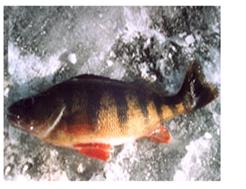
사진 7-1. 아이스 피싱에 잡힌 물고기.
생선 지방에 오메가-3 지방산이 많이 포함되어 있다.
Copyright ⓒ 2011 John Sangwon Lee, MD., FAAP
출처 및 참조 문헌
-
Pediatric Nutritional Handbook American Academy of Pediatrics
-
소아가정간호백과–부모도 반의사가 되어야 한다, 이상원 저
-
The pregnancy Bible. By Joan Stone, MD. Keith Eddleman, MD
-
Neonatology Jeffrey J.Pomerance, C. Joan Richardson
-
Preparation for Birth. Beverly Savage and Dianna Smith
-
임신에서 신생아 돌보기까지. 이상원
-
Breastfeeding, by Ruth Lawrence and Robert Lawrence
-
Nelson Textbook of Pediatrics, 14th ed. Beherman,
-
The Johns Hopkins Hospital, The Harriet Lane Handbook, 18th edition
-
Red book 29th edition 2012
-
Nelson Textbook of Pediatrics, 19th Edition
-
Infectious disease of children, Saul Krugman, Samuel L Katz, Ann A. Gershon, Catherine Wilfert
-
The Harriet Lane Handbook 19th Edition
-
소아과학 안효섭과 그 외 대한교과서
-
제4권 모유, 모유수유, 이유 참조문헌 및 출처
-
제5권 인공여양, 우유 이유 비티민 단백질, 지방 탄수 화물 참조문헌 및 출처
-
제6권 신생아 성장발육 양호 질병 참조문헌 및 출처
-
AAP News 6/2020
-
그 외
Copyright ⓒ 2020 John Sangwon Lee, MD, FAAP
미국 소아과 전문의, 한국 소아청소년과 전문의 이상원 저 “부모도 반의사가 되어야 한다” – 내용은 여러분들의 의사로부터 얻은 정보와 진료를 대신할 수 없습니다.
“The information contained in this publication should not be used as a substitute for the medical care and advice of your doctor. There may be variations in treatment that your doctor may recommend based on individual facts and circumstances. “Parental education is the best medicine.”
Copyright drleepediatrics.com 3/5/2026
Omega-3 fatty acids and fish food
Fish food. Omega-3 fatty acids and fish food
Some fish and fish foods are rich in protein, calcium, vitamin D, and omega-3 fatty acids. They also contain docosahexaenoic acid and eicosapentaenoic acid, which are essential for our health.
Omega-3 fatty acids are currently receiving significant attention from the medical community, including nutritionists and pediatricians.
This is because adequate intake of omega-3 fatty acids is said to reduce the incidence of type 1 diabetes by reducing autoimmune responses, particularly those induced by islet antigens in the pancreas.
To prevent type 1 diabetes, it is important to consume adequate amounts of omega-3 fatty acids from infancy through adulthood.
Adequate intake of omega-3 fatty acids lowers blood cholesterol levels, which is effective in treating hyperlipidemia. It also lowers blood pressure, which is effective in treating hypertension. Ultimately, it’s good for heart health.
Omega-3 fatty acids improve endothelial function in cases of hyperlipidemia.
In addition, adequate intake of omega-3 fatty acids can prevent and treat inflammatory bowel disease, promote nervous system and cognitive development, and prevent such disorders. It also helps prevent behavioral and mental health problems, regulates high blood pressure and blood lipid levels, and prevents and treats depression, attention deficit hyperactivity disorder, and allergies.
Consuming fish containing omega-3 fatty acids starting before nine months of age can also prevent asthma, eczema, and allergic rhinitis.
During pregnancy, if pregnant women consume less than 340g of fish per week, their children may have lower IQs and may experience social developmental delays, fine motor impairments, communication skills problems, and social developmental delays. Source: AAP News 6/2020. In addition to foods rich in antioxidants, foods rich in omega-3 fatty acids are beneficial for health. (The September 2003 Pediatric News, p5)
Omega-3 fatty acids are particularly abundant in the fats of cold-water fish such as tuna, sardines, mackerel, salmon, herring, rainbow trout, and soybeans, as well as in olive oil, walnuts, and soy milk. It is recommended that infant formula supplements also include omega-3 fatty acids.
The Hippocratic maxim, “Let food be medicine,” seems to apply here as well.
Photo 7-1. Fish caught ice fishing.
Fish fat is rich in omega-3 fatty acids. Copyright ⓒ 2011 John Sangwon Lee, MD., FAAP
Sources and References
Pediatric Nutritional Handbook, American Academy of Pediatrics
Encyclopedia of Pediatric Family Nursing – Parents Should Become Half-Doctors, by Sangwon Lee
The Pregnancy Bible, by Joan Stone, MD. Keith Eddleman, MD
Neonatology, by Jeffrey J. Pomerance, C. Joan Richardson
Preparation for Birth, by Beverly Savage and Dianna Smith
From Pregnancy to Newborn Care, by Sangwon Lee
Breastfeeding, by Ruth Lawrence and Robert Lawrence
Nelson Textbook of Pediatrics, 14th ed. Beherman,
The Johns Hopkins Hospital, The Harriet Lane Handbook, 18th edition
Red Book 29th edition 2012
Nelson Textbook of Pediatrics, 19th Edition
Infectious disease of children, Saul Krugman, Samuel L Katz, Ann A. Gershon, Catherine Wilfert
The Harriet Lane Handbook 19th Edition
Pediatrics by Ahn Hyo-seop and others
Volume 4 Breast milk, breastfeeding, and weaning References and sources
Volume 5 Artificial feeding, milk weaning Vitamins, proteins, fats, carbohydrates References and sources
Volume 6 Good growth and development of newborns Diseases References and sources
AAP News 6/2020
Others
Copyright ⓒ 2020 John Sangwon Lee, MD, FAAP
American pediatrician, Korean pediatrician Sangwon Lee “Parents should also become anti-doctors” – The content is for your reference. It is not a substitute for information and treatment obtained from a doctor.
“The information contained in this publication should not be used as a substitute for the medical care and advice of your doctor. There may be variations in treatment that your doctor may recommend based on individual facts and circumstances. “Parental education is the best medicine.”Copyright drleepediatrics.com 3/5/2026